
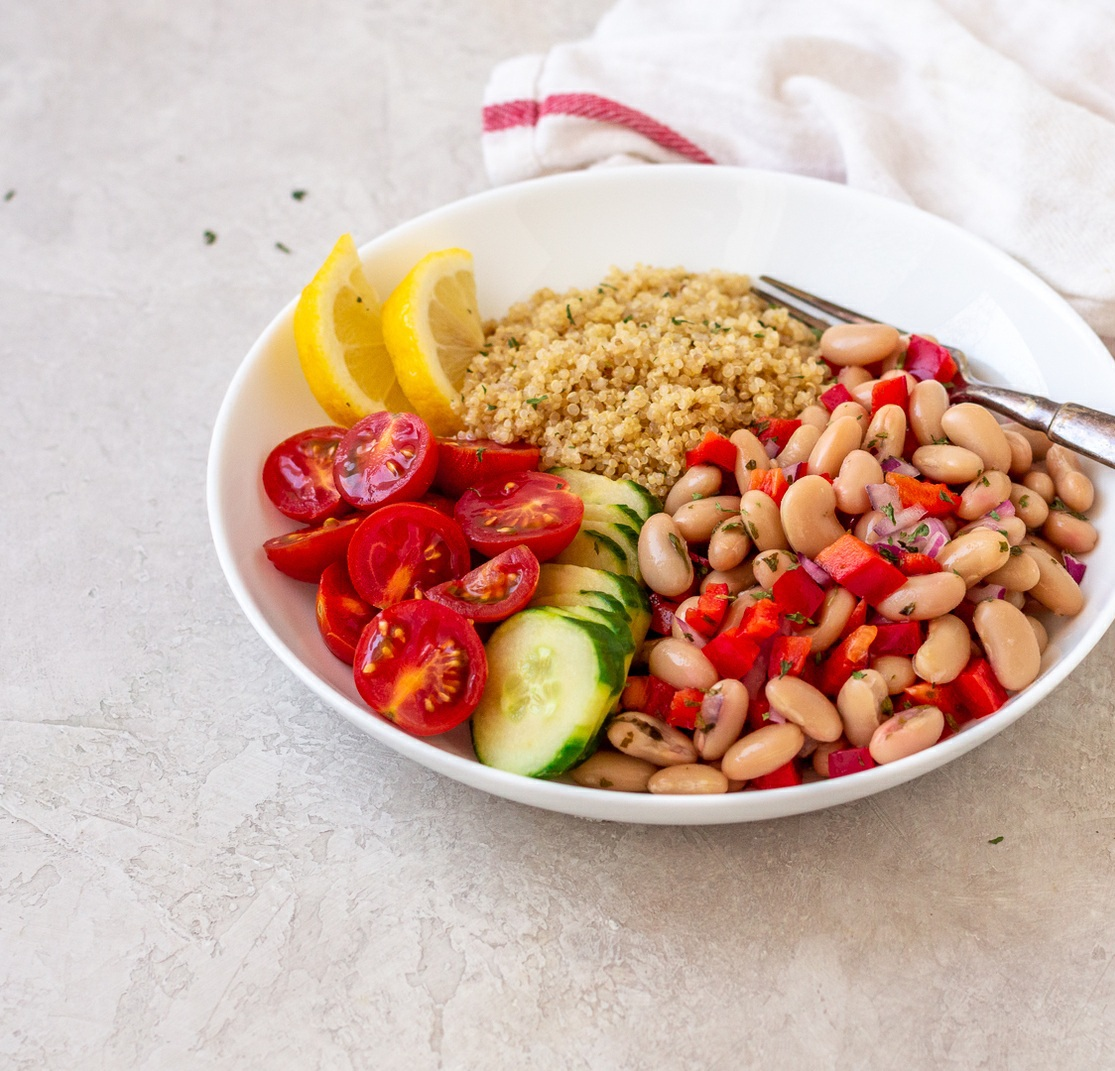
Mediterranean Diet (Plant-Based)
This heart-healthy plan is centered on whole, unprocessed foods like fruits, vegetables, legumes, whole grains, and nuts, while strictly excluding dairy, eggs, and added sugars to align with dairy-free, egg-free, sugar-free, and vegan or pescatarian requirements. By emphasizing plant-based fats from extra virgin olive oil and avocado over saturated animal fats, this approach directly supports genetic pathways related to lipid metabolism and heart health, such as those governed by the APOE and APOA5 genes. The abundance of antioxidant-rich produce aids genes like TNF that regulate inflammation, while the exclusion of processed foods helps manage sodium intake, a crucial factor for individuals with variants in the AGTR1 or ACE genes that increase salt sensitivity. Furthermore, because this plan relies heavily on plant sources for nutrition, it accounts for genes like BCMO1, which influences how efficiently your body converts plant-based beta-carotene into active Vitamin A.
The Mediterranean Diet (Plant-Based) is scientifically designed to support cardiovascular wellness and reduce inflammation through specific nutrient targets. It prioritizes monounsaturated fats to support healthy cholesterol levels and provides high fiber intake to improve digestion and glycemic control. The program also strictly limits sodium to under 1,700 mg daily to protect against hypertension and boosts antioxidant consumption to combat oxidative stress. Key evidence-backed recommendations include:
- Focus on Monounsaturated Fats: Consume healthy fats from olive oil, avocados, nuts, and seeds to support immune function and heart health while keeping saturated fat low.
- Limit Sodium Intake: Keep daily sodium under 1,700 mg to help prevent hypertension and reduce cardiovascular risk, especially important for salt-sensitive individuals.
- Increase Dietary Fiber: Aim for up to 50 grams of fiber daily from legumes, whole grains, and vegetables to support digestive health and lower cholesterol.
- Boost Antioxidants: Eat a variety of colorful vegetables and fortified foods to supply essential vitamins like A and E, which reduce oxidative stress and inflammation.
To get started with this plan, click the button below to access your PlexusDx meal planning tool. If you need to adjust a specific meal to better fit your preferences or ingredients on hand, you can easily find an alternative. Follow these steps to swap a meal:
- Locate the meal you want to change on your planner.
- Click the three dots in the corner of the meal card.
- Select "Swap recipe" from the menu.
- Choose "Swap" to change just that meal, or "Swap all" to replace that recipe for the entire week.
- Keep clicking "Swap" to cycle through alternatives that automatically match your specific plan rules, such as gluten-free, dairy-free, or egg-free options.
PlexusDx provides educational information about genetic predispositions only. This content is not medical advice. Always discuss genetic findings, test results, symptoms, and treatment decisions with your healthcare provider or an allergist to determine appropriate care for your situation.
Frequently Asked Questions About The Mediterranean Diet Plant-Based
What is the Mediterranean Diet (Plant-Based) and who is it designed for?
It’s a heart-healthy, plant-forward eating pattern centered on whole, unprocessed foods such as fruits, vegetables, legumes, whole grains, and nuts. It strictly excludes dairy, eggs, and added sugars, aligning with dairy-free, egg-free, sugar-free, and vegan or pescatarian preferences. It’s also designed to support cardiovascular wellness and reduce inflammation through targeted nutrient choices that may interact with pathways linked to genes involved in lipid metabolism and inflammation (including APOE, APOA5, and TNF).
How does this plant-based Mediterranean diet support heart health and inflammation?
It emphasizes plant-based monounsaturated fats from extra virgin olive oil, avocado, nuts, and seeds to support healthy cholesterol and immune function. It also increases dietary fiber (up to about 50 grams/day) to improve digestion and glycemic control, limits sodium to under 1,700 mg/day to help protect against hypertension, and boosts antioxidant intake from colorful produce to combat oxidative stress and inflammation.
Can meal swaps help me follow the plan while staying within dietary rules?
Yes. Using the PlexusDx meal planning tool, you can swap individual meals or swap all recipes for the week. The alternatives are designed to match your specific plan rules—such as gluten-free, dairy-free, or egg-free—so you can adjust meals based on what you have on hand or your preferences while still staying aligned with the program’s requirements.
What tests can help me learn more about Mediterranean Diet Plant-Based?
The Functional Health Genetic Test delivers over 750 personalized genetic insights across 10 in-depth genetic reports to support whole-body, systems-level health understanding. The Diet and Nutrition Genetic Report translates your results into personalized, actionable guidance. Your healthcare provider can also recommend targeted blood tests based on your specific pathway results and health history to complement your genetic insights with current biomarker data.
Medical and Editorial Standards
Sources and evidence: PlexusDx educational content is developed using peer-reviewed research, clinical literature, and reputable medical references.
Important disclaimer: This content is for informational purposes only and is not a substitute for professional medical advice, diagnosis, or treatment. Always consult a qualified healthcare provider before making decisions about your diet, supplements, or health-related care.

Share:
Mediterranean Diet
Men's Health | Hormone Balancing Diet