Frequently Asked Questions

What blood biomarkers measure the body's stress response?

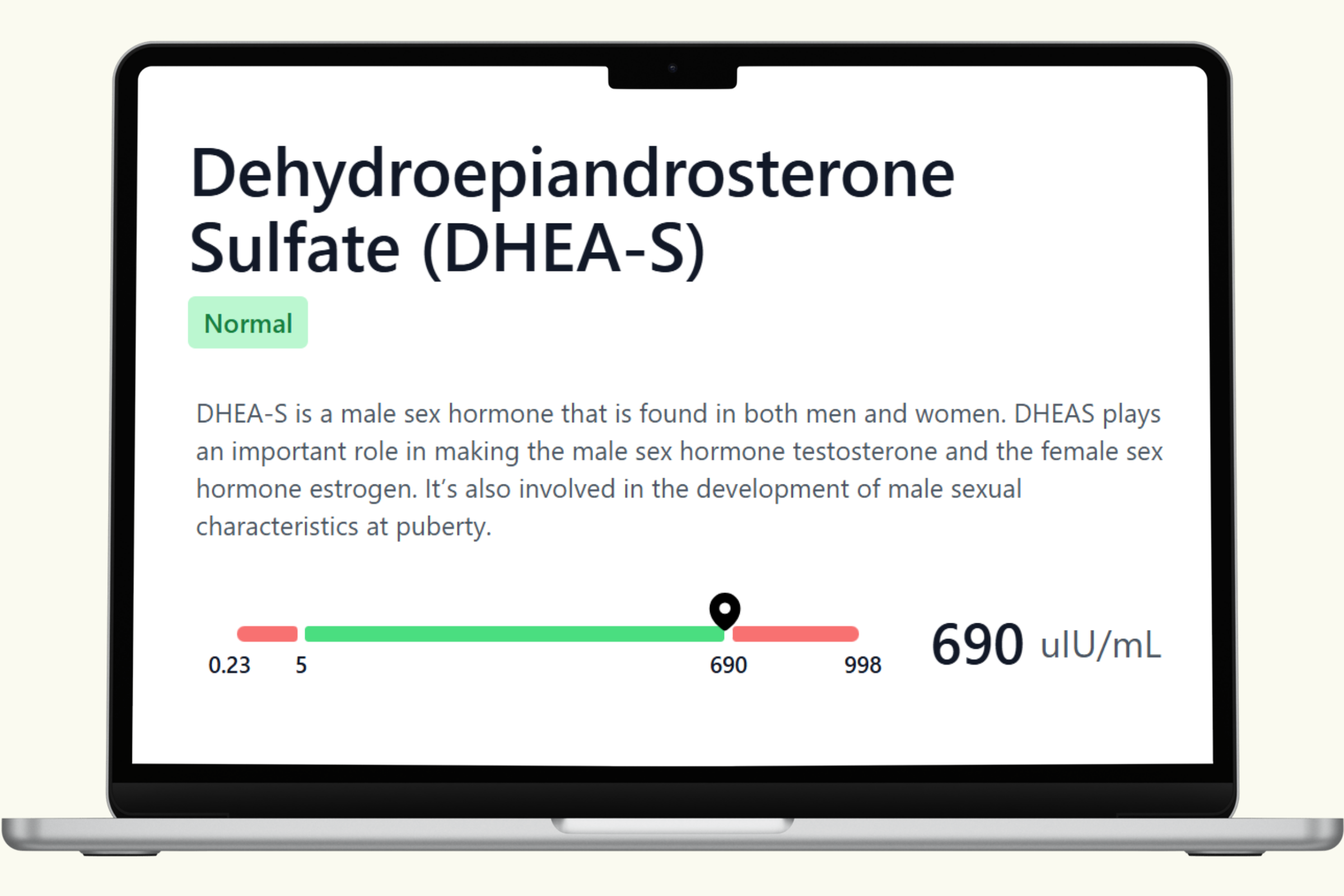
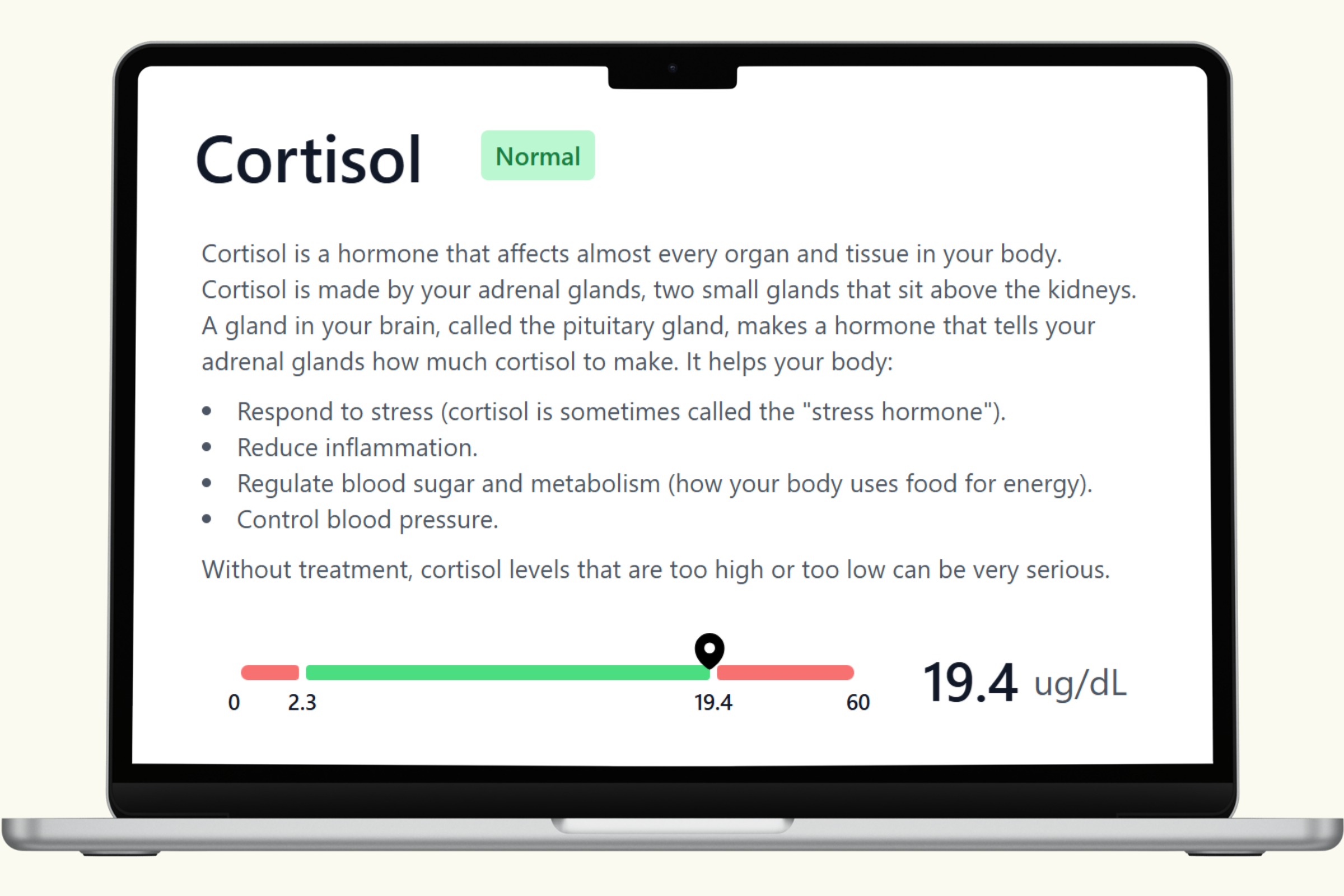
Cortisol is the primary stress hormone — secreted by the adrenal glands in response to stress, following a diurnal rhythm peaking in the morning. DHEA-S is the adrenal androgen that counterbalances cortisol effects. The cortisol-to-DHEA ratio reflects HPA axis balance — an elevated ratio indicates stress-dominant adrenal output. Fasting insulin and glucose assess metabolic stress response. Together these markers reveal how chronically activated your stress physiology currently is.

What is the HPA axis and why does it matter for stress testing?

The HPA (hypothalamic-pituitary-adrenal) axis governs the biological stress response. The hypothalamus signals the pituitary, which releases ACTH, stimulating the adrenals to produce cortisol. Chronic activation alters cortisol patterns, suppresses immune function, disrupts sleep, and impairs metabolic regulation. Blood cortisol alongside DHEA-S provides a snapshot of where the HPA axis currently sits in its stress-recovery cycle, objectively reflecting chronic stress load.

What does elevated morning cortisol indicate?

Morning cortisol naturally peaks within 30–45 minutes of waking — the cortisol awakening response — providing energy and alertness. Persistently elevated morning cortisol suggests chronic HPA axis activation driven by psychological stress, poor sleep, blood sugar dysregulation, or systemic inflammation. Sustained high cortisol promotes visceral fat accumulation, impairs immune function, disrupts thyroid conversion, and elevates cardiovascular risk when maintained over months.

What does low cortisol indicate and is adrenal fatigue a real diagnosis?

Low cortisol — particularly a blunted morning peak — indicates HPA axis hypoactivation, often following prolonged high stress. This pattern is associated with fatigue, difficulty waking, low blood pressure, salt cravings, and poor stress tolerance. "Adrenal fatigue" is not a recognized medical diagnosis, but HPA axis dysregulation is well-documented in research. Blood cortisol testing provides objective data on adrenal output rather than relying on symptoms alone.

How does DHEA-S complement cortisol in stress hormone testing?

DHEA-S is the primary adrenal androgen and a cortisol counterbalance — supporting immune function, energy, cognitive performance, and tissue repair. Chronic stress depletes DHEA-S as adrenal glands prioritize cortisol production. A high cortisol-to-DHEA-S ratio — even when individual values appear normal — indicates stress-dominant adrenal output associated with accelerated aging and reduced resilience. DHEA-S declines naturally with age, making this ratio increasingly relevant after 40.