Frequently Asked Questions

What biomarkers are included in a men's hormone blood test?

A comprehensive men's hormone panel measures total testosterone, free testosterone, SHBG, estradiol, LH, FSH, DHEA-S, and prolactin. Together these markers reveal testicular and adrenal hormone production, pituitary signaling, and how much testosterone is biologically available versus protein-bound. This panel identifies hormonal root causes of fatigue, low libido, body composition changes, and mood disruption that a single testosterone measurement routinely misses.

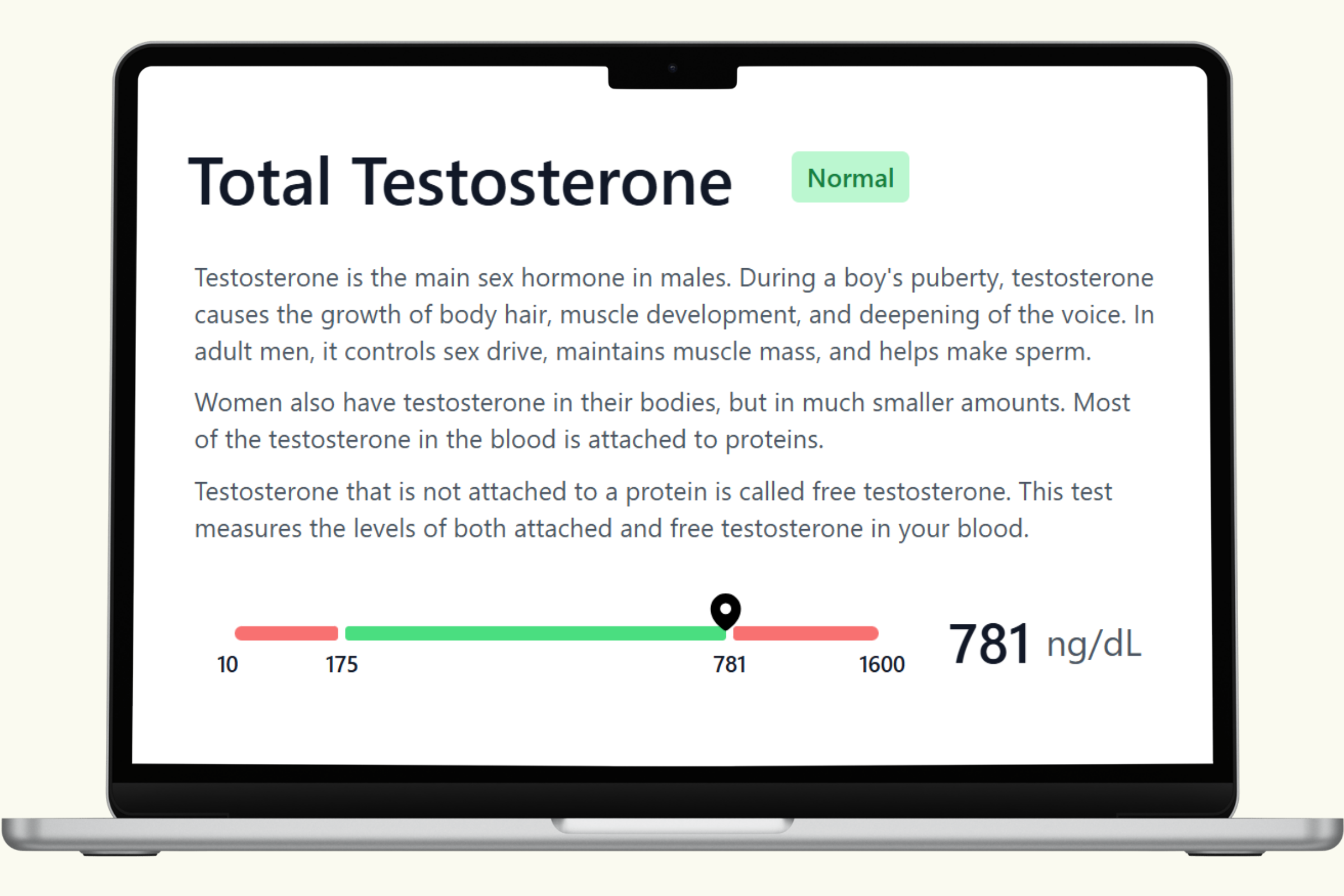
What is a healthy testosterone range and how is it interpreted?

Standard laboratory ranges for total testosterone typically span 300–1000 ng/dL, but optimal functional levels for energy, muscle mass, and cognitive performance tend toward the upper half. Reference ranges are population averages — not optimal targets. A man at 310 ng/dL is technically "in range" but may experience significant symptoms. Free testosterone and SHBG are essential context for accurately interpreting any total testosterone result.

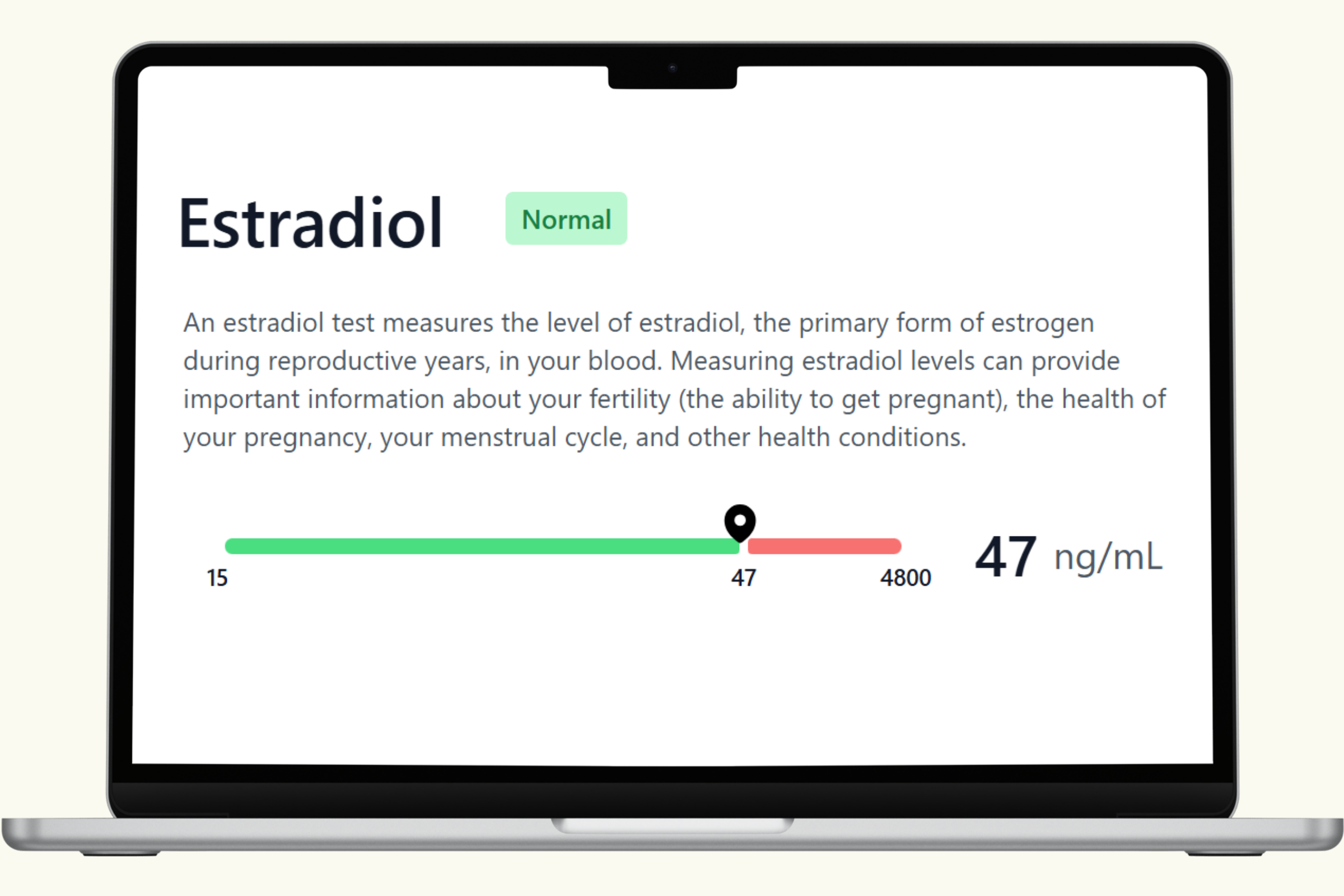
Why does estradiol matter in men's hormone testing?

Men produce estradiol through testosterone aromatization — essential in appropriate amounts for bone density, cardiovascular health, libido, and cognitive function. Elevated estradiol relative to testosterone contributes to fatigue, reduced libido, mood changes, and water retention. Low estradiol is associated with bone loss and joint pain. The testosterone-to-estradiol ratio is often more clinically informative than either value interpreted alone.

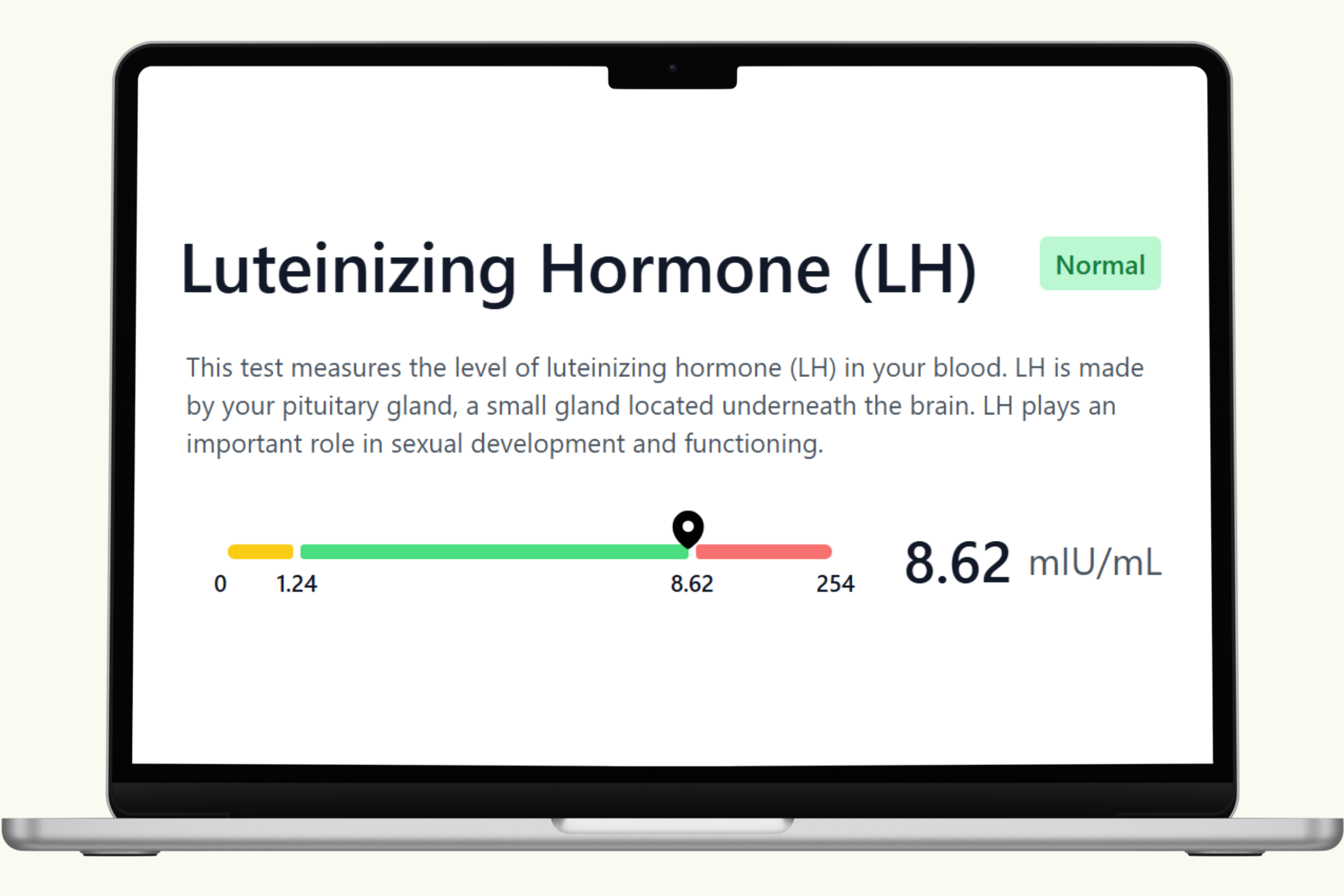
What do LH and FSH reveal in men's hormone testing?

LH stimulates Leydig cells in the testes to produce testosterone; FSH stimulates sperm production. Measuring these alongside testosterone clarifies where dysfunction originates. Low testosterone with low LH indicates secondary hypogonadism — a pituitary or hypothalamic problem. Low testosterone with high LH indicates primary hypogonadism — testicular dysfunction. This distinction determines appropriate clinical pathways and whether the root cause is upstream or testicular.

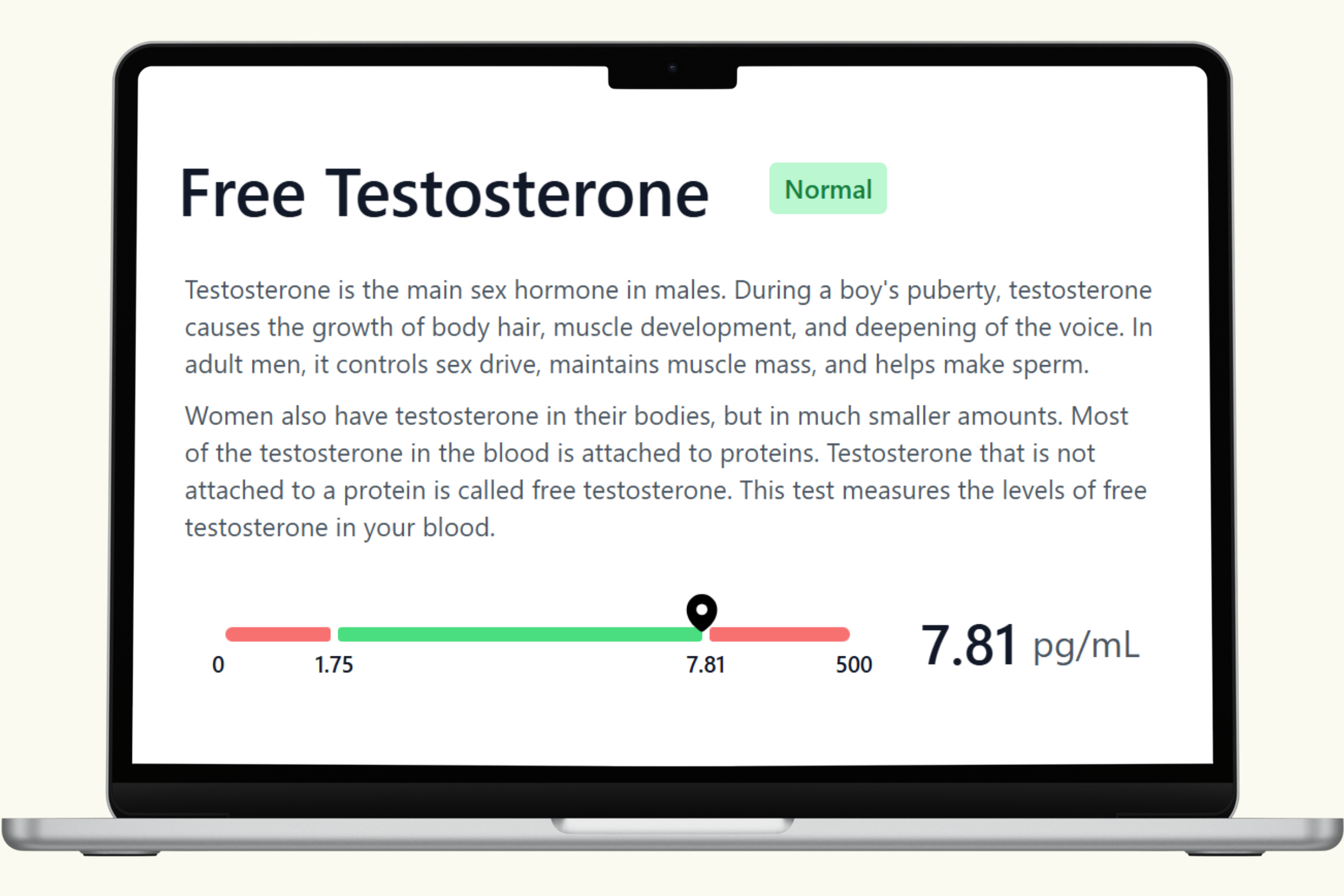
How does SHBG affect testosterone availability in men?

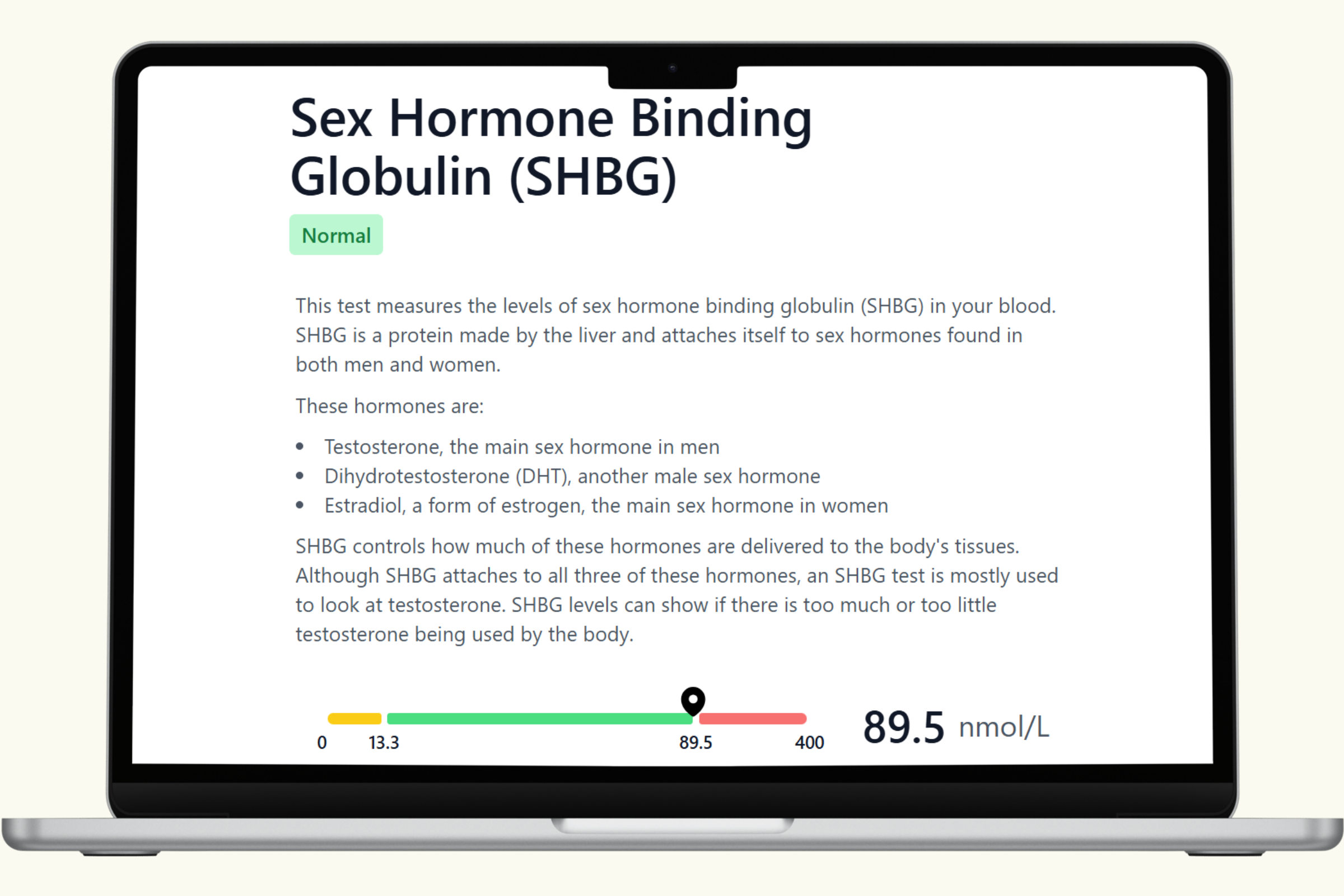
SHBG tightly binds testosterone in the bloodstream, rendering it biologically inactive. Only free testosterone (2–3% of total) and loosely albumin-bound testosterone reach tissue receptors. High SHBG — elevated by aging, high estrogen, thyroid dysfunction, and liver disease — reduces free testosterone even when total is normal. Monitoring SHBG alongside total testosterone is essential for accurately assessing androgen status and explaining symptoms in men with "normal" total testosterone.