Frequently Asked Questions

What blood biomarkers assess diabetes and cardiovascular risk together?

Diabetes and cardiovascular risk share overlapping biomarkers because insulin resistance drives both conditions. HbA1c measures 3-month average blood glucose. Fasting glucose and insulin assess real-time metabolic status. A full lipid panel evaluates arterial risk. hsCRP measures systemic inflammation — an independent cardiovascular risk factor. Monitoring these together reveals cardiometabolic risk far more completely than any single marker in isolation.

What is HbA1c and why is it preferred over fasting glucose alone?

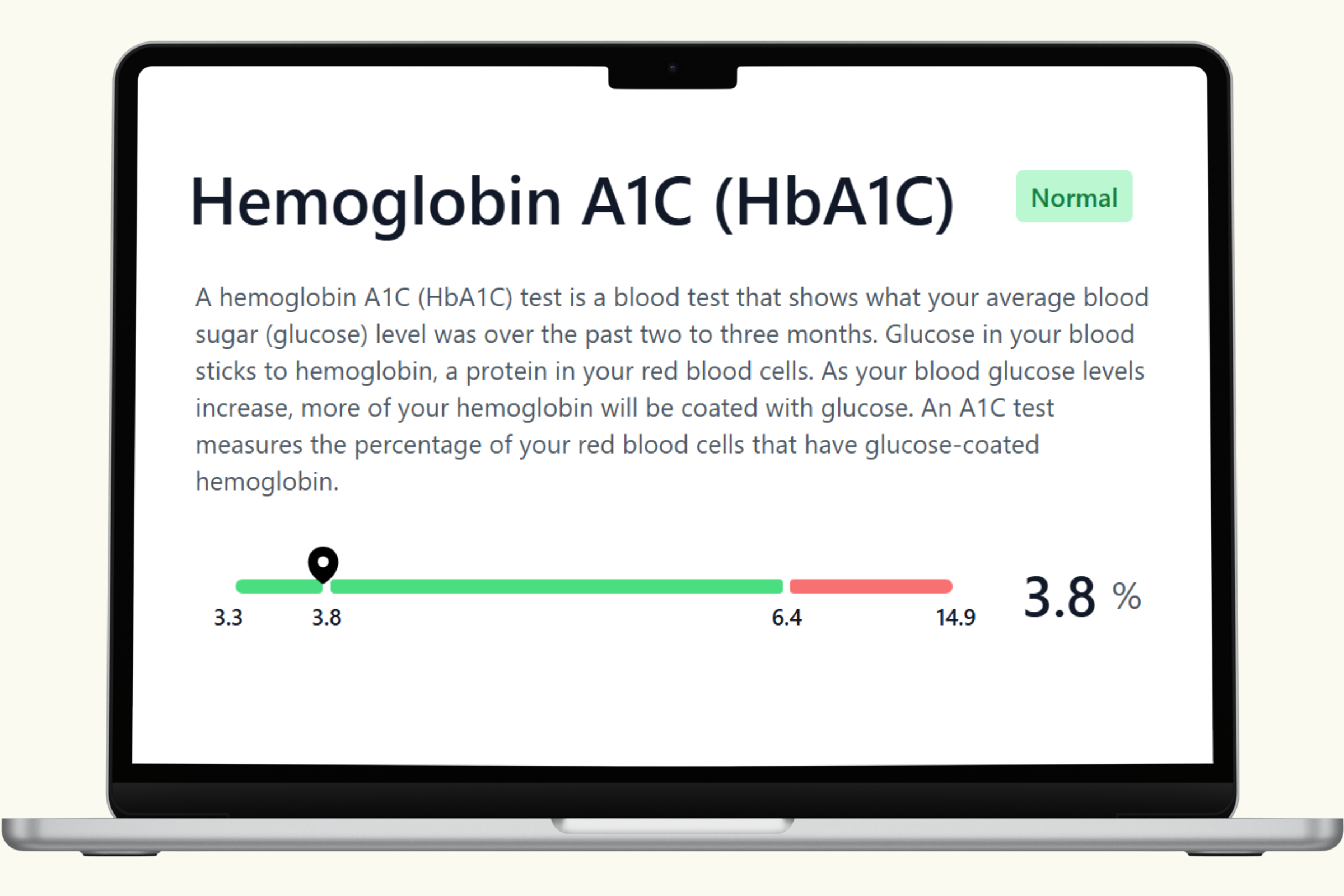
HbA1c reflects average blood glucose over the preceding 2–3 months by measuring how much glucose has attached to hemoglobin. Unlike fasting glucose — which captures a single moment and is affected by recent meals and stress — HbA1c provides a stable longitudinal picture of blood sugar control. It identifies pre-diabetes and diabetes trends that a single fasting glucose test may miss, making it the preferred screening marker for metabolic monitoring.

What is the difference between LDL, HDL, and triglycerides in a lipid panel?

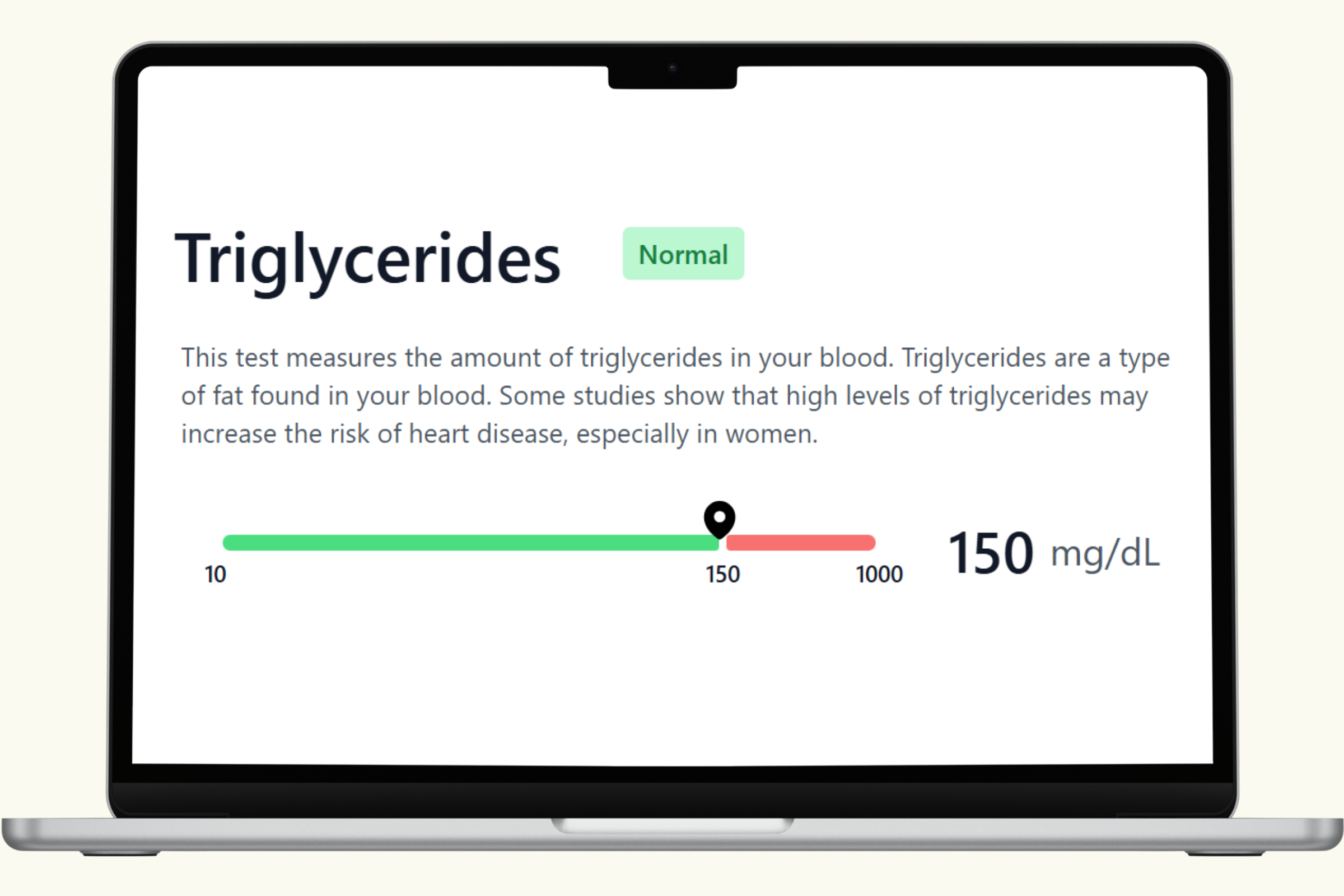
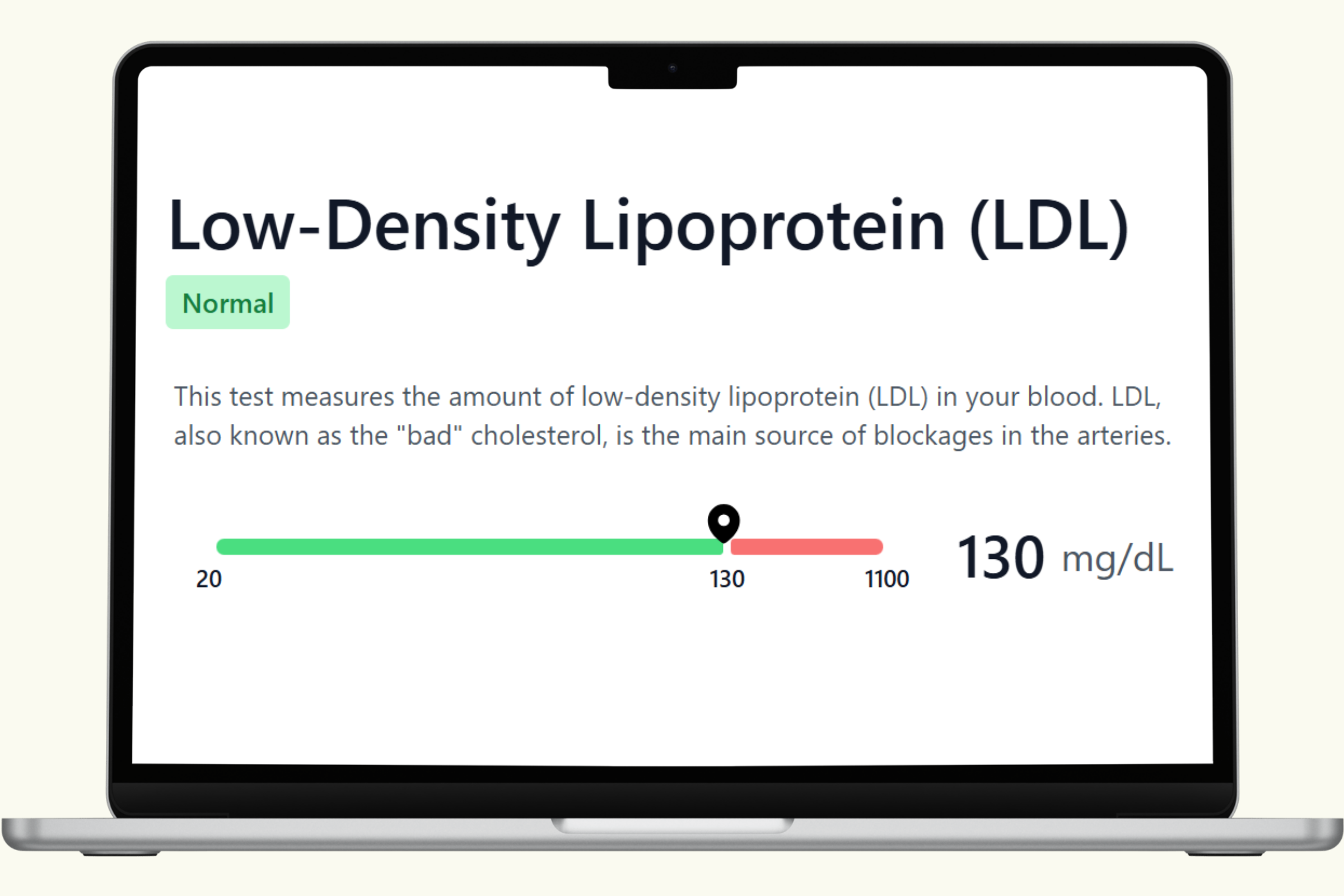
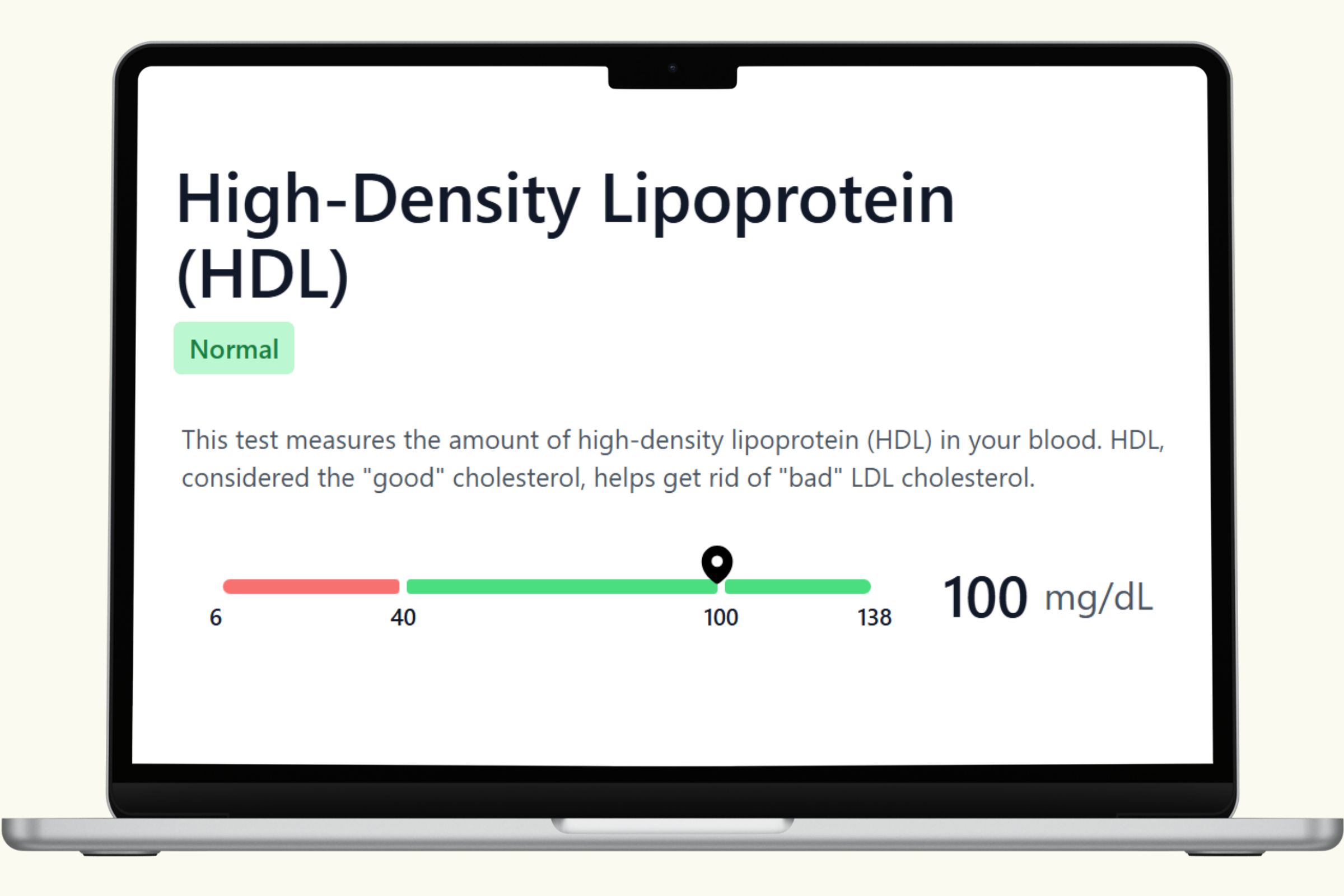
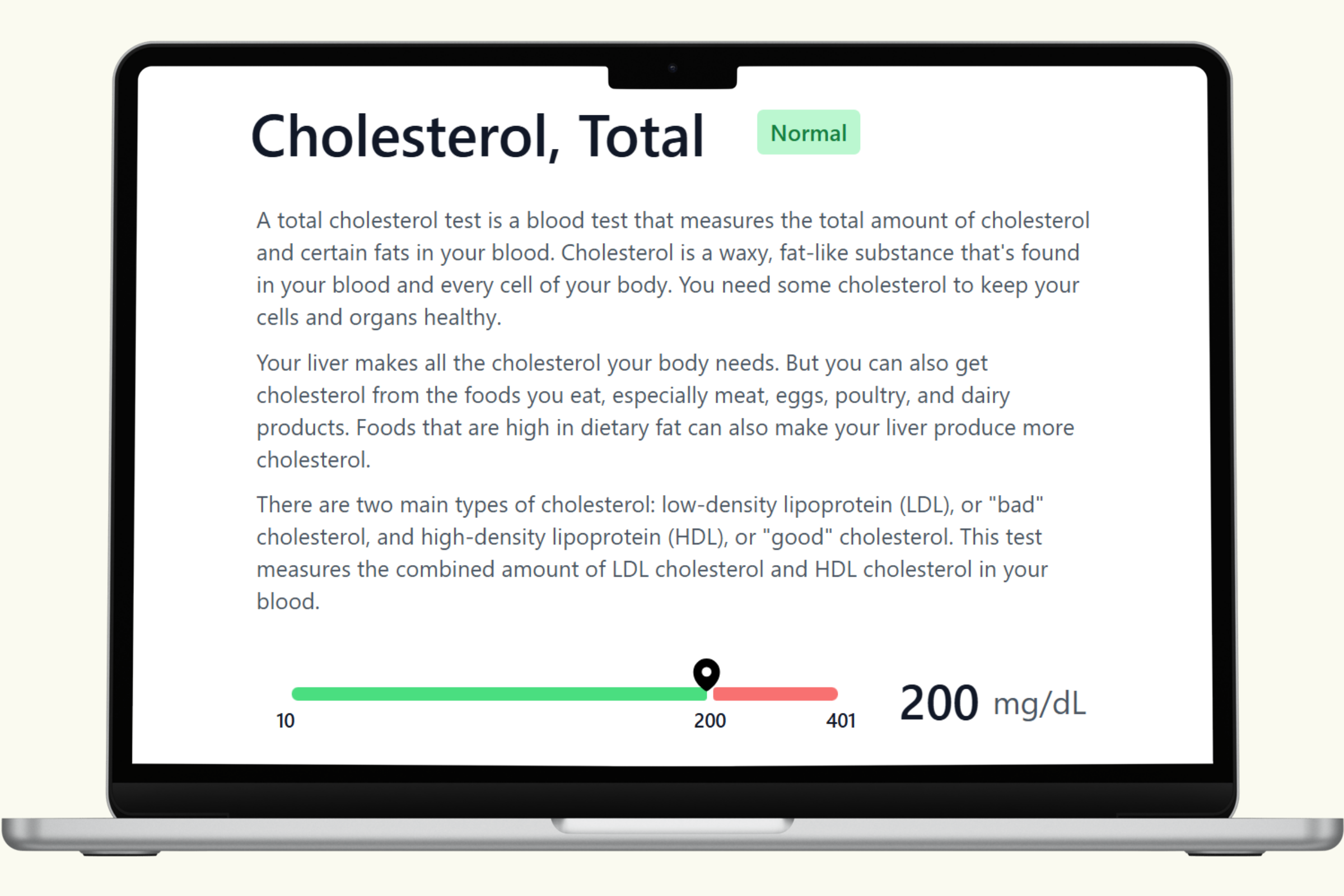
LDL transports cholesterol to tissues — elevated LDL is associated with increased arterial plaque formation. HDL transports cholesterol away from arteries to the liver for clearance — higher HDL is protective. Triglycerides are circulating fat molecules elevated by excess carbohydrates, alcohol, and insulin resistance. Together these four values reveal different aspects of cardiovascular risk that total cholesterol alone fails to differentiate.

What is hsCRP and why does it matter for heart health?

hsCRP measures systemic inflammation — a primary driver of arterial damage that operates independently of cholesterol levels. Elevated hsCRP predicts cardiovascular events even in people with normal LDL, making it a standard component of comprehensive cardiometabolic assessment. hsCRP is elevated by obesity, poor sleep, chronic stress, and poor diet — all modifiable through lifestyle intervention before arterial damage progresses to clinical disease.

What blood sugar level indicates pre-diabetes versus type 2 diabetes?

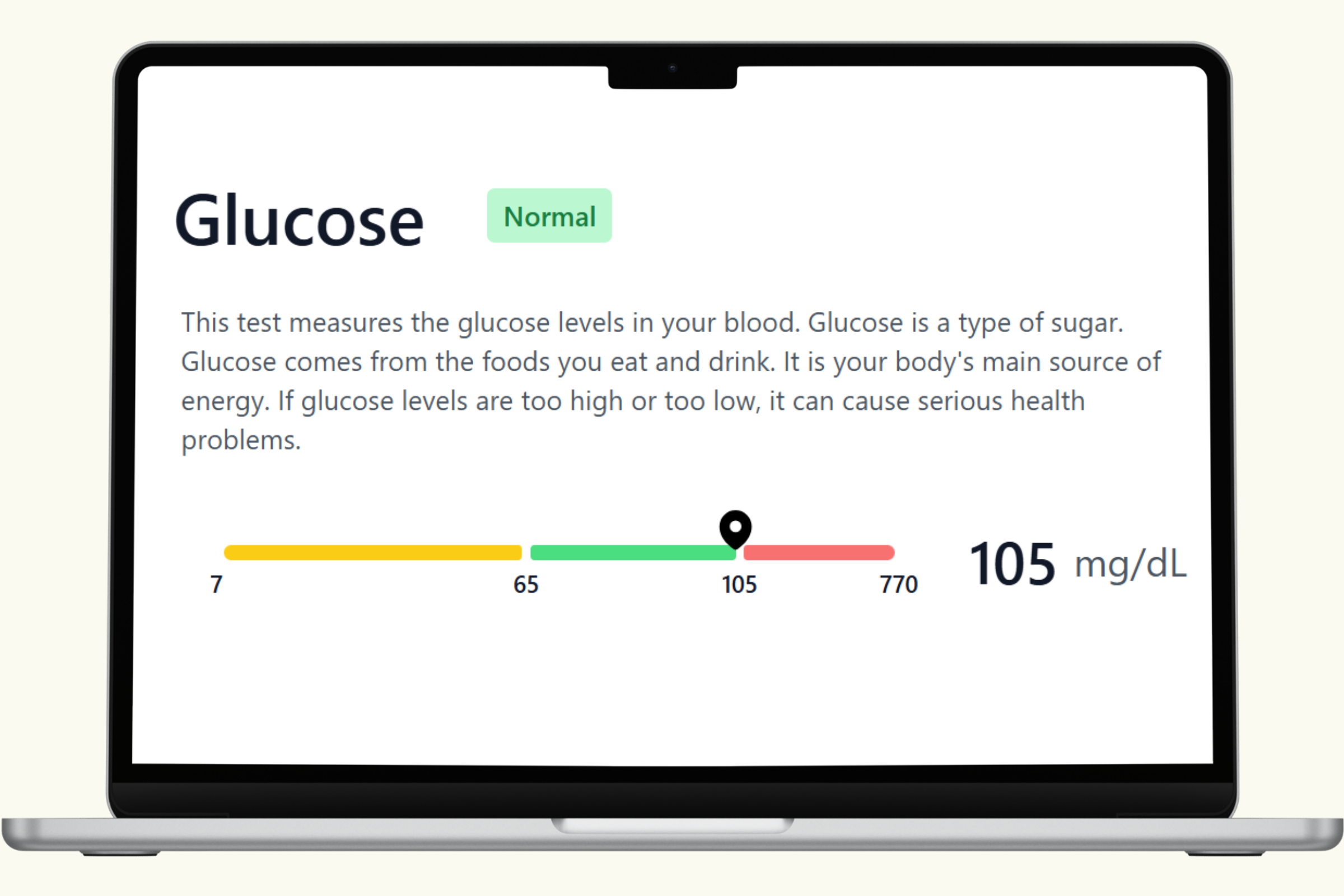
Using HbA1c: below 5.7% is normal, 5.7–6.4% indicates pre-diabetes, and 6.5% or above indicates type 2 diabetes on two separate tests. Using fasting glucose: below 100 mg/dL is normal, 100–125 mg/dL indicates pre-diabetes, and 126 mg/dL or above indicates diabetes. Pre-diabetes is highly reversible through dietary changes, exercise, and weight management — making early detection through regular testing genuinely actionable.