Last updated: May 12, 2026
Written by:
Jay Hastings
,
CEO of PlexusDx
Jay Hastings is the CEO of PlexusDx, a precision health company focused on genetic testing, blood biomarker insights, and personalized wellness recommendations. He has more than 20 years of experience across healthcare innovation, genomics, laboratory operations, healthcare investing, and strategic finance. His work has included scaling healthcare startups, leading CLIA lab integrations, and helping expand consumer access to precision health tools.
HDL Cholesterol Blood Test
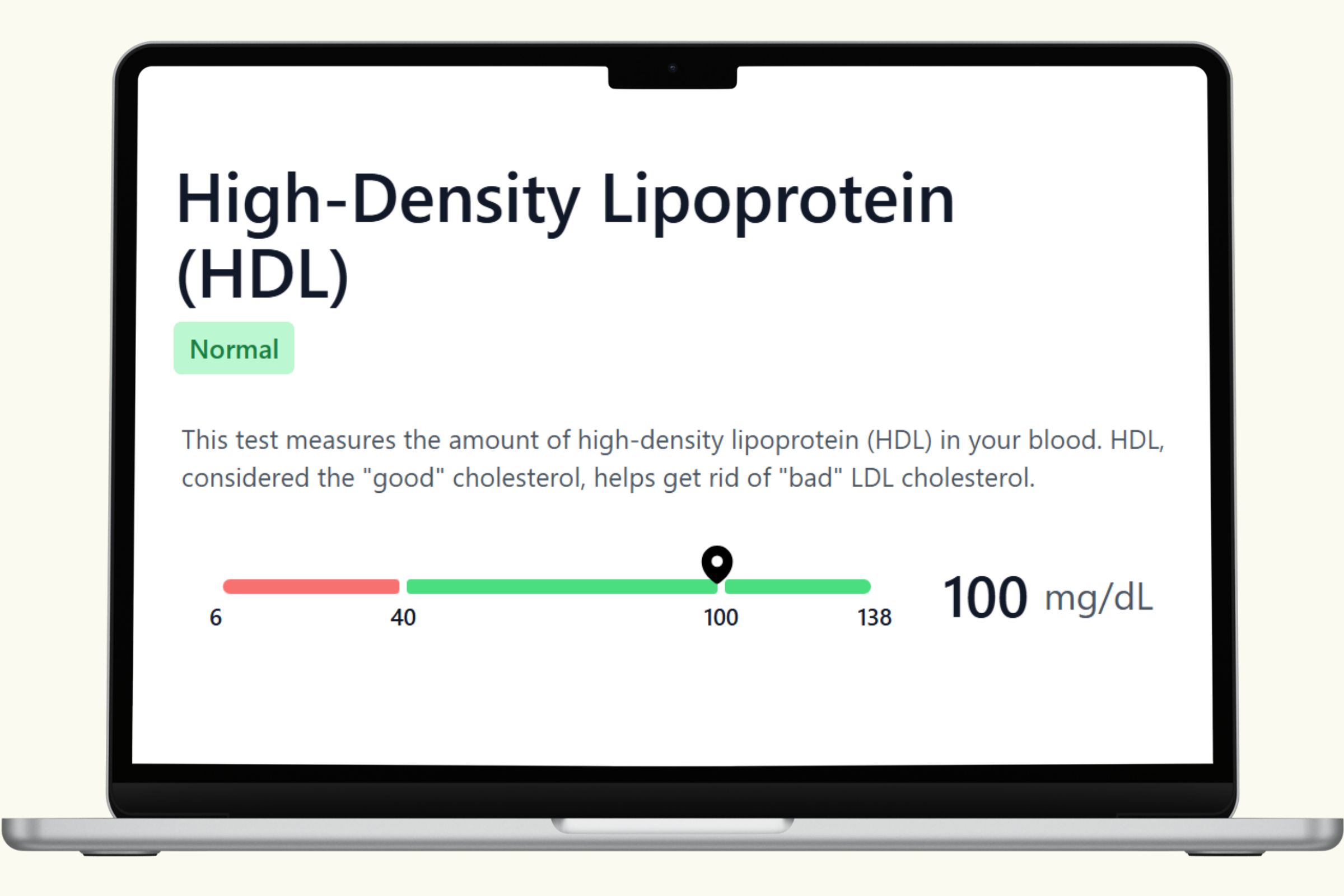
The HDL Cholesterol Test measures high-density lipoprotein (HDL), often called the “good cholesterol.” Unlike LDL and VLDL, which deliver cholesterol to tissues and may contribute to artery plaque buildup, HDL works in the opposite direction—transporting excess cholesterol away from the arteries and back to the liver for processing and removal. Because of this protective role, higher HDL levels are associated with lower risk of cardiovascular disease, while lower HDL levels increase the likelihood of heart attack, stroke, and other complications.
The PlexusDx Diabetes & Heart Health Blood Test includes HDL cholesterol measurement to help provide a complete picture of your cardiovascular health. With at-home dried blood spot (DBS) collection using an ADX card, you can easily and accurately assess your HDL levels without needing to visit a lab.
What the HDL Cholesterol Test Measures
HDL cholesterol represents the fraction of cholesterol in your blood that is protective. Unlike total cholesterol or LDL cholesterol, which may signal risk, HDL acts like a clean-up crew for your arteries, helping to prevent the buildup of atherosclerotic plaque. Measuring HDL levels provides valuable insight into how well your body is balancing cholesterol transport and protection.
Why HDL Matters
Higher HDL cholesterol is generally considered protective for heart and vascular health. Low HDL, on the other hand, is linked to greater cardiovascular risk even when LDL levels are not dramatically elevated. This makes HDL a critical marker for identifying hidden risks and guiding prevention strategies.
Low HDL is commonly associated with:
- Obesity and insulin resistance
- Type 2 diabetes and metabolic syndrome
- Smoking
- Physical inactivity
- High-carbohydrate, low-quality diets
Raising HDL through lifestyle or treatment has been shown to significantly reduce the risk of heart attack and stroke.
Reference and Functional Ranges
Commonly accepted HDL cholesterol ranges include:
-
Protective (Low Risk): 60 mg/dL or higher
-
Borderline: 40–59 mg/dL (men), 50–59 mg/dL (women)
-
High Risk: Below 40 mg/dL in men, below 50 mg/dL in women
In functional and preventive medicine, higher HDL levels are often encouraged to offset elevated LDL or triglycerides and to promote overall cardiovascular resilience.
How the Test is Collected
The PlexusDx Diabetes & Heart Health Blood Test uses an at-home dried blood spot (DBS) collection method with an ADX card. With just a finger prick, you place a few drops of blood on the card, which is mailed to the lab for analysis. This method is:
- Convenient and non-invasive
- Clinically validated and accurate
- Ideal for repeat monitoring over time
- Shipped directly to your home for ease of use
Factors That Influence HDL Cholesterol
Many factors affect HDL levels, including lifestyle, genetics, and medical conditions:
-
Exercise: Regular physical activity is one of the most effective ways to raise HDL.
-
Smoking: Smoking lowers HDL, and quitting often improves levels quickly.
-
Weight: Excess weight and abdominal fat are linked with lower HDL, while weight loss raises it.
-
Diet: Healthy fats from olive oil, nuts, seeds, and fatty fish can raise HDL, while trans fats and refined carbs lower it.
-
Alcohol: Moderate alcohol may increase HDL, but excessive intake is harmful and raises triglycerides.
-
Medical conditions: Diabetes, hypothyroidism, and liver disease often lower HDL.
-
Genetics: Some people naturally have lower or higher HDL regardless of lifestyle.
How to Raise HDL Cholesterol
There are several proven strategies to increase HDL and improve heart health:
-
Exercise regularly: Aim for at least 150 minutes of moderate-intensity aerobic exercise per week.
-
Quit smoking: Improves HDL levels and reduces cardiovascular risk overall.
-
Maintain a healthy weight: Even modest weight loss boosts HDL.
-
Eat healthy fats: Incorporate monounsaturated and polyunsaturated fats from foods like avocados, nuts, and salmon.
-
Limit refined carbs and sugars: High sugar intake lowers HDL.
-
Medications: While medications such as niacin may raise HDL, they are typically used only when lifestyle changes and other treatments aren’t enough.
Why Pair HDL with Other Biomarkers?
While HDL cholesterol provides valuable information, it is most effective when assessed alongside other lipid and glucose markers. The PlexusDx Diabetes & Heart Health Blood Test also measures LDL, VLDL, triglycerides, cholesterol ratios, fasting glucose, and hemoglobin A1C. Together, these biomarkers give a complete picture of your cardiovascular and metabolic health.
Take Charge of Your Heart Health
The HDL Cholesterol Test is an essential measure of cardiovascular resilience. Higher HDL levels help protect your arteries and balance cholesterol transport in the body. With PlexusDx’s at-home testing solution, you can easily monitor your HDL levels, track progress over time, and take proactive steps to improve your heart health. By combining lifestyle improvements with personalized insights from your test results, you can significantly lower your risk of heart disease and support long-term wellness.
Frequently Asked Questions About HDL Blood Test
What does an HDL cholesterol blood test measure?
An HDL cholesterol test measures high-density lipoprotein (HDL), often called “good cholesterol.” HDL helps transport excess cholesterol away from arteries and back to the liver for processing and removal, which is why higher HDL levels are generally associated with better cardiovascular protection.
Why are low HDL levels linked to higher heart disease risk?
Low HDL can mean your body is less effective at removing cholesterol from the arteries. Low HDL is commonly associated with obesity and insulin resistance, type 2 diabetes and metabolic syndrome, smoking, physical inactivity, and high-carbohydrate, low-quality diets—and improving HDL has been shown to reduce risk of heart attack and stroke.
How do I collect an HDL cholesterol test sample at home?
Using the PlexusDx Diabetes & Heart Health Blood Test, you collect a sample with an at-home dried blood spot (DBS) method using an ADX card. After a finger prick, you apply a few drops of blood to the card, then mail it to the lab for analysis—making it convenient and useful for repeat monitoring over time.
What tests can help me learn more about HDL Blood Test?
The Functional Health Genetic Test delivers over 750 personalized genetic insights across 10 in-depth genetic reports to support whole-body, systems-level health understanding. The Diabetes and Heart Health Test translates your results into personalized, actionable guidance. Your healthcare provider can also recommend targeted blood tests based on your specific pathway results and health history to complement your genetic insights with current biomarker data.
Medical and Editorial Standards
Sources and evidence: PlexusDx educational content is developed using peer-reviewed research, clinical literature, reputable medical references, and, where applicable, public health or regulatory guidance. References are included at the end of the article when scientific, medical, or health-related claims are discussed.
Commercial transparency: PlexusDx offers genetic testing, blood biomarker testing, personalized supplement recommendations, and related precision wellness services. Product mentions are intended to help readers understand available options and should not be interpreted as medical advice.
Important disclaimer: PlexusDx educational content is for informational purposes only and should not be used as a substitute for professional medical advice, diagnosis, or treatment. Always consult a qualified healthcare provider before making decisions about medications, supplements, genetic testing, lab testing, or health-related care.


Share:
Cholesterol Blood Test
LDL Blood Test