Frequently Asked Questions

What are the key hormone biomarkers in a women's hormone blood test?

A comprehensive women's hormone panel measures estradiol, progesterone, FSH, LH, DHEA-S, testosterone, SHBG, and often prolactin. Together these markers reveal ovarian function, menstrual cycle regularity, adrenal health, and hormone balance patterns. Testing timing matters — results vary significantly by cycle phase, particularly for estradiol and progesterone, making the day of testing as important as the test itself for accurate interpretation.

What does estradiol measure and why is it important?

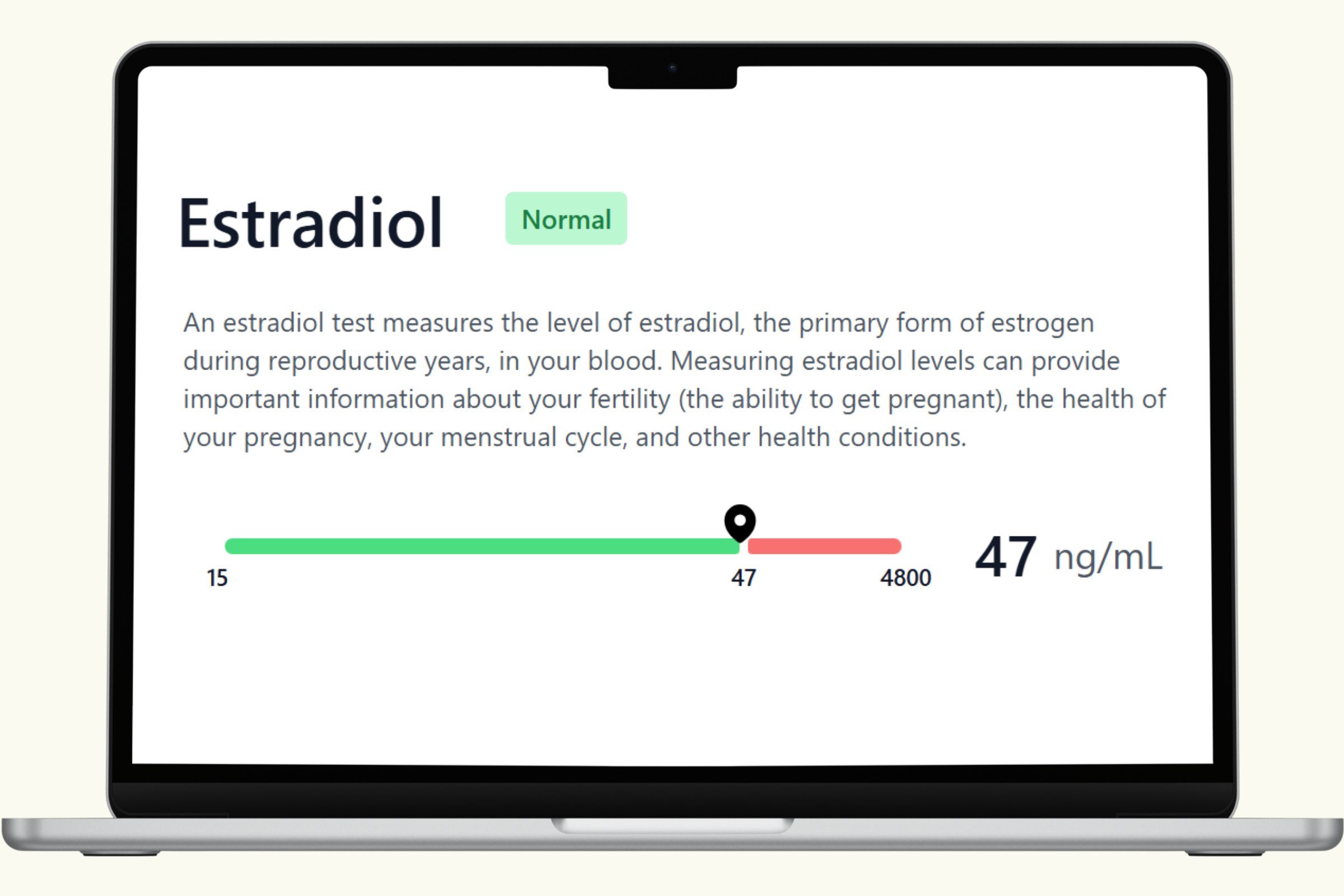
Estradiol is the most biologically potent estrogen, produced primarily by the ovaries. It governs the menstrual cycle, bone density, cardiovascular protection, skin collagen production, and cognitive function. Low estradiol drives perimenopausal symptoms — hot flashes, sleep disruption, vaginal dryness, and bone loss. Monitoring estradiol trends over time provides early insight into hormonal transitions before symptoms become clinically significant.

What is the role of progesterone and what does a low result mean?

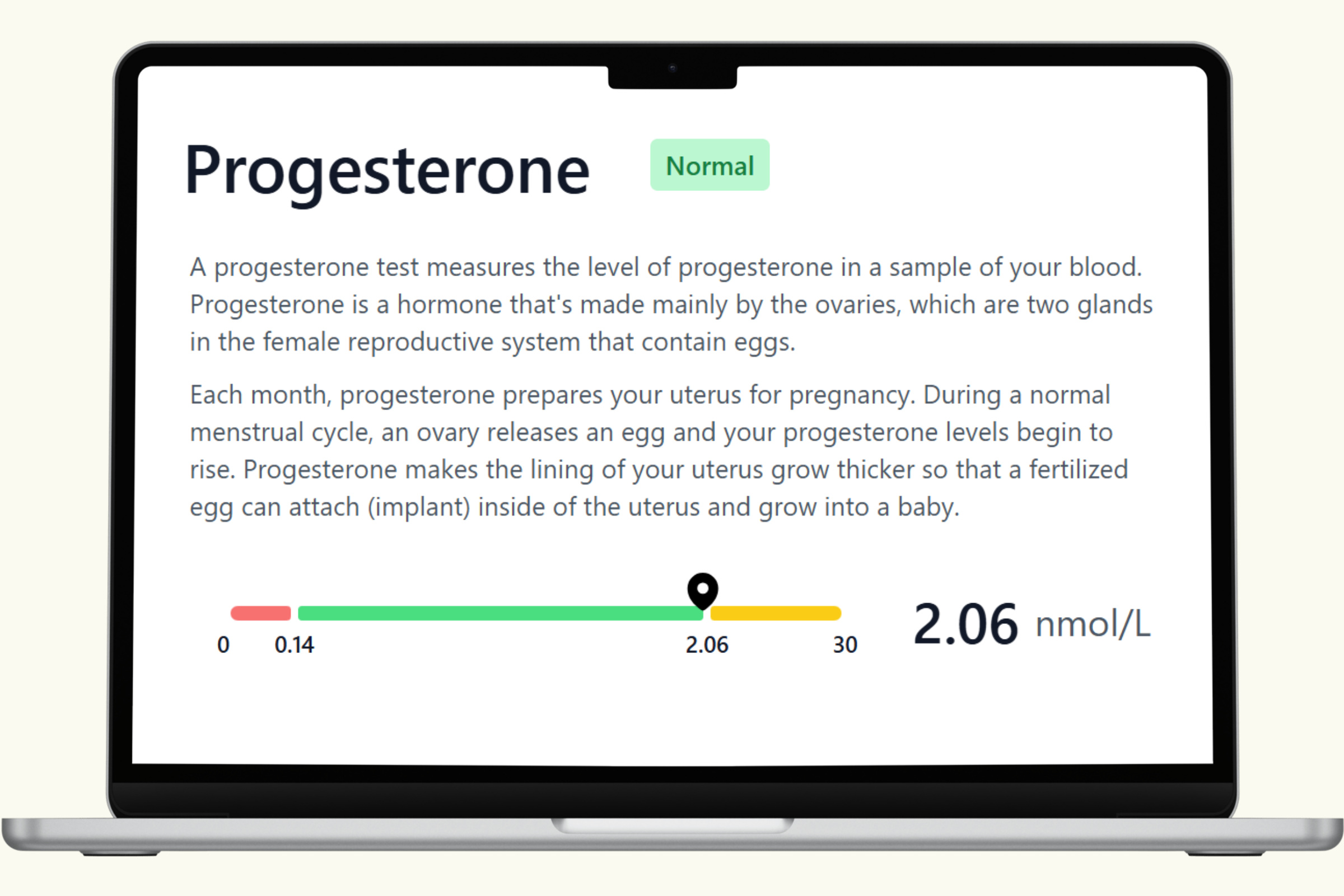
Progesterone is produced after ovulation and supports uterine lining maintenance, sleep quality, and nervous system calming. Low progesterone — common in perimenopause, PCOS, and luteal phase defects — contributes to irregular cycles, heavy bleeding, anxiety, poor sleep, and fertility challenges. Progesterone is measured in the mid-luteal phase (approximately day 21) to accurately reflect post-ovulatory levels; testing at other times produces misleadingly low results.

How do FSH and LH levels reflect ovarian health?

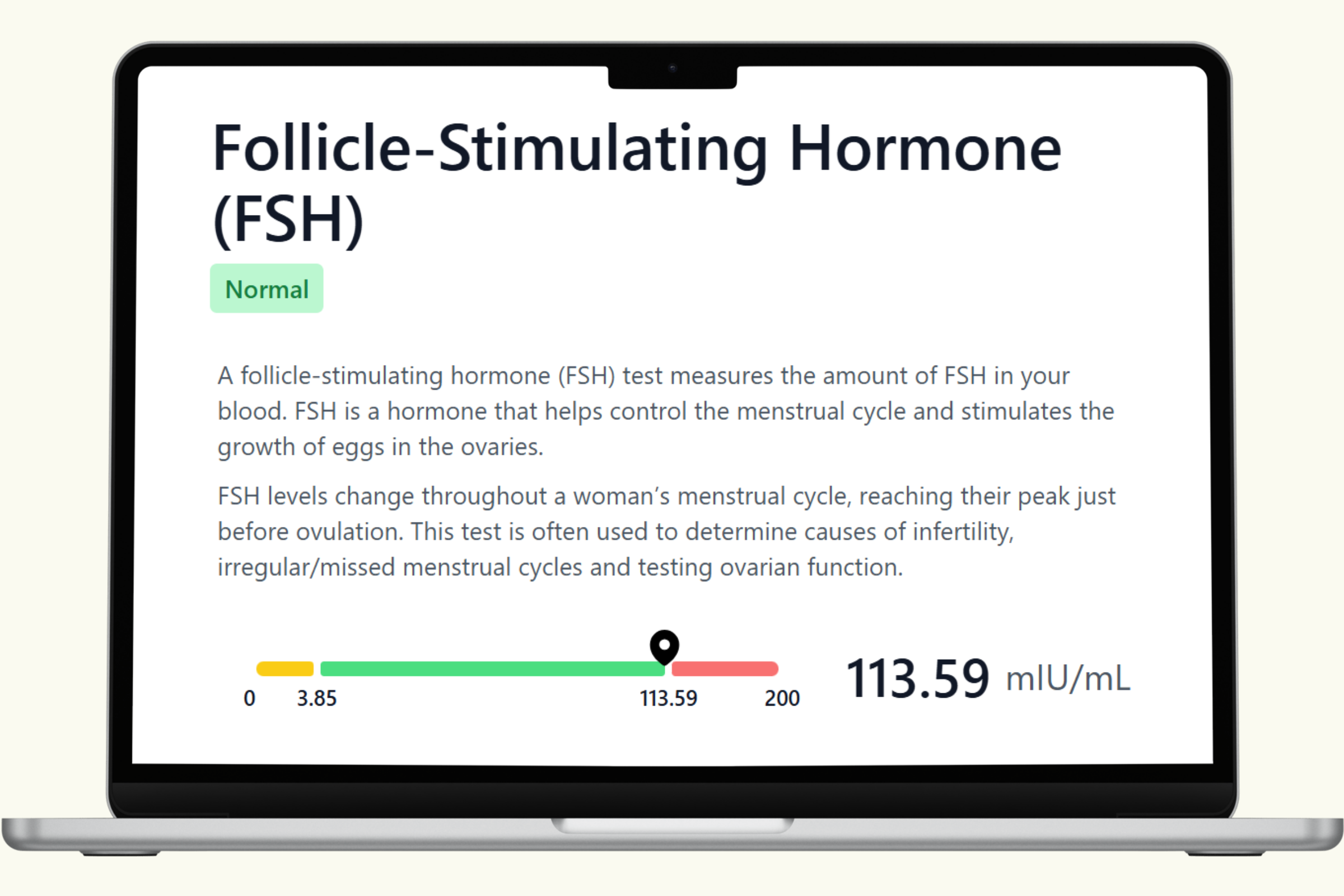
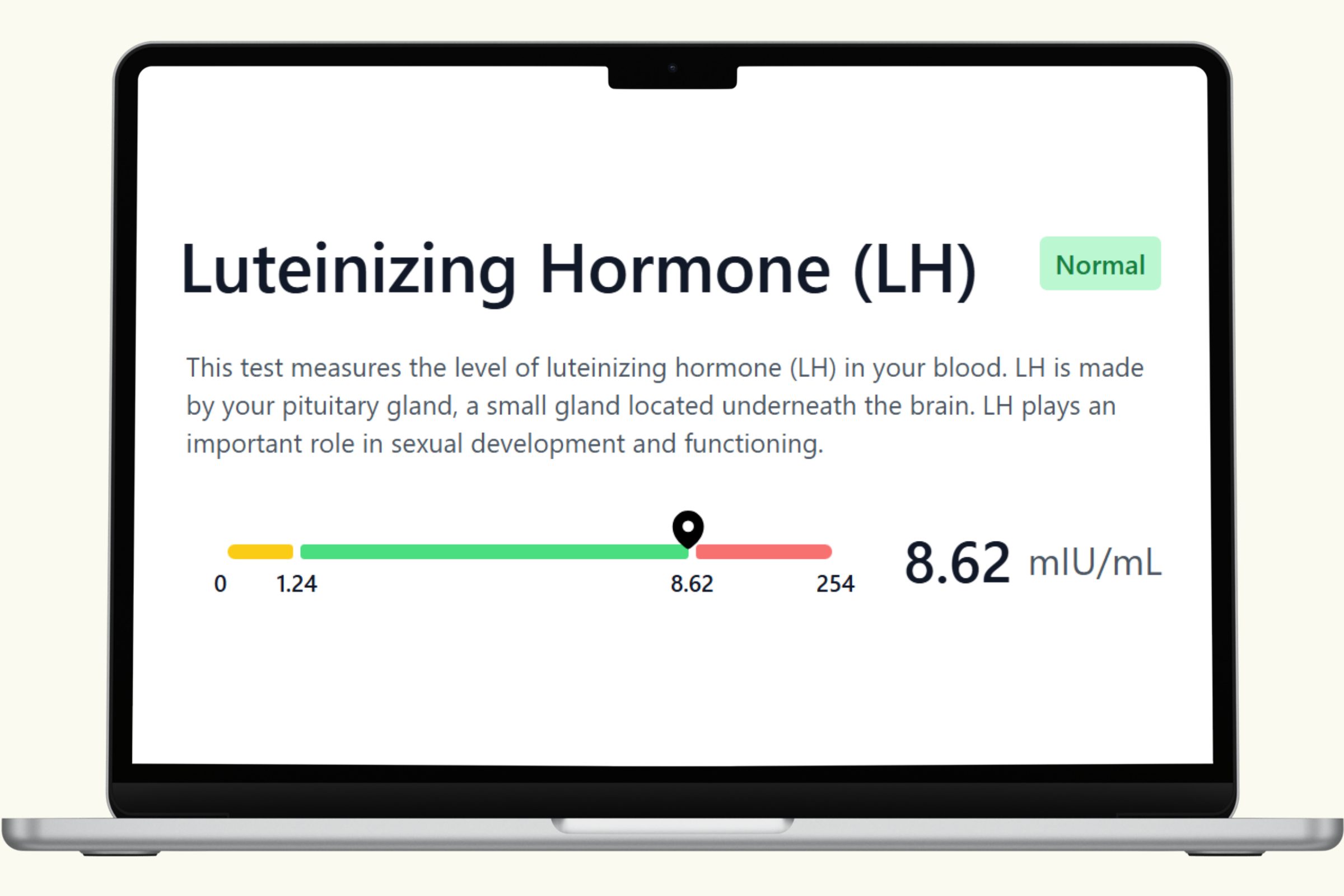
FSH stimulates follicle development each cycle. Rising FSH — particularly elevated day 3 FSH — signals declining ovarian reserve as the pituitary works harder to stimulate aging ovaries. LH triggers ovulation and surges mid-cycle. Elevated baseline LH with a high LH:FSH ratio is characteristic of PCOS. Together, FSH and LH provide a functional picture of ovarian responsiveness and cycle regularity that individual hormones cannot convey alone.

What is DHEA-S and what does it indicate in women's hormone testing?

DHEA-S is an adrenal androgen that serves as a precursor to both testosterone and estrogen. It peaks in the mid-20s and declines with age. In women, elevated DHEA-S may indicate adrenal hyperactivity or PCOS-related androgen excess — contributing to acne, excess hair growth, and irregular cycles. Low DHEA-S is associated with fatigue, low libido, and adrenal insufficiency, making it a key complement to ovarian hormone assessment.