Frequently Asked Questions

What blood biomarkers are most important for men's overall health?

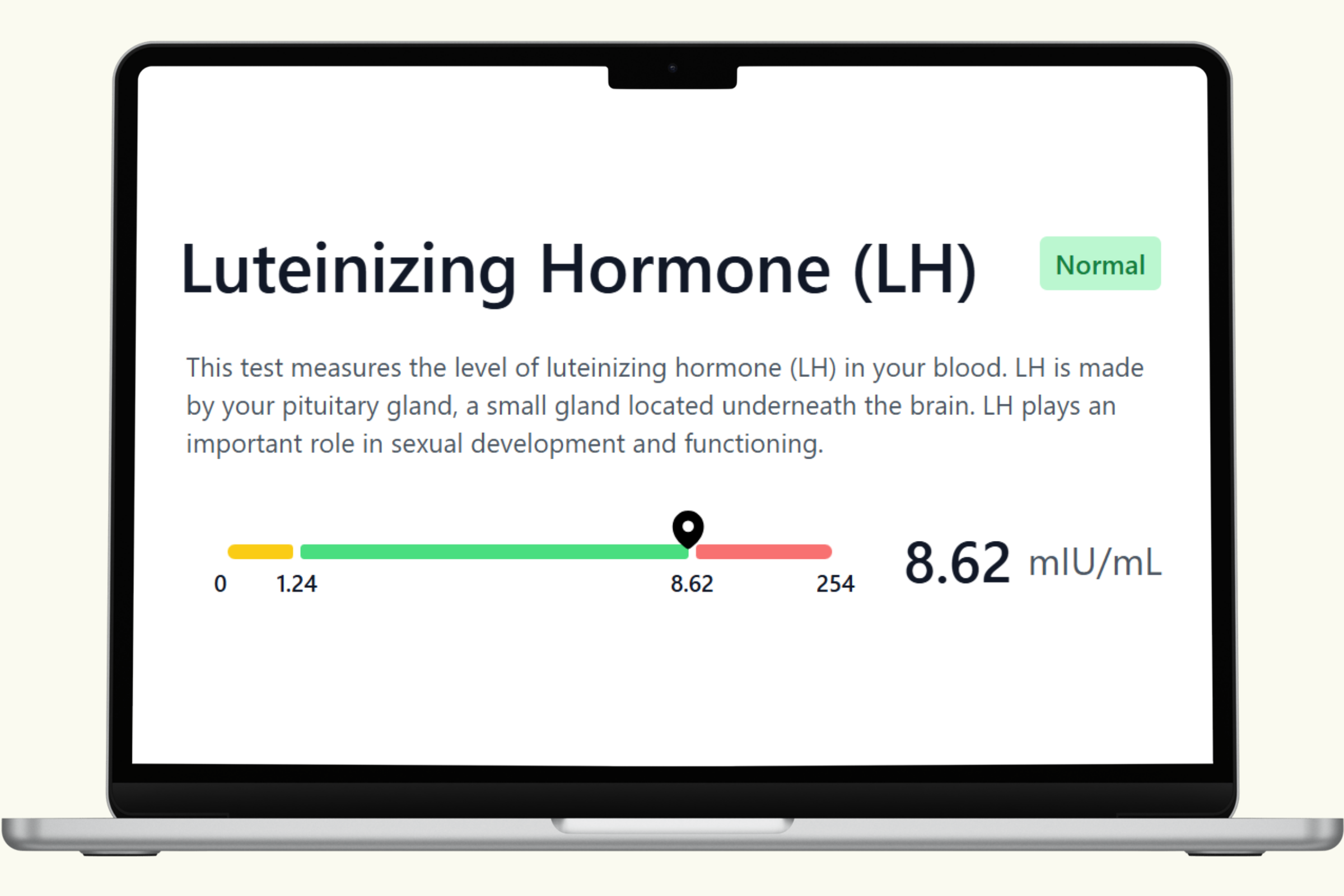
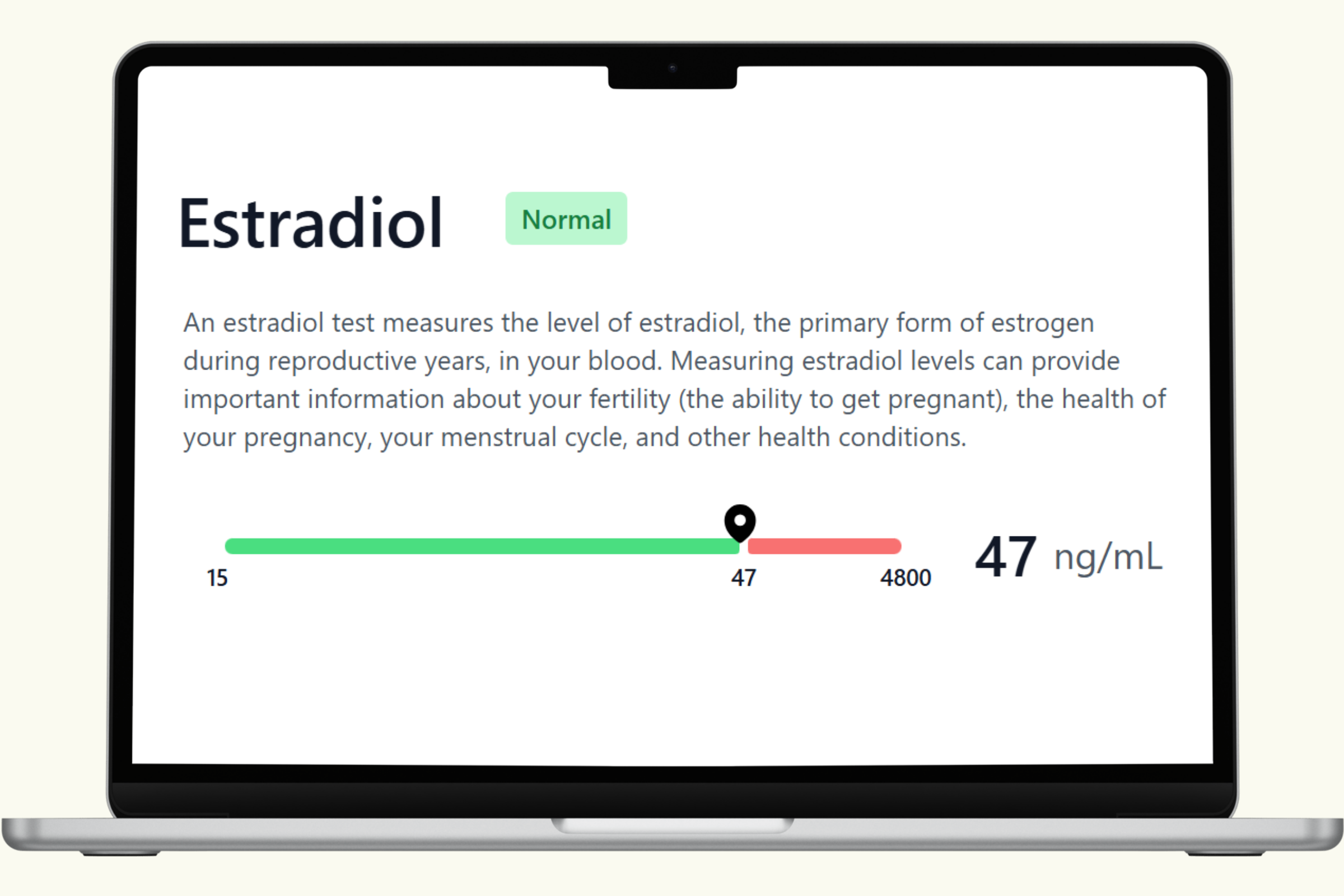
A comprehensive men's wellness panel spans several systems. Testosterone (total and free), SHBG, and estradiol assess hormonal status. A full lipid panel evaluates cardiovascular risk — the leading cause of mortality in men. HbA1c and fasting glucose screen for insulin resistance. CBC identifies anemia and immune abnormalities. Vitamin D, B12, magnesium, and ferritin address common nutrient gaps affecting energy, cognition, and physical performance.

Why do men need to monitor both total and free testosterone?

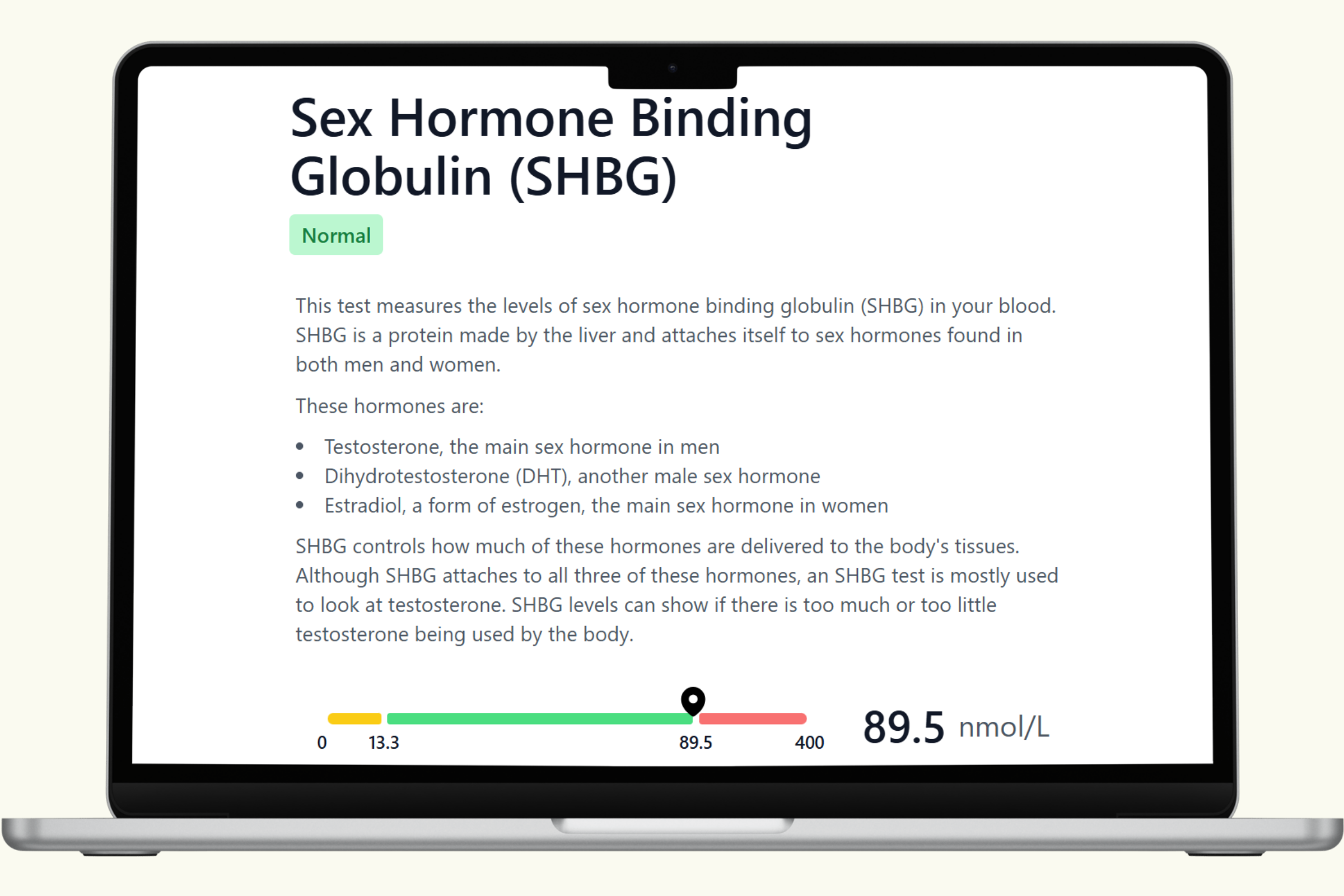
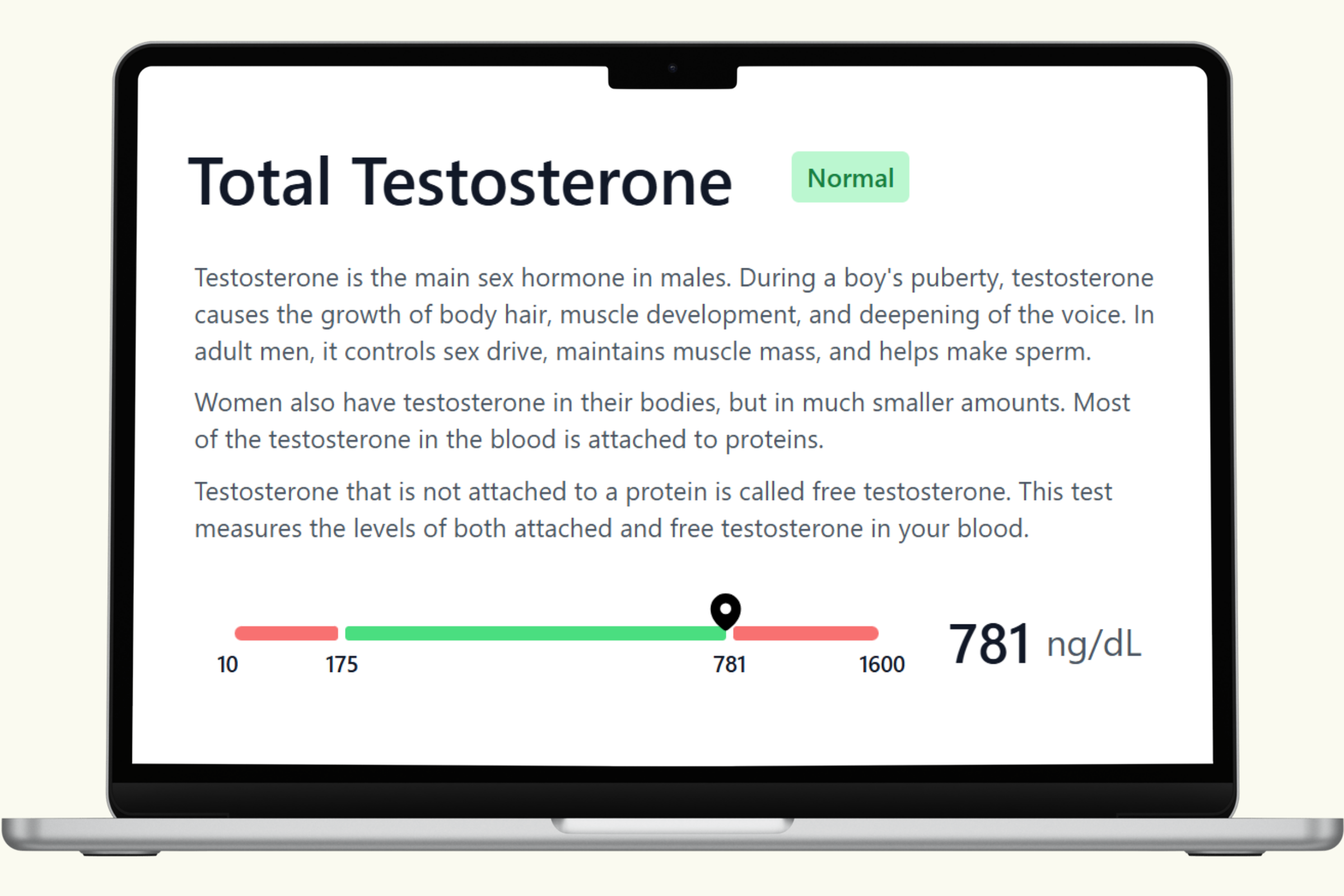
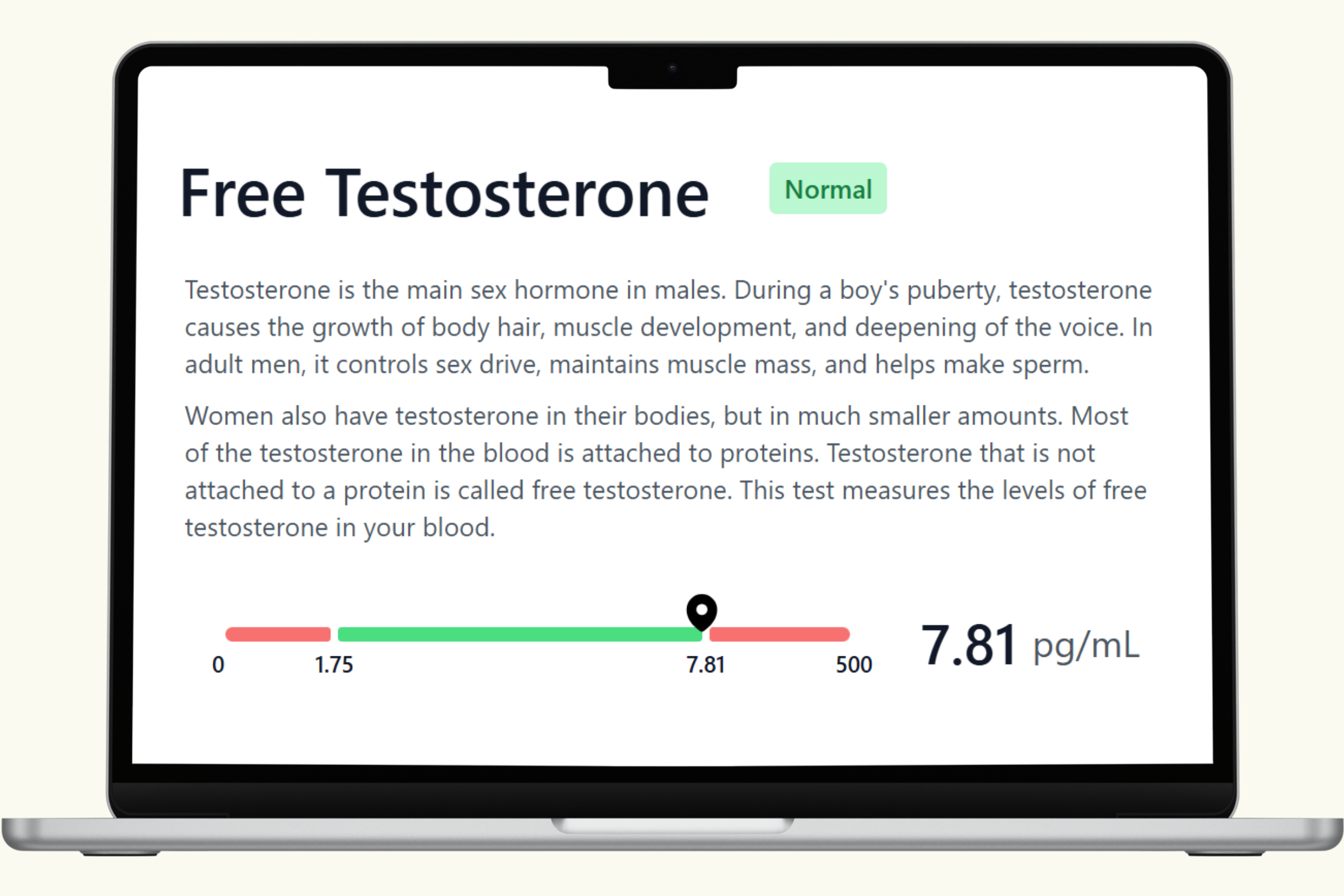
Total testosterone measures all circulating testosterone — both protein-bound and free. Only free testosterone (approximately 2–3% of total) is biologically active and available to tissues. High SHBG binds more testosterone, reducing free levels even when total appears normal. A man with normal total testosterone but high SHBG may experience low energy, reduced libido, and muscle loss — symptoms only explained by measuring free testosterone and SHBG together.

What metabolic markers should men track for cardiovascular risk?

Beyond standard cholesterol, men benefit from monitoring hsCRP (inflammatory marker), HbA1c (3-month blood sugar average), triglycerides, and HDL. Low HDL and high triglycerides indicate metabolic syndrome risk independently of LDL levels. Homocysteine is an underused but validated cardiovascular risk marker. Together these provide a more complete cardiometabolic risk picture than total cholesterol alone — particularly important given men's statistically higher cardiovascular risk.

How does PSA factor into a men's wellness blood panel?

PSA (prostate-specific antigen) is produced by the prostate gland. Elevated PSA can indicate prostate enlargement, inflammation, or malignancy — making it a standard screening marker for men over 40. PSA is included in comprehensive men's wellness panels as a proactive screening tool. Results are interpreted in the context of age, trend over time, and clinical history rather than any single value in isolation.

At what age should men start comprehensive blood panel monitoring?

Starting a baseline comprehensive panel in your late 20s to early 30s is increasingly recommended — not because disease is likely, but because establishing personal baseline values makes future changes meaningful. Testosterone decline begins around age 30. Insulin resistance and lipid abnormalities often develop silently through the 30s and 40s. Early monitoring creates longitudinal data needed to identify gradual shifts before they become clinically significant.