Fitness & Injury Genetics Explained

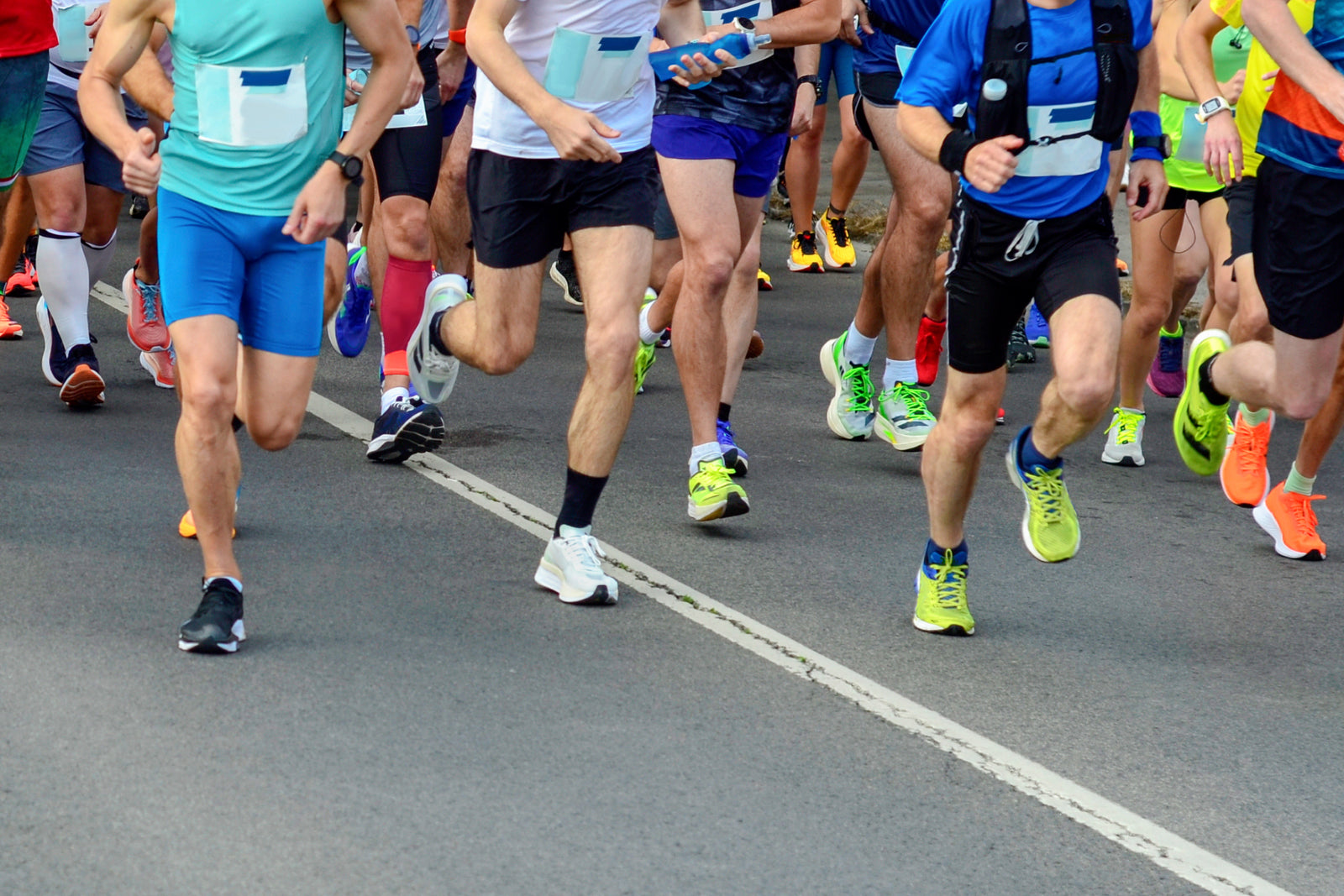
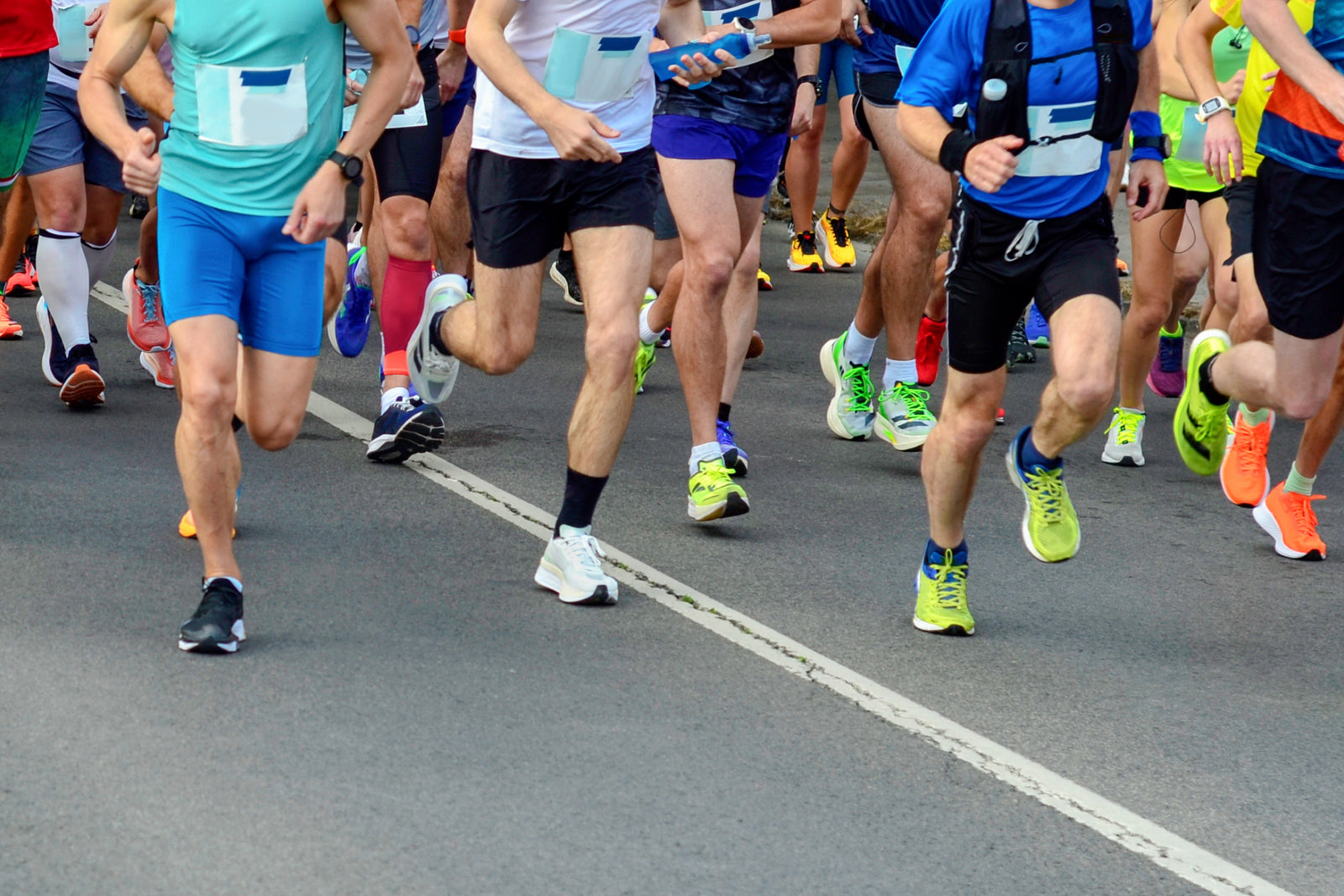
How your body responds to exercise — recovery speed, injury risk, endurance vs. power performance, and muscle adaptation — is influenced by your genetics in ways that go far beyond athletic ability. Variants in genes related to connective tissue repair, inflammation response, muscle fiber composition, and oxidative capacity can help explain why your body responds the way it does to training.

This hub contains the genetic insights from the PlexusDx Fitness & Injury Genetic Report — individual interpretations covering exercise response, recovery pathways, and musculoskeletal tendencies. Each entry connects a specific genetic variant to practical guidance for training, recovery, and injury prevention.

The Fitness & Injury Genetic Report is included with the Precision Functional Health Genetic Test — PlexusDx's most comprehensive genetic option covering wellness across 10 systems.

For education and wellness purposes only — not intended to replace advice from a certified fitness or healthcare professional.
Explore the Precision Functional Health Genetic Test

Frequently Asked Questions

What does genetics reveal about muscle fiber type and athletic potential?

ACTN3 is the most studied sports genetics gene. The R577X variant determines whether you produce ACTN3 protein in fast-twitch fibers. RR and RX genotypes are associated with power and sprint advantages; XX genotype correlates with better endurance efficiency and fatigue resistance. Genetics doesn't determine outcomes, but your ACTN3 profile meaningfully informs whether power-focused or endurance-focused training is likely to produce stronger adaptation for your physiology.

How does genetics influence injury risk in tendons and connective tissue?

COL1A1 and COL5A1 variants affect tendon stiffness and elasticity — certain variants are associated with elevated rates of ACL tears, Achilles tendinopathy, and shoulder injuries. MMP3 variants influence collagen breakdown and repair rate after injury. Individuals with higher-risk connective tissue variants benefit from targeted prevention protocols: structured load management, eccentric strengthening, and adequate collagen synthesis support through Vitamin C and amino acid availability.

What genetic factors affect exercise recovery speed?

Recovery rate is shaped by several variants. IL-6 variants influence post-exercise inflammatory response — pro-inflammatory variants cause greater muscle damage and longer recovery windows. PPARGC1A variants affect mitochondrial biogenesis efficiency. ACE variants influence cardiovascular recovery and oxygen delivery. Understanding recovery genetics enables more precise training periodization and identifies whether additional interventions — anti-inflammatory nutrition, targeted supplementation — are warranted for your specific profile.

Does VO2 max have a genetic component?

Yes — an estimated 40–50% of VO2 max variation between individuals is genetically determined. PPARGC1A variants influence mitochondrial biogenesis and aerobic capacity. VEGF variants affect vascular angiogenesis in response to endurance training. ACE I/D variants influence cardiac output and oxygen delivery efficiency. Despite this genetic ceiling, training response remains substantial for all genotypes — the ceiling is raised by consistent training, regardless of starting point.

Can genetic testing help prevent overtraining or burnout?

Variants in HPA axis function, cortisol metabolism, and inflammatory recovery can identify individuals with higher physiological stress responses to training load. Slow COMT variants are associated with elevated catecholamine levels under sustained stress. Combined with recovery genetics (IL-6, PPARGC1A), this profile informs appropriate training volume, recovery frequency, and supplementation to reduce overtraining risk — particularly valuable for athletes with histories of fatigue, chronic injury, or poor recovery.