Frequently Asked Questions

What blood biomarkers are used to assess female fertility?

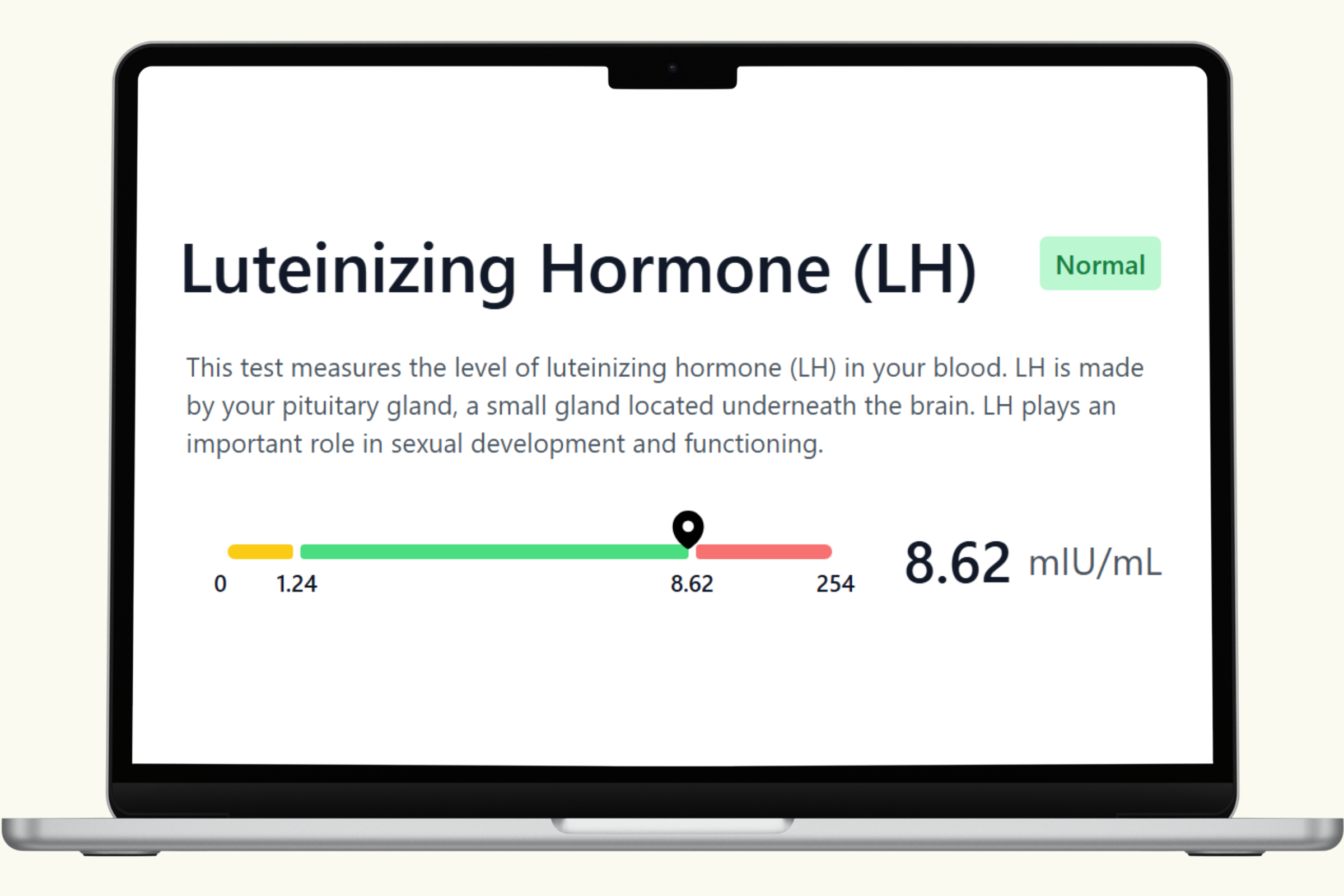
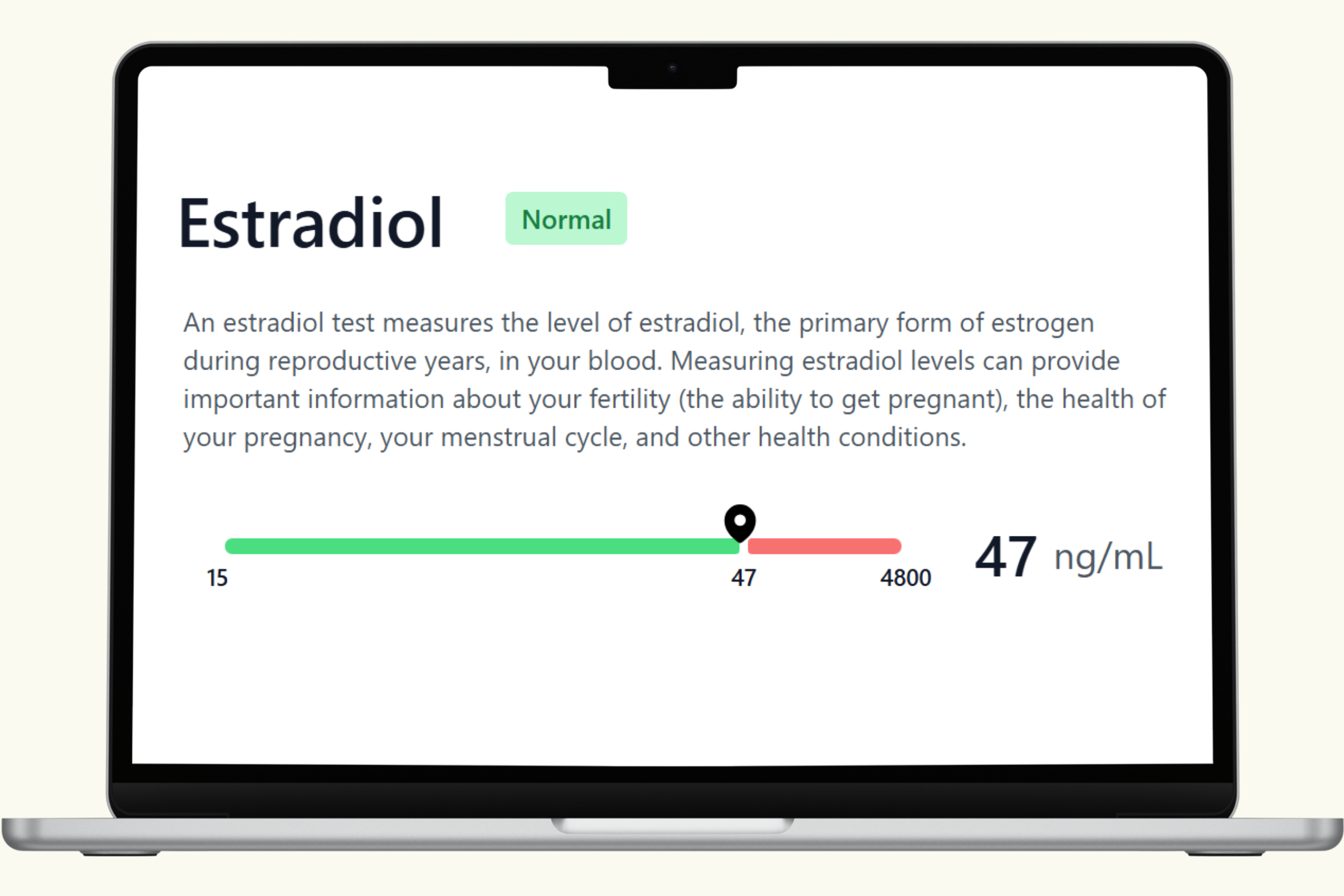
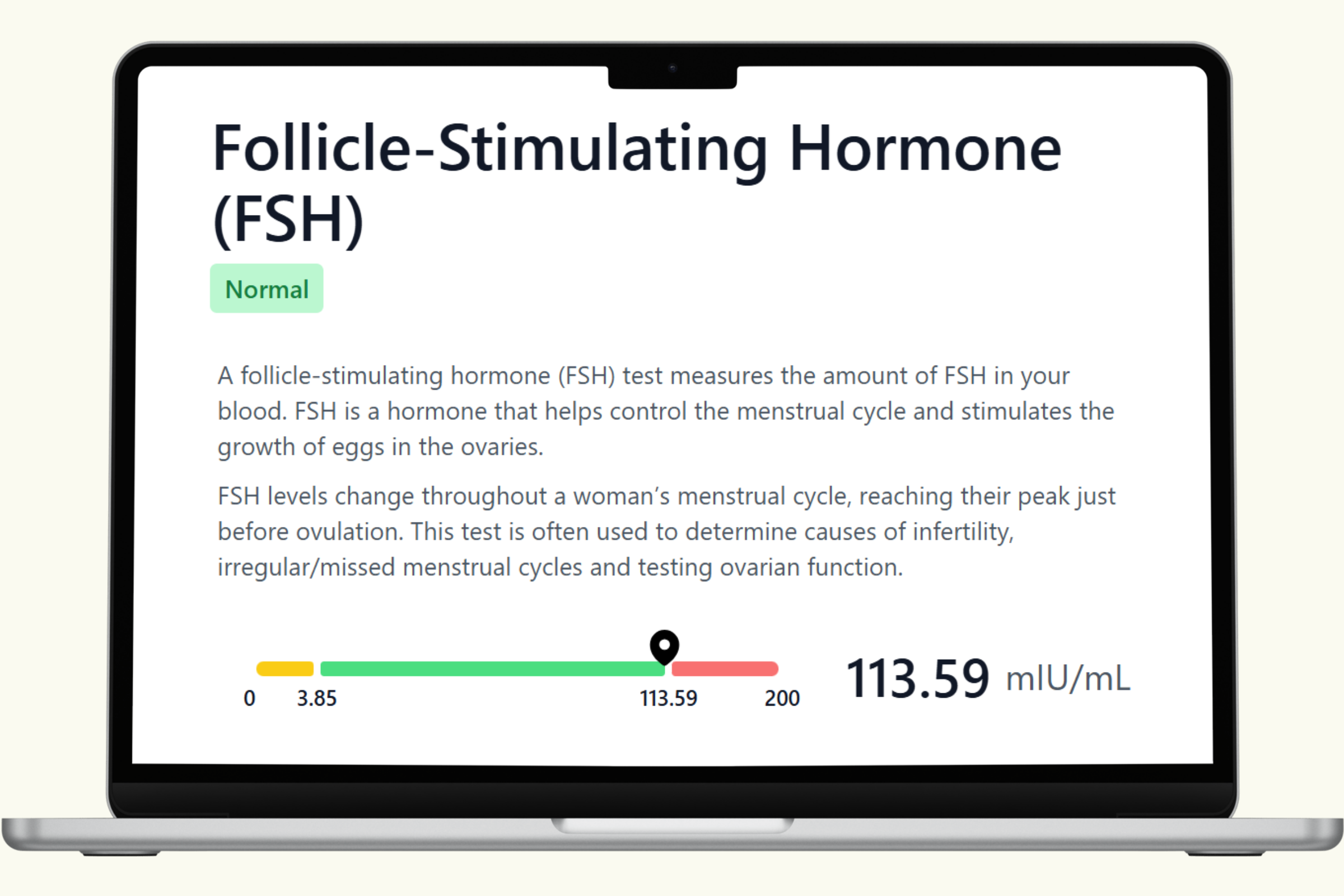
Female fertility assessment uses several markers reflecting different aspects of reproductive function. AMH measures ovarian reserve. Day 3 FSH and estradiol reflect ovarian responsiveness. LH patterns reveal ovulation regularity. Prolactin elevation can suppress ovulation. Thyroid function significantly affects cycle regularity and implantation. Together these markers provide a multidimensional view of reproductive health that no single test captures on its own.

What is AMH and what does it reveal about fertility?

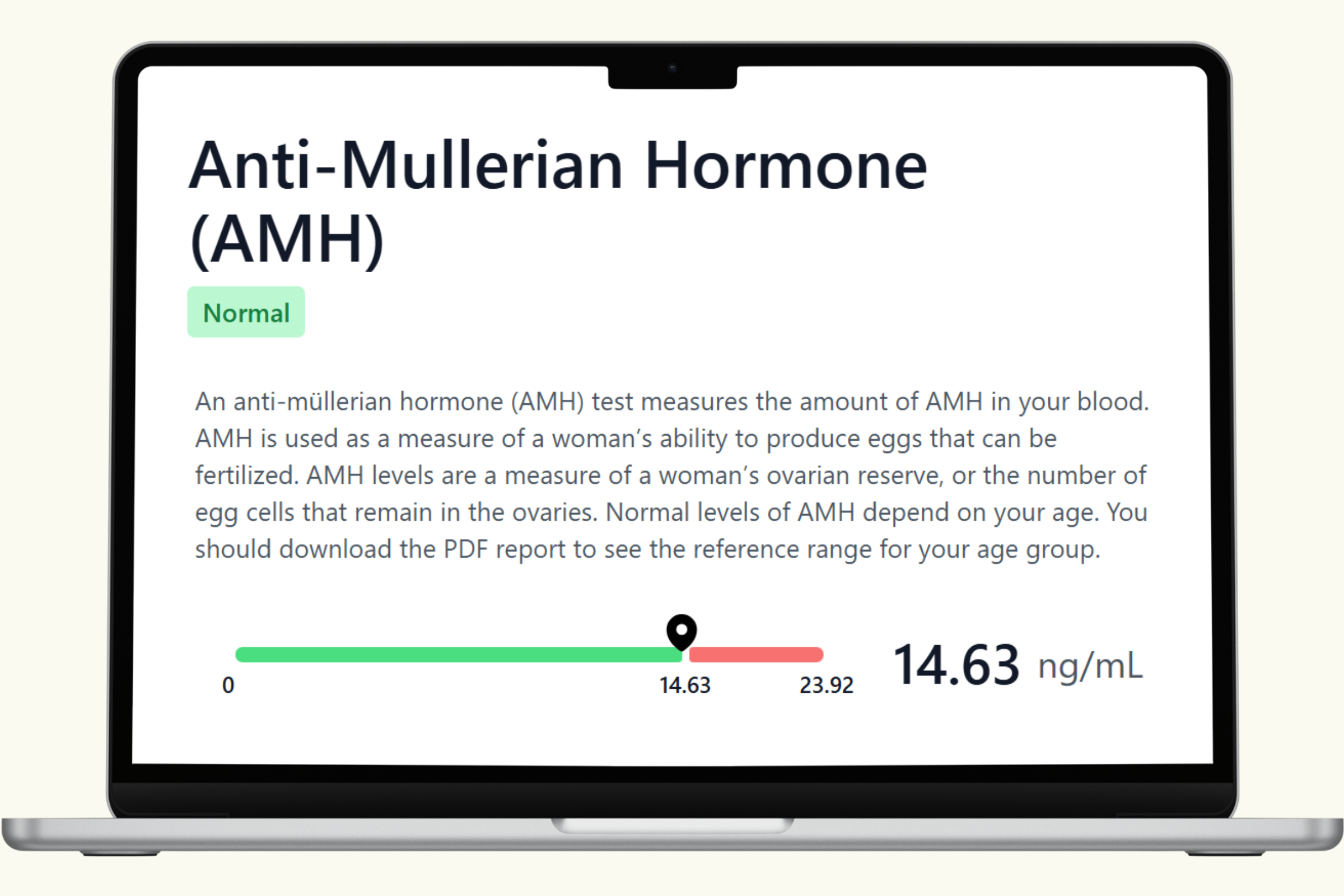
AMH is produced by granulosa cells in ovarian follicles and directly reflects the remaining egg pool — ovarian reserve. Unlike FSH, AMH remains stable throughout the menstrual cycle and can be tested on any day. Low AMH indicates diminished ovarian reserve and reduced time for conception. AMH declines with age but varies significantly between women of the same age, making individual testing more informative than age-based assumptions.

How does thyroid function affect fertility and pregnancy outcomes?

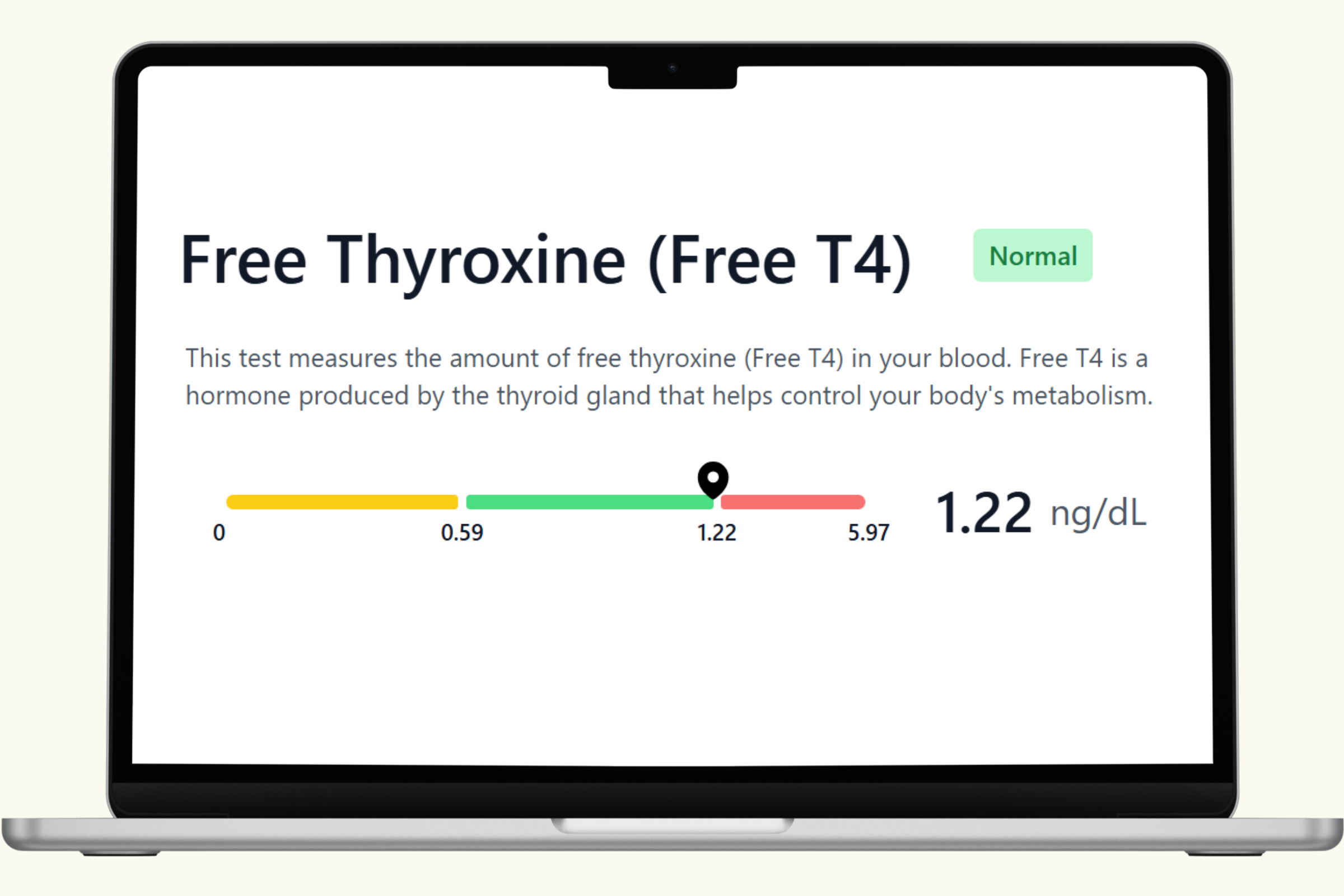
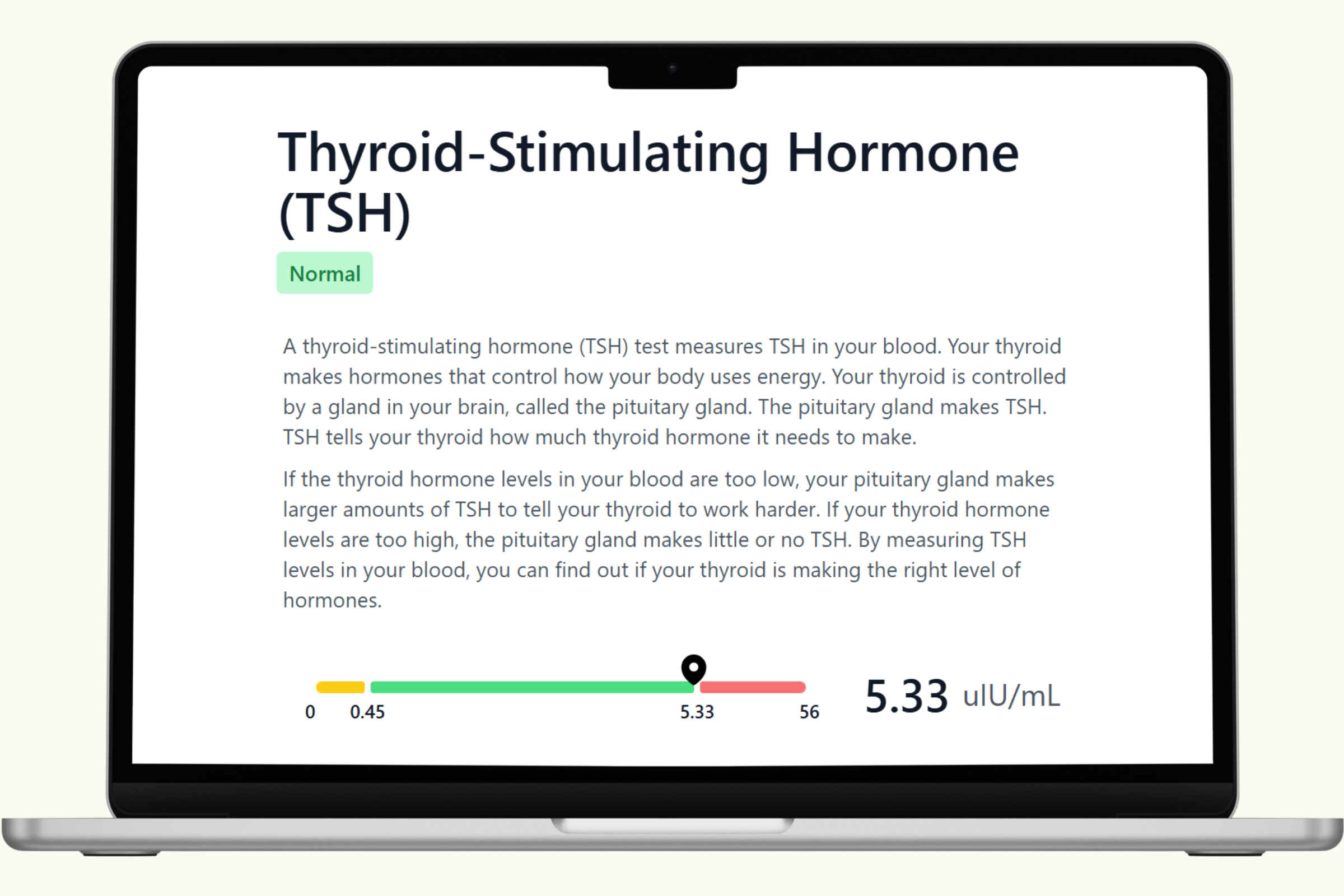
Thyroid hormones regulate the entire reproductive axis — from menstrual cycle regularity to ovulation to implantation. Subclinical hypothyroidism is associated with irregular cycles, reduced conception rates, and increased miscarriage risk. TSH levels recommended for fertility are often lower than standard clinical reference ranges. Testing TSH, Free T4, and thyroid antibodies provides a complete picture of thyroid health relevant to reproductive function and early pregnancy.

What does prolactin measure and why is it included in fertility testing?

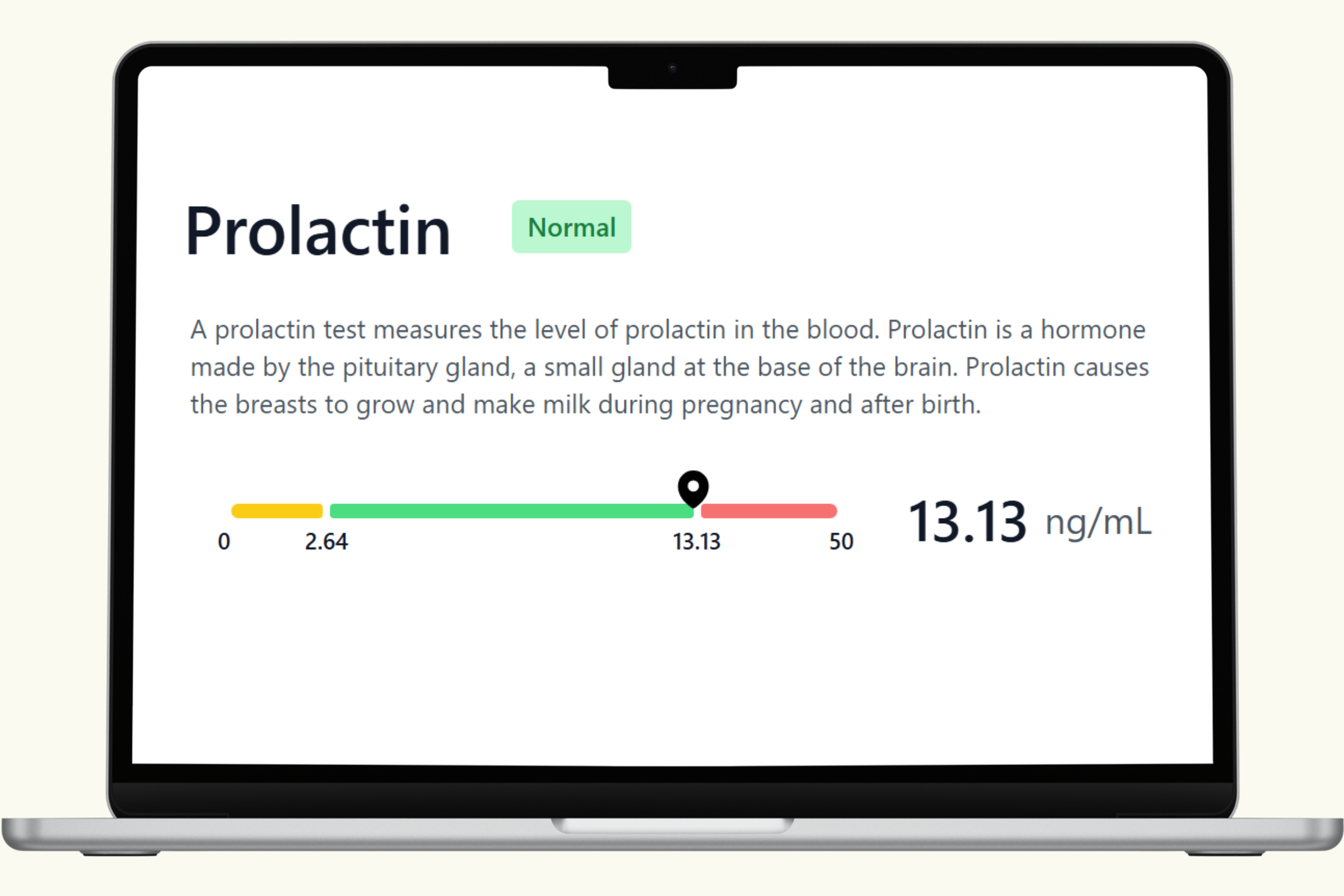
Prolactin is a pituitary hormone that, when elevated outside of pregnancy and breastfeeding, suppresses LH and FSH — disrupting ovulation and causing irregular or absent periods. Elevated prolactin is a common and treatable cause of anovulation and infertility. Causes include pituitary microadenomas, hypothyroidism, certain medications, and chronic stress. Testing prolactin identifies a directly addressable hormonal cause of cycle disruption that standard panels frequently omit.

When is the best time in the menstrual cycle to test fertility biomarkers?

Timing significantly affects testing accuracy. Day 2–4 (early follicular phase) is optimal for FSH, estradiol, LH, and AMH — providing an ovarian reserve baseline. Day 21 (mid-luteal phase) is correct for progesterone, confirming whether ovulation occurred and assessing luteal phase adequacy. Prolactin, TSH, and AMH can be tested on any cycle day without significant variation. Testing at the wrong time can produce misleading results.