
High Protein Diet (Plant-Based)
This meal plan is a specialized vegan program designed to deliver 100 to 113 grams of plant-based protein daily, making it ideal for individuals with higher protein needs who adhere to meat-free lifestyles. By naturally excluding animal products, this plan strictly follows dairyfree, eggfree, vegan, and vegetarian guidelines, while also serving as a high-protein option for those following a pescatarian approach who wish to prioritize plant sources. Beyond macronutrients, this diet supports your unique biology by addressing key themes found in your PlexusDx genetic report. For example, high-protein intake can help counteract weaker satiety signals associated with the MC4R and FTO genes, while a focus on low-glycemic plants supports blood sugar regulation linked to the TCF7L2 gene. Additionally, by avoiding animal saturated fats, this plan aligns well with APOA2 variants related to fat sensitivity, and carefully selected plant foods help optimize nutrient absorption for genes like SLC40A1 (iron) and SLC30A8 (zinc).
This program is built on four evidence-based pillars: high-quality protein distribution, healthy fat balance, glycemic control, and gut microbiome support. It combines nutrient-dense whole foods to optimize muscle recovery, energy stability, and immune function without relying on animal products. To get the most out of this plan, focus on these key recommendations:
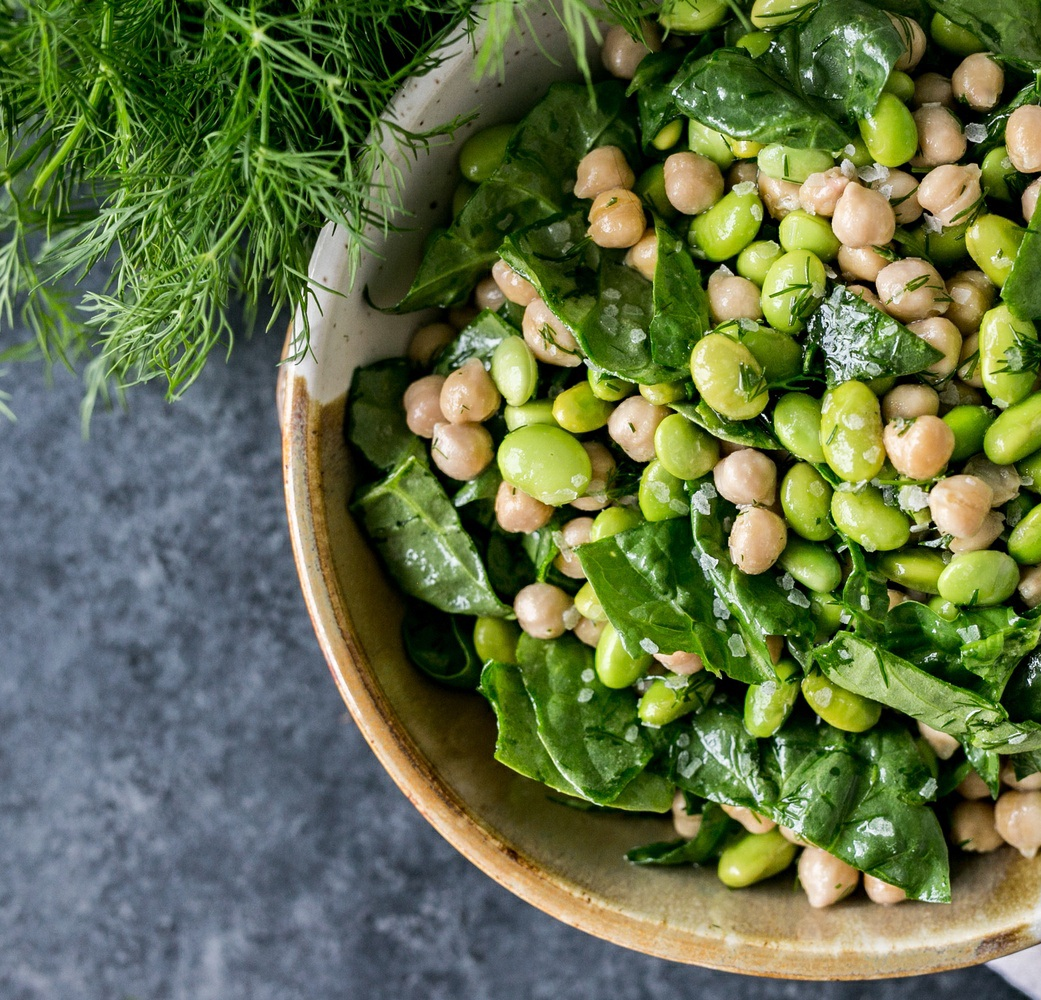
- Prioritize plant protein: Consume at least 100 grams of protein daily from diverse sources like tofu, tempeh, edamame, quinoa, chickpeas, and plant-based protein powder to support muscle strength and hypertrophy.
- Incorporate healthy fats: Include omega-3 sources like chia and flaxseeds, omega-6 from nuts, and omega-9 from olive and avocado oils to reduce inflammation and support heart health.
- Choose low-glycemic carbohydrates: Focus on fiber-rich fruits, vegetables, and legumes to provide up to 50 grams of fiber daily, ensuring steady insulin levels and sustained energy.
- Support gut health: Combine probiotic-rich foods with prebiotic vegetables like onions and garlic to restore healthy gut bacteria and boost immune defense.
Ready to start eating for your genes? Click the button below to access your personalized PlexusDx meal planning tool. If you have specific intolerances or simply want to try a different flavor, you can easily adjust any meal while keeping your nutrition targets on track. Just follow these steps:
- Locate the meal you wish to change on your daily dashboard.
- Click the three dots in the corner of the meal card.
- Select “Swap recipe” from the menu options.
- Choose “Swap” to change just that meal, or “Swap all” to replace it for the whole week.
- Keep clicking “Swap” to browse alternatives until you find a delicious option that matches your specific dietary needs.
PlexusDx provides educational information about genetic predispositions only. This content is not medical advice. Always discuss genetic findings, test results, symptoms, and treatment decisions with your healthcare provider or an allergist to determine appropriate care for your situation.
Frequently Asked Questions About The High Protein Diet Plant-Based
What is the PlexusDx plant-based high-protein meal plan?
It’s a specialized vegan program designed to deliver 100–113 grams of plant-based protein per day. It follows dairyfree, eggfree, vegan, and vegetarian guidelines, and can also fit pescatarian lifestyles that prioritize plant protein. The plan is built to support muscle recovery, energy stability, immune function, and related genetic themes identified in a PlexusDx report.
How does this high-protein vegan diet support metabolism and blood sugar balance?
The meal plan emphasizes low-glycemic, fiber-rich carbohydrates from fruits, vegetables, and legumes (up to 50 grams of fiber daily) to help support steady insulin levels and sustained energy. It’s also designed around nutrition strategies that may align with genetics linked to appetite regulation (including MC4R and FTO) and blood sugar regulation (including TCF7L2).
What foods and daily habits should I focus on in this plant-based high-protein plan?
Prioritize plant protein (targeting at least 100 grams/day) using tofu, tempeh, edamame, quinoa, chickpeas, and/or plant protein powder. Include healthy fats (chia/flax for omega-3; nuts for omega-6; olive or avocado oil for omega-9) to support heart health and help reduce inflammation. Support gut health with probiotic-rich foods and prebiotic vegetables like onions and garlic, which together help promote a healthier gut microbiome.
What tests can help me learn more about High Protein Diet Plant-Based?
The Functional Health Genetic Test delivers over 750 personalized genetic insights across 10 in-depth genetic reports to support whole-body, systems-level health understanding. The Diet and Nutrition Genetic Report translates your results into personalized, actionable guidance. Your healthcare provider can also recommend targeted blood tests based on your specific pathway results and health history to complement your genetic insights with current biomarker data.
Medical and Editorial Standards
Sources and evidence: PlexusDx educational content is developed using peer-reviewed research, clinical literature, and reputable medical references.
Important disclaimer: This content is for informational purposes only and is not a substitute for professional medical advice, diagnosis, or treatment. Always consult a qualified healthcare provider before making decisions about your diet, supplements, or health-related care.

Share:
High Protein Athlete Diet (Plant-Based)
High Protein, Low Carb Diet