
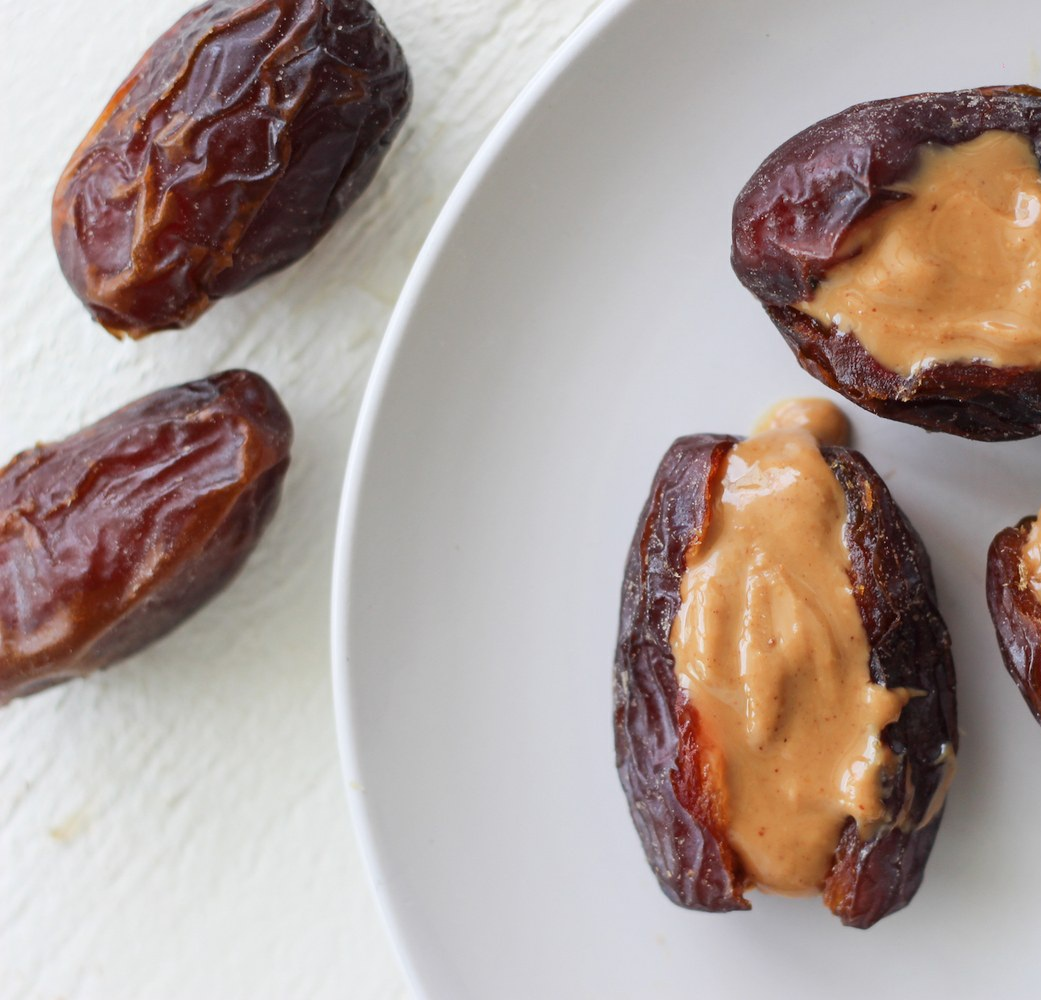
Low Sodium Cholesterol-Free Diet (Plant-Based)
This comprehensive plant-based program is designed to support cardiovascular health by rigorously limiting sodium and eliminating dietary cholesterol while maximizing nutrient density. By excluding animal products, the plan is naturally dairy-free and egg-free, making it an ideal fit for those following vegan or vegetarian lifestyles, while also remaining adaptable for pescatarian preferences if fish is added separately. The strategy focuses on high-fiber whole foods like fruits, vegetables, legumes, and grains, alongside healthy unsaturated fats from seeds, nuts, and extra virgin olive oil. This approach is particularly relevant for individuals whose PlexusDx report highlights genes such as ACE, CYP11B2, or SLC4A5, which can influence how the body regulates blood pressure in response to salt intake. Additionally, focusing on plant-based fats and fiber supports healthy lipid profiles, addressing pathways modulated by genes like APOA2 and LRP8 that play a role in cholesterol and saturated fat metabolism.
The nutritional framework of this diet draws inspiration from clinical strategies like the DASH diet, prioritizing heart health through specific, evidence-backed nutrient targets. By significantly reducing sodium and saturated fat intake, the plan aims to create a favorable environment for vascular function and lipid management. Key recommendations include:
- Limit Saturated Fat: Daily intake is kept below 13 grams, with a focus on monounsaturated fats from sources like olive oil, avocado, and almond butter.
- Restrict Sodium: To support healthy blood pressure, sodium is strictly limited to less than 1,200 milligrams per day.
- Maximize Fiber: The plan provides up to 60 grams of daily fiber from whole grains, beans, and produce, utilizing soluble fiber to help support glycemic control and cholesterol balance.
- Incorporate Plant Sterols: Naturally occurring plant sterols from fruits, vegetables, and seeds are included to block some cholesterol absorption.
- Eliminate Dietary Cholesterol: The menu is entirely cholesterol-free to minimize dietary contributions to blood lipid levels.
To customize this program for your specific tastes or dietary needs, click the button below to access your PlexusDx meal planning tool. You can easily modify any meal to better suit your preferences using the "Swap" feature. Follow these simple steps to find the perfect alternative:
- Locate the meal you wish to change on your daily planner.
- Click the three dots in the corner of the recipe card.
- Select “Swap recipe” from the dropdown menu.
- Choose “Swap” to change just that meal, or “Swap all” to replace it for the whole week.
- Keep clicking “Swap” to cycle through nutritious alternatives that automatically match strict plan rules like gluten-free, dairy-free, or egg-free.
PlexusDx provides educational information about genetic predispositions only. This content is not medical advice. Always discuss genetic findings, test results, symptoms, and treatment decisions with your healthcare provider or an allergist to determine appropriate care for your situation.
Frequently Asked Questions About The Low Sodium Cholesterol-Free Diet Plant-Based
What is a low sodium, cholesterol-free plant-based diet?
It’s a vegan/vegetarian-style eating plan that limits sodium to under 1,200 mg per day, removes all dietary cholesterol (no animal-derived foods), and emphasizes high-fiber whole foods like fruits, vegetables, legumes, and grains. The program also focuses on nutrient-dense plant fats from sources like extra virgin olive oil, nuts, seeds, and avocado.
How does this diet support blood pressure and cholesterol goals?
By significantly reducing sodium and saturated fat, the plan aims to create a favorable environment for vascular function and lipid management. It also increases soluble fiber (up to 60 grams/day) to support glycemic control and cholesterol balance, and includes plant sterols to help block some cholesterol absorption. It may be especially relevant if your PlexusDx report highlights genes such as ACE, CYP11B2, or SLC4A5 (blood pressure response to salt) and APOA2 or LRP8 (lipid and saturated fat metabolism).
Can I customize meals in the PlexusDx meal planning tool while staying within strict dietary rules?
Yes. Use the “Swap recipe” feature in your daily planner: click the three dots on a recipe card, choose “Swap recipe,” then select “Swap” to change one meal or “Swap all” to replace the week. The tool cycles through alternatives that automatically match strict rules such as gluten-free, dairy-free, and egg-free while keeping the program’s requirements intact.
What tests can help me learn more about Low Sodium Cholesterol-Free Diet Plant-Based?
The Functional Health Genetic Test delivers over 750 personalized genetic insights across 10 in-depth genetic reports to support whole-body, systems-level health understanding. The Diet and Nutrition Genetic Report translates your results into personalized, actionable guidance. Your healthcare provider can also recommend targeted blood tests based on your specific pathway results and health history to complement your genetic insights with current biomarker data.
Medical and Editorial Standards
Sources and evidence: PlexusDx educational content is developed using peer-reviewed research, clinical literature, and reputable medical references.
Important disclaimer: This content is for informational purposes only and is not a substitute for professional medical advice, diagnosis, or treatment. Always consult a qualified healthcare provider before making decisions about your diet, supplements, or health-related care.

Share:
Low Sulfur Diet
Low Sulfur Diet