
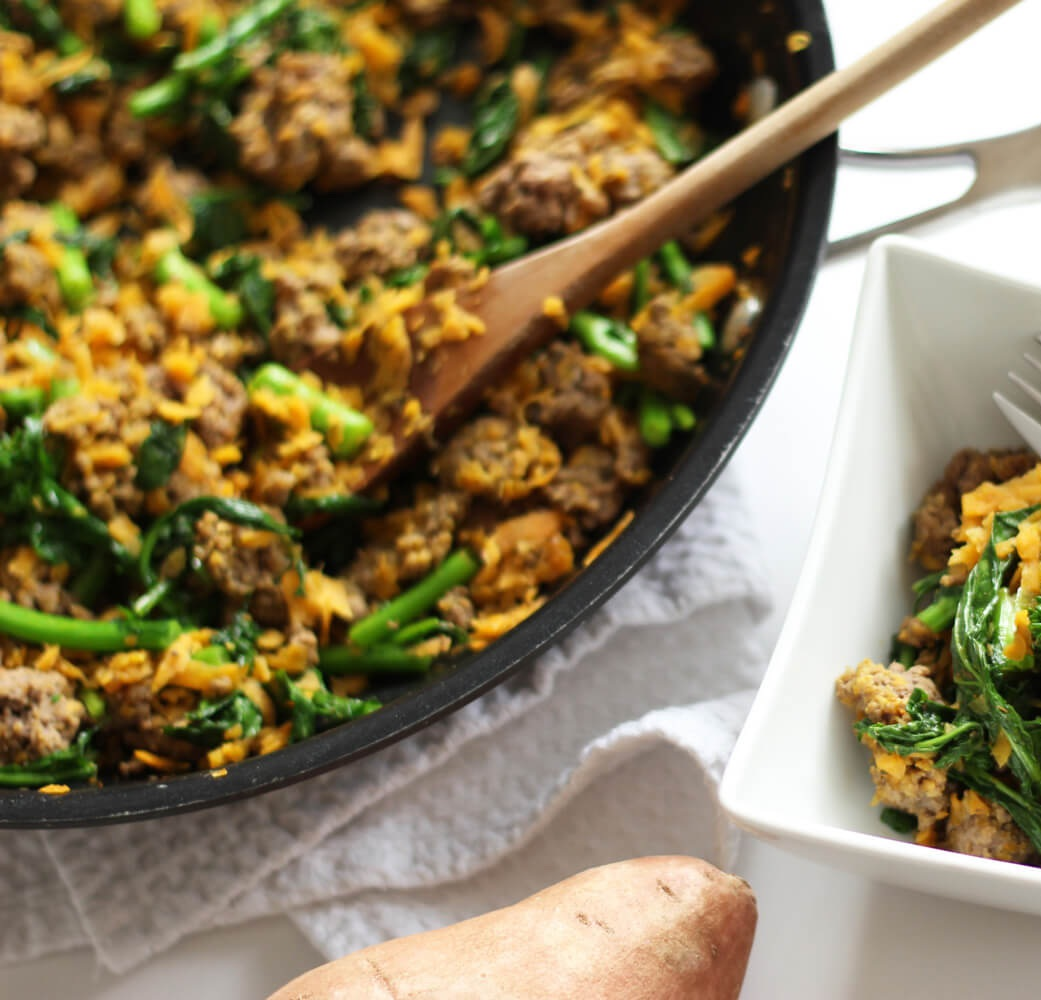
Low Lectin Diet
This intensive dietary intervention is designed to support inflammation management and autoimmunity by removing specific plant proteins that may trigger immune responses. Your Low Lectin Diet excludes high-lectin foods such as nightshade vegetables, grains, legumes, and squash, replacing them with nutrient-dense staples like cruciferous vegetables, wild fish, and leafy greens. To ensure broad compatibility with sensitive systems, this protocol is naturally dairy-free, gluten-free, grain-free, and nightshade-free, while focusing on low-glycemic and low-lectin ingredients. Your PlexusDx report provides insight into key inflammatory and immune genes such as CRP, TNF, and IL6, which regulate how your body responds to dietary triggers. By aligning your nutrition with these genetic pathways, this plan helps reduce systemic burden and supports your body’s natural ability to maintain balance.
The scientific framework for this diet centers on reducing intestinal permeability and modulating immune activity. High concentrations of lectins can potentially disrupt the gut barrier and digestion, while specific cooking methods are required to inactivate their biological effects. The following evidence-backed pillars form the foundation of your meal plan:
- Gluten & Grain-Free: Since many cereal grains and legumes contain lectins, this program eliminates them entirely. Instead, it utilizes nutrient-dense alternatives like cauliflower, kale, and cabbage, which provide indoles (such as indole-3-Carbinol) to support immune function.
- Fiber-Rich Strategy: This low-carbohydrate plan targets up to 30 grams of fiber daily through vegetables and nuts. Fiber supports the production of short-chain fatty acids, which may help reduce intestinal permeability and lower C-reactive protein (CRP) levels.
- Cooked Food Focus: High temperatures are necessary to inactivate the antinutritional effects of lectins. Therefore, this program prioritizes cooked meals over raw preparations to minimize potential digestive disruptors.
- Anti-Inflammatory Nutrients: The plan incorporates polyphenols from foods like walnuts, almonds, and spinach to help modulate inflammatory responses. It also emphasizes essential antioxidants, including Vitamin A from sweet potatoes and carrots, and Vitamin E from healthy oils and seeds, to reduce oxidative stress.
To customize your weekly menu using the PlexusDx meal planning tool, click the button below. If you need to adjust a suggestion to better fit your preferences or ingredient availability, you can easily use the "Swap" feature. Follow these steps to find the perfect alternative:
- Locate the meal you wish to change on your planner.
- Click the three dots in the corner of the recipe card.
- Select “Swap recipe” from the dropdown menu.
- Choose “Swap” to change just that single meal, or “Swap all” to replace it for the duration of the plan.
- Keep clicking “Swap” to cycle through compliant alternatives that match your specific plan rules, such as GF (gluten-free), DF (dairy-free), or egg-free options.
PlexusDx provides educational information about genetic predispositions only. This content is not medical advice. Always discuss genetic findings, test results, symptoms, and treatment decisions with your healthcare provider or an allergist to determine appropriate care for your situation.
Frequently Asked Questions About The Low Lectin Diet
What is a Low Lectin Diet and who is it designed for?
A Low Lectin Diet is an intensive nutrition protocol designed to support inflammation management and autoimmunity by removing specific plant proteins (lectins) that may trigger immune responses. It replaces higher-lectin foods with nutrient-dense, low-lectin options such as cruciferous vegetables, wild fish, and leafy greens, while using a naturally dairy-free, gluten-free, grain-free, and nightshade-free approach.
How does removing lectins support gut health and reduce inflammation?
High lectin intake may contribute to intestinal barrier disruption and digestive stress, which can influence immune activity. This plan emphasizes strategies like fiber-rich intake (targeting up to 30 grams/day from vegetables and nuts) to support short-chain fatty acids and may help reduce intestinal permeability and C-reactive protein (CRP). It also prioritizes cooked foods, since heat can help inactivate lectins’ antinutritional effects.
What foods are avoided and what cooking style does the Low Lectin Diet use?
The diet excludes high-lectin foods including nightshade vegetables, grains, legumes, and squash, then focuses on compliant alternatives like cauliflower, kale, cabbage, walnuts, almonds, and spinach. To reduce potential digestive disruptors, it prioritizes cooked meals over raw preparations using high-temperature cooking methods to inactivate lectins.
What tests can help me learn more about Low Lectin Diet?
The Functional Health Genetic Test delivers over 750 personalized genetic insights across 10 in-depth genetic reports to support whole-body, systems-level health understanding. The Diet and Nutrition Genetic Report translates your results into personalized, actionable guidance. Your healthcare provider can also recommend targeted blood tests based on your specific pathway results and health history to complement your genetic insights with current biomarker data.
Medical and Editorial Standards
Sources and evidence: PlexusDx educational content is developed using peer-reviewed research, clinical literature, and reputable medical references.
Important disclaimer: This content is for informational purposes only and is not a substitute for professional medical advice, diagnosis, or treatment. Always consult a qualified healthcare provider before making decisions about your diet, supplements, or health-related care.

Share:
Low Histamine Diet, Week 4
Low Salicylate Diet