
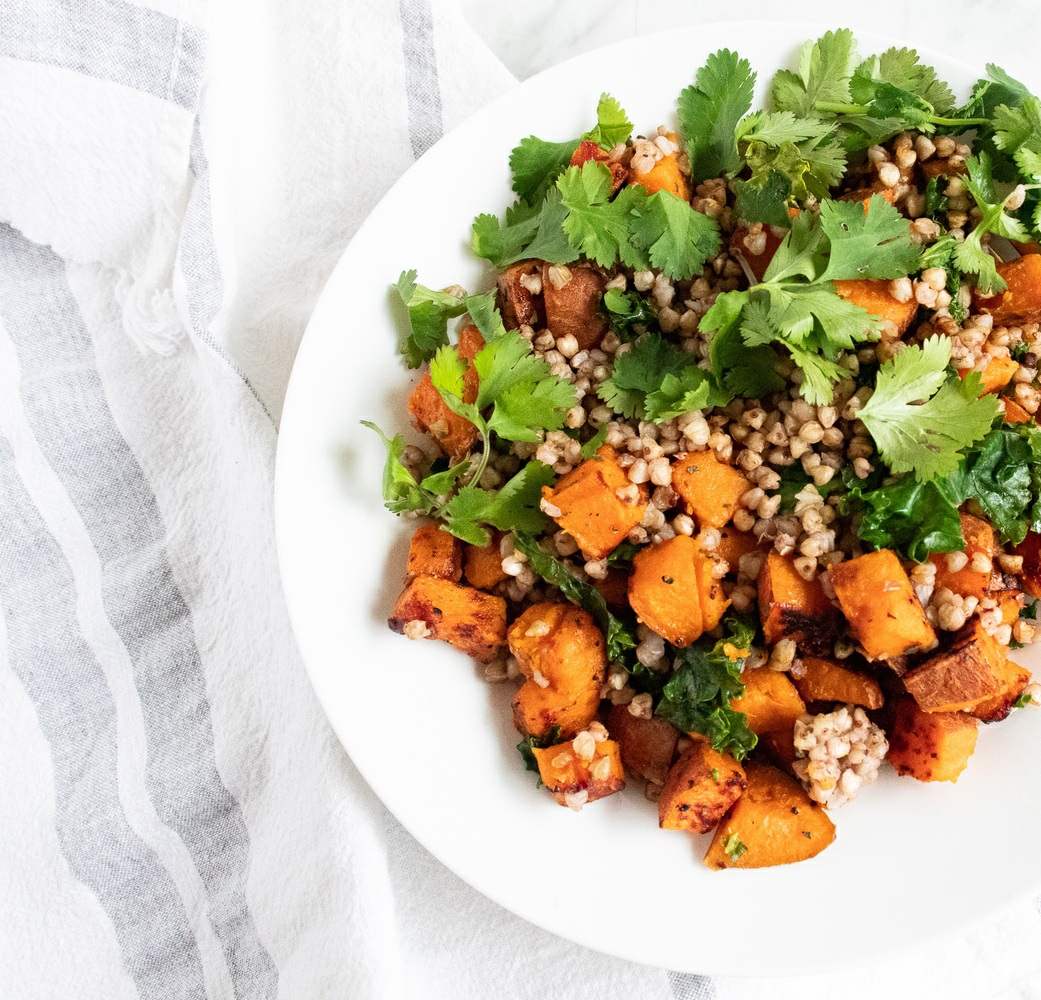
Gastroesophageal Reflux Disease (GERD) Diet
The Gastroesophageal Reflux Disease (GERD) Diet is a specialized nutrition plan designed to help you control acid reflux and soothe esophageal irritation by eliminating common trigger foods. This comprehensive program focuses on reducing symptoms through the exclusion of spicy foods, fatty meals, citrus, caffeine, chocolate, and mint, while emphasizing the restorative power of fiber, lean proteins, and healthy fats. To accommodate specific sensitivities and maximize gut healing, this version of the plan is strictly gluten-free, nightshade-free, nut-free, and sugar-free. These dietary adjustments are particularly relevant when considering your unique genetic profile; genes such as TNF, IL6, CRP, and IL8 play significant roles in regulating inflammation and maintaining the health of your digestive lining. By aligning your daily nutrition with these biological insights, you can help support your body’s natural ability to manage inflammation and reduce the discomfort associated with reflux.
This program is built on evidence-based strategies that aim to decrease the frequency and severity of reflux episodes by optimizing your intake of soothing, nutrient-dense foods. Research suggests that avoiding specific irritants while maintaining steady blood sugar and high fiber intake can significantly improve esophageal pressure and gastric function. The following recommendations are designed to help you implement these principles effectively:
- Eliminate common triggers: Avoid acidic foods, carbonated drinks, coffee, alcohol, and spicy ingredients to help maintain lower esophageal sphincter tone and reduce irritation.
- Prioritize fiber intake: Aim for up to 40 grams of daily fiber from vegetables, fruits, and whole grains, as soluble fiber from sources like oats and bananas is associated with reduced heartburn symptoms.
- Remove added sugars: Stick to a sugar-free approach that avoids simple sugars and artificial sweeteners to prevent negative changes in gut bacteria and minimize osmotic pressure in the digestive tract.
- Focus on healthy fats: Replace saturated fats from fried foods with healthy unsaturated options like seeds, avocado, and olive oil to help prevent the worsening of reflux symptoms.
To put this plan into action, click the button below to access your personalized PlexusDx meal planning tool. This tool allows you to instantly customize your weekly menu to fit your preferences and dietary requirements. If you find a meal that doesn't appeal to you or contains an ingredient you wish to avoid, you can easily find a delicious alternative using the "Swap" feature. Follow these simple steps to customize your plan:
- Locate the meal you want to change on your dashboard.
- Click the three dots in the corner of the meal card.
- Select “Swap recipe” from the menu options.
- Choose “Swap” to change just that meal, or “Swap all” to replace it for the whole week.
- Keep clicking “Swap” to browse through alternatives until you find one that matches your gluten-free, nightshade-free, nut-free, and sugar-free needs.
PlexusDx provides educational information about genetic predispositions only. This content is not medical advice. Always discuss genetic findings, test results, symptoms, and treatment decisions with your healthcare provider or an allergist to determine appropriate care for your situation.
Frequently Asked Questions About The Gastroesophageal Reflux Disease GERD Diet
What foods should I eliminate on the GERD diet to reduce acid reflux?
To help control reflux and soothe esophageal irritation, eliminate common triggers such as spicy foods, fatty meals, citrus, caffeine, chocolate, mint, acidic foods, carbonated drinks, coffee, alcohol, and spicy ingredients. This approach is designed to reduce irritation and help support lower esophageal sphincter tone.
How does increasing fiber and choosing healthy fats help GERD symptoms?
The GERD diet emphasizes restorative, nutrient-dense foods by prioritizing fiber (including soluble fiber from sources like oats and bananas) to help reduce heartburn symptoms, aiming for up to 40 grams daily. It also recommends swapping saturated fats from fried foods for healthy unsaturated fats such as olive oil, avocado, and seeds to help prevent reflux symptoms from worsening.
Is the GERD diet tailored for genetics, and how should I use it?
Yes—this plan notes that inflammation-related genes like TNF, IL6, CRP, and IL8 can influence digestive lining health, so aligning nutrition with these biological insights may support the body’s ability to manage inflammation and reduce reflux discomfort. You can personalize weekly meals using the PlexusDx meal planning tool, and use “Swap recipe” (or “Swap all”) to replace any meal that doesn’t fit gluten-free, nightshade-free, nut-free, and sugar-free requirements. Educational genetic information is not medical advice—discuss your results and symptoms with a healthcare provider.
What tests can help me learn more about Gastroesophageal Reflux Disease GERD Diet?
The Functional Health Genetic Test delivers over 750 personalized genetic insights across 10 in-depth genetic reports to support whole-body, systems-level health understanding. The Diet and Nutrition Genetic Report translates your results into personalized, actionable guidance. Your healthcare provider can also recommend targeted blood tests based on your specific pathway results and health history to complement your genetic insights with current biomarker data.
Medical and Editorial Standards
Sources and evidence: PlexusDx educational content is developed using peer-reviewed research, clinical literature, and reputable medical references.
Important disclaimer: This content is for informational purposes only and is not a substitute for professional medical advice, diagnosis, or treatment. Always consult a qualified healthcare provider before making decisions about your diet, supplements, or health-related care.

Share:
Gallbladder Diet (Plant-Based)
Gallbladder Diet (Plant-Based)