
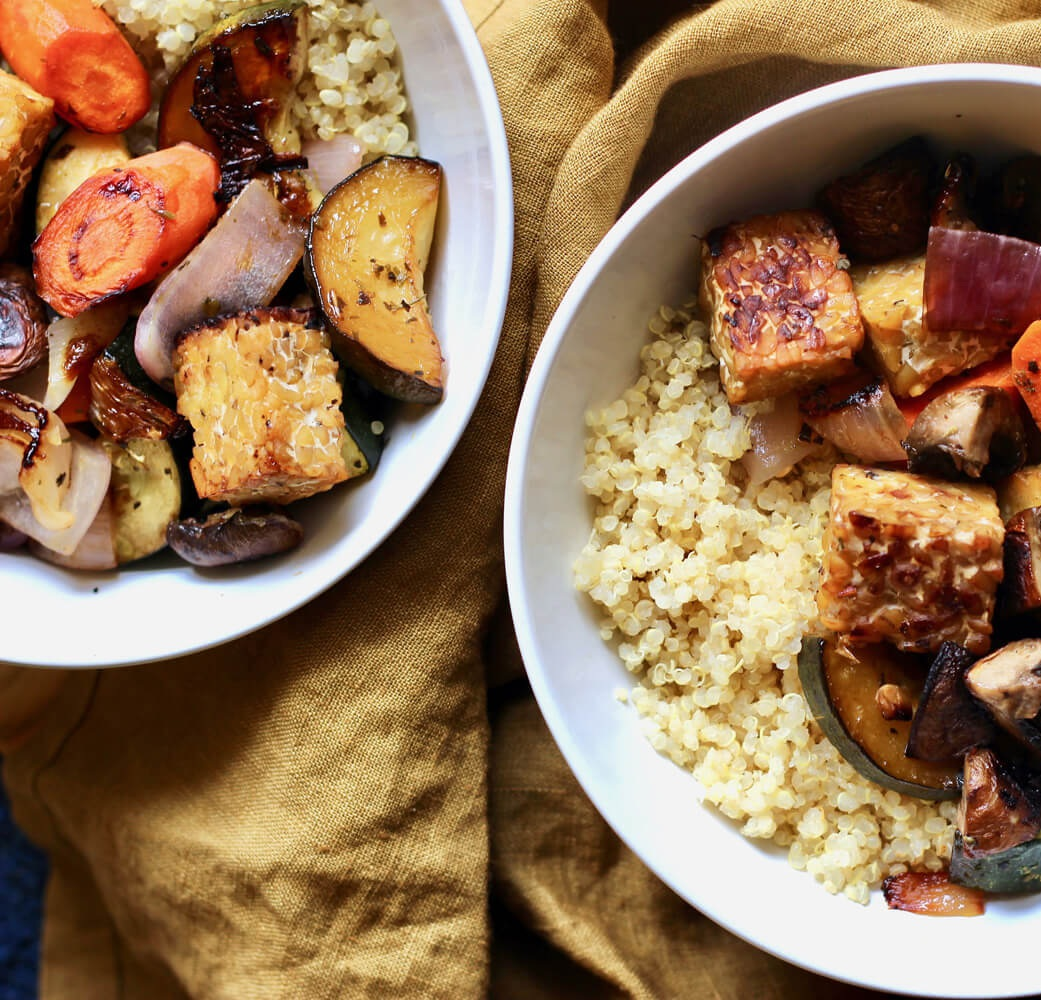
Gallbladder Diet (Plant-Based)
This comprehensive plant-based plan is designed to support gallbladder health and general well-being by prioritizing nutrient-dense, whole foods while strictly limiting ingredients that can trigger symptoms. The plan is naturally dairy-free, egg-free, and sugar-free, making it an excellent fit for vegan and vegetarian lifestyles, as well as those following a pescatarian approach. By focusing on specific nutrient ratios, this diet aims to optimize bile composition and reduce the burden on the gallbladder. These dietary adjustments are especially supportive for individuals with variations in the ABCG8 and ABCB4 genes, which play critical roles in transporting cholesterol and phospholipids into bile, as well as genes like ABCA1 and TNFRSF1B that influence cholesterol metabolism and inflammation regulation.
Research suggests that a balanced plant-based diet can play a protective role against gallbladder disease by improving bile quality and regulating gallbladder contractions. The evidence indicates that replacing saturated fats with healthy monounsaturated fats and fiber-rich plant proteins can significantly lower the risk of symptomatic gallstones. Key recommendations for this plan include:
- Adopt a Balanced Fat Profile: Limit saturated fat intake to less than 10 grams per day to reduce gallstone risk. Focus on consuming beneficial monounsaturated fats from olive oil and almond butter, and include omega-3 rich foods like chia seeds, flax seeds, and hemp seeds.
- Prioritize Plant Protein: Incorporate vegetarian protein sources such as tempeh, lentils, chickpeas, and nuts, which may help lower cholesterol levels and reduce disease symptoms.
- Increase Fiber Intake: Aim for up to 65 grams of daily fiber from legumes, fruits, vegetables, and whole grains to shorten intestinal transit time and support digestive health.
- Focus on Micronutrients: Ensure adequate intake of Vitamin C, calcium, magnesium, and folate through a diverse intake of fruits and vegetables to help prevent gallstone development.
- Reduce Sodium: Maintain a daily sodium intake of less than 1400 milligrams, drawing inspiration from DASH diet guidelines to support overall cardiovascular and metabolic health.
To customize this plan for your specific preferences, click the button below to access your PlexusDx meal planning tool. You can easily modify any meal to better fit your taste or dietary needs using our "Swap" feature. Follow these simple steps to find the perfect alternative:
- Locate the meal you wish to change in your planner.
- Click the three dots next to the meal name.
- Select “Swap recipe” from the menu.
- Choose “Swap” to change just that meal, or “Swap all” for recurring items.
- Keep clicking “Swap” to browse through alternatives that match your plan's rules (such as dairy-free, egg-free, or lower sodium options).
PlexusDx provides educational information about genetic predispositions only. This content is not medical advice. Always discuss genetic findings, test results, symptoms, and treatment decisions with your healthcare provider or an allergist to determine appropriate care for your situation.
Frequently Asked Questions About The Gallbladder Diet Plant-Based
What is a plant-based gallbladder diet, and who is it best for?
A plant-based gallbladder diet is a nutrient-dense eating plan designed to support gallbladder health while limiting ingredients that can trigger symptoms. This version is dairy-free, egg-free, and sugar-free, making it suitable for vegan and vegetarian lifestyles and also compatible with pescatarian preferences. It may be especially helpful for people with genetic variations in ABCG8 and ABCB4, which affect how cholesterol and phospholipids are transported into bile.
How does a plant-based diet help reduce gallstone risk?
Plant-based dietary patterns may support gallbladder health by improving bile quality and helping regulate gallbladder contractions. Replacing saturated fats with monounsaturated fats and increasing fiber-rich plant proteins can lower the risk of symptomatic gallstones. This approach also supports cholesterol management, which is important because cholesterol balance plays a key role in gallstone formation.
What foods and targets are recommended in the gallbladder diet?
The plan emphasizes a balanced fat profile (including monounsaturated fats like olive oil and almond butter, plus omega-3 sources such as chia, flax, and hemp), plant proteins (tempeh, lentils, chickpeas, and nuts), and high fiber intake (up to 65 grams/day). It also recommends focusing on micronutrients like vitamin C, calcium, magnesium, and folate, and reducing sodium to less than 1400 mg/day to support digestive and overall metabolic health.
What tests can help me learn more about Gallbladder Diet Plant-Based?
The Functional Health Genetic Test delivers over 750 personalized genetic insights across 10 in-depth genetic reports to support whole-body, systems-level health understanding. The Diet and Nutrition Genetic Report translates your results into personalized, actionable guidance. Your healthcare provider can also recommend targeted blood tests based on your specific pathway results and health history to complement your genetic insights with current biomarker data.
Medical and Editorial Standards
Medical review process: This article was reviewed for medical accuracy, scientific clarity, evidence alignment, and appropriate discussion of nutrition, genetics, biomarkers, and health-related claims.
Sources and evidence: PlexusDx educational content is developed using peer-reviewed research, clinical literature, and reputable medical references.
Important disclaimer: This content is for informational purposes only and is not a substitute for professional medical advice, diagnosis, or treatment. Always consult a qualified healthcare provider before making decisions about your diet, supplements, or health-related care.

Share:
Gastroesophageal Reflux Disease (GERD) Diet
Gastroesophageal Reflux Disease (GERD) Diet