
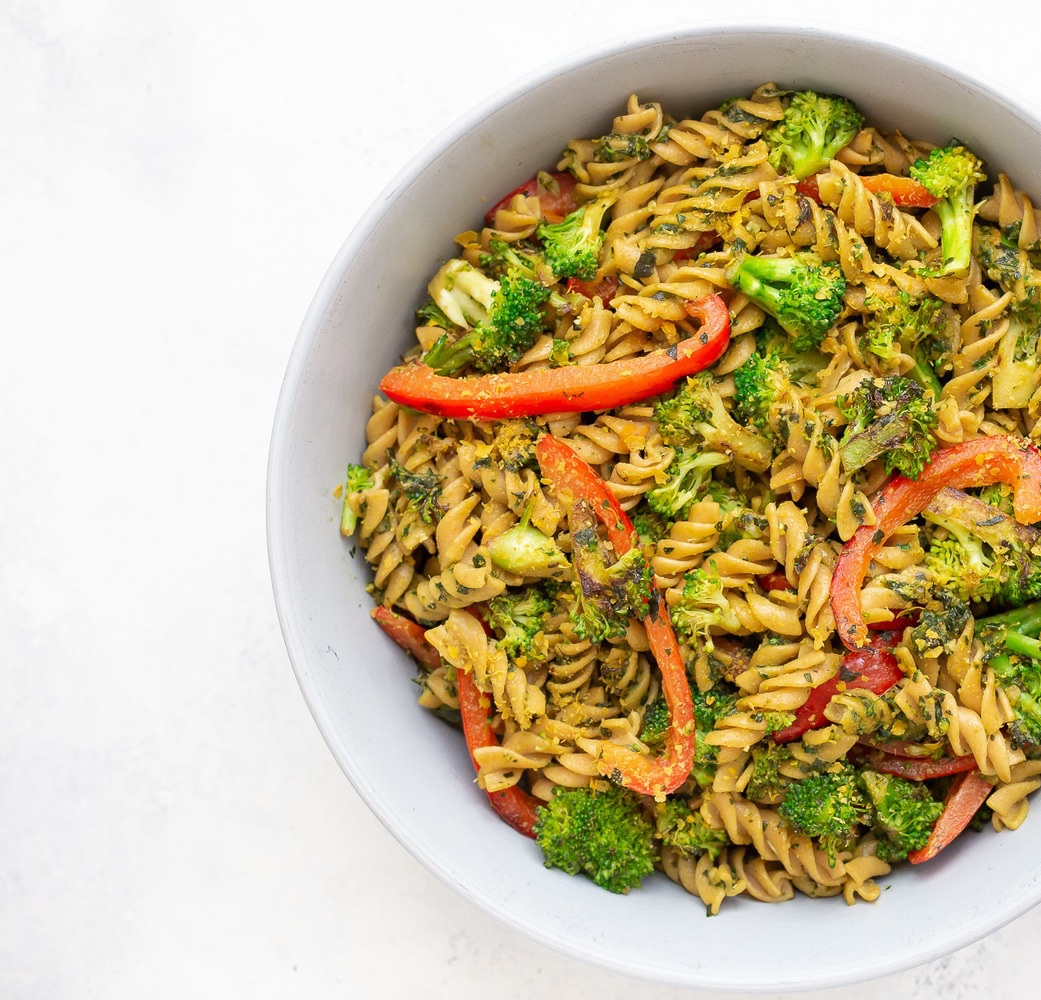
Gout Diet (Plant-Based)
This specialized plant-based plan is designed to lower the risk of recurrent gout attacks by focusing on low-purine nutrition and powerful anti-inflammatory foods. Naturally dairy-free, egg-free, gluten-free, sugar-free, and vegan, this protocol helps you avoid common dietary triggers while ensuring you receive adequate protein and micronutrients. By eliminating animal products and added sugars, the diet directly addresses the metabolic pathways involved in uric acid production. Your PlexusDx report provides a personalized look at this process, analyzing genes like XDH, which regulates how your body breaks down purines, and IL1A, which can influence your baseline inflammatory response. Understanding your genetic profile—including antioxidant markers like GPX1—can help you see why specific nutrient strategies, such as increasing Vitamin C or fiber, are essential for managing your unique physiology.
The core of this program relies on clinical evidence linking high-purine foods and added sugars to elevated uric acid levels. The recommendations below prioritize ingredients that actively support kidney function and reduce systemic inflammation. Key evidence-backed guidelines for this plan include:
- Prioritize Low Purine Proteins: Replace high-purine animal proteins with plant-based alternatives like soy products, quinoa, and chickpeas to prevent uric acid spikes.
- Increase Fiber Intake: Aim for up to 60 grams of daily fiber from vegetables, whole grains, nuts, and legumes to stimulate the production of short-chain fatty acids that help resolve inflammation.
- Boost Vitamin C: Include citrus fruits like oranges, lemons, and limes to support kidney filtration and help flush uric acid from the body.
- Eliminate Added Sugars: Strictly avoid sugar-sweetened beverages and high-fructose corn syrup, as fructose metabolism can rapidly increase uric acid production.
- Eat Tart Cherries: Consume cherries regularly for their anthocyanins, which offer potent antioxidant protection and are linked to a lower risk of gout attacks.
Ready to start? Click the button below to access your custom meal plan. If you need to adjust a suggestion to better fit your taste preferences or strict dietary needs, you can easily find an approved alternative using our "Swap" tool. Just follow this simple flow:
- Locate the meal you want to change on your daily view.
- Click the three dots in the corner of the meal card.
- Select "Swap recipe" from the menu.
- Choose "Swap" to change just that meal, or "Swap all" to replace it for the whole week.
- Keep clicking "Swap" to cycle through other delicious options that automatically match your plan’s rules (like GF/DF/sugar-free).
PlexusDx provides educational information about genetic predispositions only. This content is not medical advice. Always discuss genetic findings, test results, symptoms, and treatment decisions with your healthcare provider or an allergist to determine appropriate care for your situation.
Frequently Asked Questions About The Gout Diet Plant-Based
What foods help lower the risk of recurrent gout attacks on a plant-based, low-purine diet?
This plant-based gout plan focuses on low-purine nutrition and anti-inflammatory foods to help prevent uric acid spikes. It recommends prioritizing low-purine proteins like soy products, quinoa, and chickpeas, and avoiding high-purine foods and added sugars that can drive higher uric acid levels.
How do fiber, vitamin C, and tart cherries support gout management?
The plan encourages up to 60 grams of daily fiber from vegetables, whole grains, nuts, and legumes to support anti-inflammatory short-chain fatty acid production. It also boosts vitamin C intake through citrus fruits (oranges, lemons, limes) to support kidney filtration and uric acid flushing, and includes tart cherries for their antioxidant anthocyanins that are linked to a lower risk of gout attacks.
How does my genetics (like XDH and IL1A) influence which dietary strategies are most important?
Your report may highlight genetic factors involved in uric acid processing and inflammation. For example, XDH helps regulate how your body breaks down purines, while IL1A may affect baseline inflammatory response. The test can also point to antioxidant markers such as GPX1, which helps clarify why targeted nutrition choices—like increasing vitamin C and fiber—may be especially relevant for your individual physiology.
What tests can help me learn more about Gout Diet Plant-Based?
The Functional Health Genetic Test delivers over 750 personalized genetic insights across 10 in-depth genetic reports to support whole-body, systems-level health understanding. The Diet and Nutrition Genetic Report translates your results into personalized, actionable guidance. Your healthcare provider can also recommend targeted blood tests based on your specific pathway results and health history to complement your genetic insights with current biomarker data.
Share:
Gout Diet
Gut Health Diet