
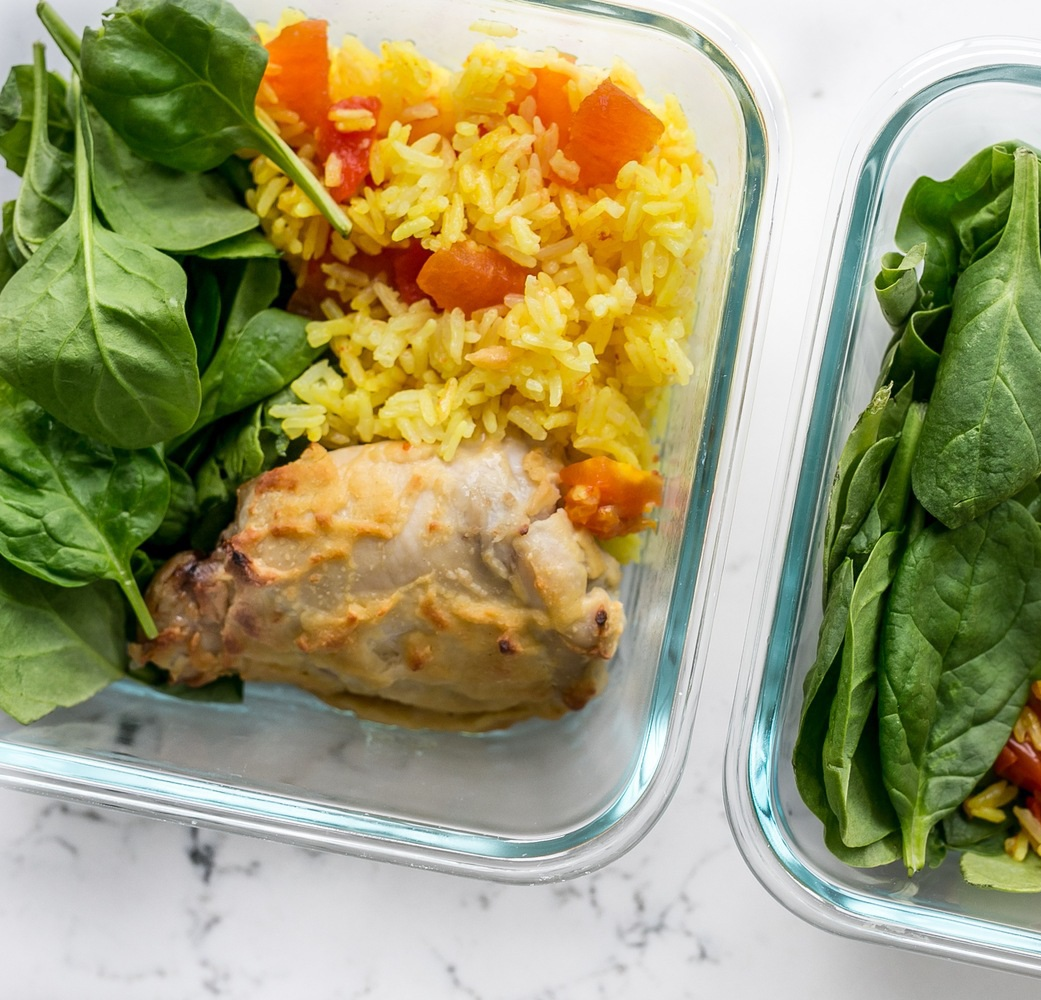
40-30-30 Weight Loss Diet
The 40-30-30 Weight Loss Diet is a structured approach to weight management designed to stabilize energy and maintain satiety through a specific macronutrient balance: approximately 40% carbohydrates, 30% protein, and 30% fat. Set at roughly 1,600 calories per day, this plan is fully compatible with gluten-free and soy-free requirements, making it a practical choice for those navigating these specific dietary restrictions while seeking sustainable weight loss. Beyond just calorie counting, this balance mirrors strategies often recommended for optimizing metabolic health based on genetic insights found in your PlexusDx report. For instance, the plan’s emphasis on protein aligns with the TCF7L2 gene, which can influence how your body utilizes protein for blood sugar regulation, while the moderate carbohydrate and fat ratios support metabolic pathways involving genes like PPARG. Additionally, the focus on nutrient density and steady energy release is designed to help counteract appetite signaling associated with genes such as FTO and MC4R, supporting you in managing hunger cues more effectively.
This program is built on four key evidence-based pillars: preserving lean muscle, enhancing digestion, supporting bone density, and boosting immune function. By prioritizing high-quality protein, the plan helps prevent the muscle loss that can sometimes accompany caloric restriction, while significant fiber intake promotes satiety and digestive health. To counter potential bone density reductions during weight loss, the meal plan is fortified with essential minerals, and immune health is targeted through antioxidant-rich whole foods. Key recommendations include:
- Prioritize High-Quality Protein: Consume 30% of your daily calories from sources like chicken, turkey, beef, lamb, and salmon to support muscle maintenance and hypertrophy.
- Maximize Fiber Intake: Aim for up to 35 grams of daily fiber from gluten-free sources such as fruits, vegetables, oats, beans, lentils, and whole grains to support lipid levels and digestion.
- Support Bone Health: Ensure adequate intake of calcium and magnesium (over 1,000 mg and 400 mg respectively) through foods like cottage cheese, Greek yogurt, salmon, chia seeds, and spinach.
- Boost Immune Function: Incorporate zinc and selenium-rich foods like beef, yogurt, and rice, alongside Vitamin C sources such as berries, broccoli, and cabbage to maintain immune resilience.
Ready to get started? Click the button below to access the PlexusDx meal planning tool. If you need to adjust a specific meal to better fit your preferences or pantry, you can easily find alternatives that match the plan’s rules using our "Swap" feature. Just follow these steps:
- Locate the meal you want to change.
- Click the three dots next to the meal name.
- Select “Swap recipe” from the menu.
- Choose “Swap” for a single meal or “Swap all” to replace it for the week.
- Keep clicking “Swap” to browse through alternatives that match the plan's gluten-free and soy-free requirements.
PlexusDx provides educational information about genetic predispositions only. This content is not medical advice. Always discuss genetic findings, test results, symptoms, and treatment decisions with your healthcare provider or an allergist to determine appropriate care for your situation.
Frequently Asked Questions About The 40-30-30 Weight Loss Diet
What is the 40-30-30 Weight Loss Diet and how many calories does it use?
The 40-30-30 Weight Loss Diet is a structured weight management plan designed to support steady energy and satiety using an approximate macronutrient balance of 40% carbohydrates, 30% protein, and 30% fat, typically set around 1,600 calories per day.
Is the 40-30-30 Weight Loss Diet gluten-free and soy-free?
Yes. The plan is designed to be compatible with gluten-free and soy-free requirements, making it a practical option if you need to avoid both gluten and soy while still following a consistent calorie and macronutrient framework.
How does the diet support muscle, digestion, bone health, and immune function?
The diet focuses on four evidence-based pillars: preserving lean muscle by emphasizing high-quality protein (about 30% of calories), enhancing digestion and satiety through higher fiber intake (up to 35 grams/day), supporting bone density with adequate calcium and magnesium (over 1,000 mg calcium and 400 mg magnesium), and boosting immune function with antioxidant-rich foods plus zinc and selenium (and vitamin C sources) from whole foods.
What tests can help me learn more about 40-30-30 Weight Loss Diet?
The Functional Health Genetic Test delivers over 750 personalized genetic insights across 10 in-depth genetic reports to support whole-body, systems-level health understanding. The Diet and Nutrition Genetic Report translates your results into personalized, actionable guidance. Your healthcare provider can also recommend targeted blood tests based on your specific pathway results and health history to complement your genetic insights with current biomarker data.
Medical and Editorial Standards
Sources and evidence: PlexusDx educational content is developed using peer-reviewed research, clinical literature, and reputable medical references.
Important disclaimer: This content is for informational purposes only and is not a substitute for professional medical advice, diagnosis, or treatment. Always consult a qualified healthcare provider before making decisions about your diet, supplements, or health-related care.

Share:
ADHD Diet (Plant-Based)
ADHD Diet (Plant-Based)