
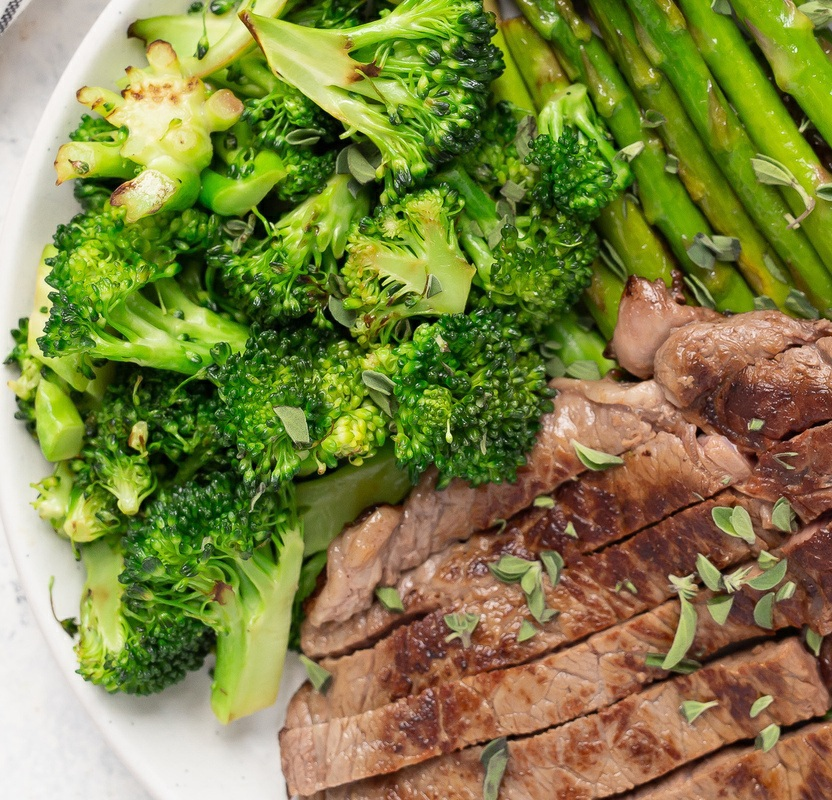
Low Histamine Diet: Week 3
Welcome to Week 3 of your four-week journey toward better histamine balance. This simplified, delicious plan is designed to support clients managing histamine intolerance by removing high-histamine triggers while providing a wide variety of colorful, nutrient-dense meals. We have carefully structured this week to be gluten-free, soy-free, nut-free, and egg-free, ensuring that common allergens and histamine liberators are minimized. By focusing on fresh ingredients and proper storage, this plan directly addresses the needs highlighted in your PlexusDx report. It specifically targets pathways involving genes like AOC1 (which produces the DAO enzyme for digestive histamine breakdown) and HNMT (responsible for clearing histamine in other tissues), as well as receptor sensitivity genes like HRH1. These genetic insights help explain why choosing fresh, additive-free foods is critical for managing symptoms like digestive discomfort or flushing.
The science behind this program emphasizes that histamine levels in food increase over time and with certain processing methods. Therefore, our evidence-backed strategy relies on consuming foods as fresh as possible and avoiding those that have been fermented, aged, or heavily processed. We also prioritize whole fruits and vegetables with their peels intact to protect against microbial growth that drives histamine production. To help you succeed, here are the core principles for this week:
- Prioritize Whole Foods: Use whole, unpeeled fresh fruits and vegetables. Peels protect produce from bacteria that produce histamine; prepare them close to eating time.
- Avoid Fermented & Aged Foods: Eliminate high-histamine sources such as aged cheeses, yogurt, sauerkraut, soy products, and alcoholic beverages, as fermentation significantly increases histamine levels.
- Choose Fresh Protein: Stick to freshly cooked meat, poultry, and fish. Avoid shellfish, as well as frozen, smoked, canned, or cured meats which are high in histamine.
- Go Additive-Free: This plan removes artificial flavorings, colors (like tartrazine), and preservatives (like benzoates and sulfites) that can trigger histamine release.
- Remain Egg-Free: Eggs are excluded because they can trigger histamine release or inhibit the enzymes needed to break it down, which may aggravate intolerance symptoms.
If you find a meal in this week’s plan that doesn’t quite match your current cravings or pantry stock, you can easily find a suitable alternative using our smart meal planning tool. Click the button below to access your dashboard, where you can browse thousands of recipes that fit your specific filter requirements. To make a change, simply follow these steps:
- Locate the meal you wish to change on your planner.
- Click the three dots next to the meal name.
- Select “Swap recipe” from the menu options.
- Choose “Swap” to change just that meal, or “Swap all” to replace it for the whole week.
- Keep clicking “Swap” to cycle through alternatives that match plan rules like gluten-free, egg-free, and low histamine.
PlexusDx provides educational information about genetic predispositions only. This content is not medical advice. Always discuss genetic findings, test results, symptoms, and treatment decisions with your healthcare provider or an allergist to determine appropriate care for your situation.
Frequently Asked Questions About The Low Histamine Diet, Week 3
What is a Low Histamine Diet, and what makes Week 3 different?
Week 3 is a simplified, four-week plan designed to help people managing histamine intolerance by removing common high-histamine triggers while focusing on fresh, nutrient-dense meals. This week’s menu is gluten-free, soy-free, nut-free, and egg-free, and it emphasizes additive-free foods and proper storage to reduce symptoms tied to histamine balance.
How do AOC1, HNMT, and HRH1 genetics relate to histamine intolerance?
Your plan targets pathways linked to AOC1 (DAO enzyme involved in digestive histamine breakdown), HNMT (histamine clearance in other tissues), and HRH1 (histamine receptor sensitivity). These genetic insights help explain why food choices—especially avoiding fermented, aged, and heavily processed foods—can be critical for reducing digestive discomfort or flushing.
What foods should I avoid on the Low Histamine Diet Week 3 plan?
Avoid fermented and aged foods such as aged cheeses, yogurt, sauerkraut, soy products, and alcoholic beverages, since fermentation increases histamine levels. Also skip shellfish and processed meats (frozen, smoked, canned, or cured), and choose additive-free options by avoiding artificial flavorings, colors (e.g., tartrazine), and preservatives like benzoates and sulfites. Whole, unpeeled fresh fruits and vegetables are prioritized, prepared close to eating time.
What tests can help me learn more about Low Histamine Diet, Week 3?
The Functional Health Genetic Test delivers over 750 personalized genetic insights across 10 in-depth genetic reports to support whole-body, systems-level health understanding. The Diet and Nutrition Genetic Report translates your results into personalized, actionable guidance. Your healthcare provider can also recommend targeted blood tests based on your specific pathway results and health history to complement your genetic insights with current biomarker data.
Medical and Editorial Standards
Sources and evidence: PlexusDx educational content is developed using peer-reviewed research, clinical literature, and reputable medical references.
Important disclaimer: This content is for informational purposes only and is not a substitute for professional medical advice, diagnosis, or treatment. Always consult a qualified healthcare provider before making decisions about your diet, supplements, or health-related care.

Share:
Low Histamine Diet, Week 2
Low Histamine Diet, Week 2