
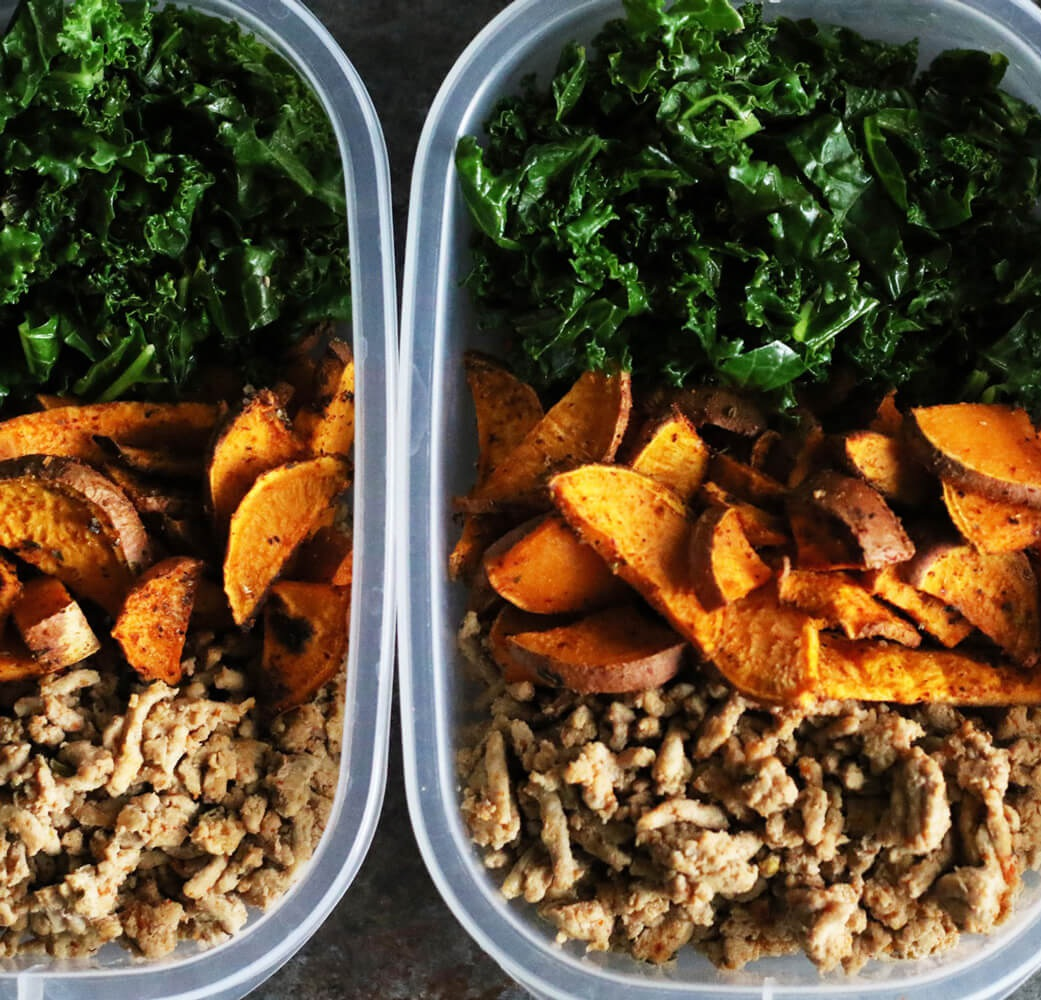
High Energy Diet
The High Energy Diet is a robust nutritional strategy designed to fuel individuals with elevated caloric demands, providing approximately 2,100 to 2,300 calories and over 100 grams of protein daily. Ideally suited for those needing to support active lifestyles or higher metabolic rates, this plan focuses on nutrient-dense whole foods while strictly adhering to gluten-free and dairy-free protocols. By eliminating common irritants like gluten and dairy, the menu helps reduce potential digestive stress while maximizing nutrient absorption. This approach directly complements insights from your PlexusDx report, particularly for genes like FTO and MC4R, which influence appetite regulation and satiety, as well as ADRB2 and UCP1, which play roles in energy expenditure, thermogenesis, and muscle metabolism. Rather than relying on empty calories, this diet strategically pairs macronutrients to support sustained energy and muscle preservation, harmonizing your daily intake with your body’s unique genetic metabolic framework.
This program is grounded in evidence-based nutrition principles that prioritize energy density without compromising metabolic health. The meal plan ensures that increased caloric intake is met with quality nutrients that support steady blood sugar levels and inflammation management. Key recommendations include:
- Energy Needs: Reach daily requirements through balanced meals where carbohydrate sources are paired with healthy fats and proteins to create a steady, sustained release of energy throughout the day.
- Low Glycemic Carbohydrates: Focus on low glycemic foods like vegetables, legumes, and whole grains to optimize blood sugar and insulin levels, providing up to 45 grams of fiber daily.
- High-Quality Protein: Consume over 100 grams of protein per day from digestible sources such as chicken, salmon, turkey, beef, eggs, and quinoa to support muscle strength, hypertrophy, and recovery.
- Omega-3 Fats: Incorporate anti-inflammatory fats from salmon, nut butters, nuts, and seeds to support cardiovascular health and cognitive function.
To customize this high-calorie plan to your specific tastes or dietary needs, click the button below to access the PlexusDx meal planning tool. You can easily modify any suggestion to better fit your preferences while staying within the diet's guidelines. Follow these simple steps to find the perfect alternative:
- Locate the meal you wish to change in your planner.
- Click the three dots associated with that meal card.
- Select “Swap recipe” from the dropdown menu.
- Choose “Swap” to change just that single meal, or “Swap all” to replace it across the entire plan.
- Keep clicking “Swap” to cycle through delicious alternatives that match strict rules like gluten-free, dairy-free, or egg-free.
PlexusDx provides educational information about genetic predispositions only. This content is not medical advice. Always discuss genetic findings, test results, symptoms, and treatment decisions with your healthcare provider or an allergist to determine appropriate care for your situation.
Frequently Asked Questions About The High Energy Diet
What is the High Energy Diet and who is it designed for?
The High Energy Diet is a nutrition plan designed for people with higher caloric demands, targeting about 2,100–2,300 calories and over 100 grams of protein daily. It’s intended to support active lifestyles or elevated metabolic needs by using nutrient-dense whole foods rather than empty calories, helping fuel energy while supporting muscle preservation and recovery.
How does the High Energy Diet manage blood sugar, inflammation, and digestion?
This diet emphasizes steady blood sugar by pairing carbohydrate sources with healthy fats and proteins for a sustained energy release throughout the day. It uses low glycemic carbohydrates (like vegetables, legumes, and whole grains) and aims to reach up to 45 grams of fiber daily. It also follows gluten-free and dairy-free rules to help reduce potential digestive stress while prioritizing anti-inflammatory omega-3 fats from foods such as salmon, nuts, seeds, and nut butters.
How can I customize the High Energy Diet while keeping it gluten-free and dairy-free?
Use the PlexusDx meal planning tool to personalize meals while staying within the diet’s strict guidelines. In the planner, locate the meal card you want to change, click the three dots, select “Swap recipe,” then choose “Swap” to replace that single meal or “Swap all” to replace it across the entire plan. Keep swapping to find alternatives that match rules such as gluten-free and dairy-free (and other options like egg-free, if needed).
What tests can help me learn more about High Energy Diet?
The Functional Health Genetic Test delivers over 750 personalized genetic insights across 10 in-depth genetic reports to support whole-body, systems-level health understanding. The Diet and Nutrition Genetic Report translates your results into personalized, actionable guidance. Your healthcare provider can also recommend targeted blood tests based on your specific pathway results and health history to complement your genetic insights with current biomarker data.
Medical and Editorial Standards
Sources and evidence: PlexusDx educational content is developed using peer-reviewed research, clinical literature, and reputable medical references.
Important disclaimer: This content is for informational purposes only and is not a substitute for professional medical advice, diagnosis, or treatment. Always consult a qualified healthcare provider before making decisions about your diet, supplements, or health-related care.

Share:
High Calorie, High Protein Diet
High Calorie, High Protein Diet