
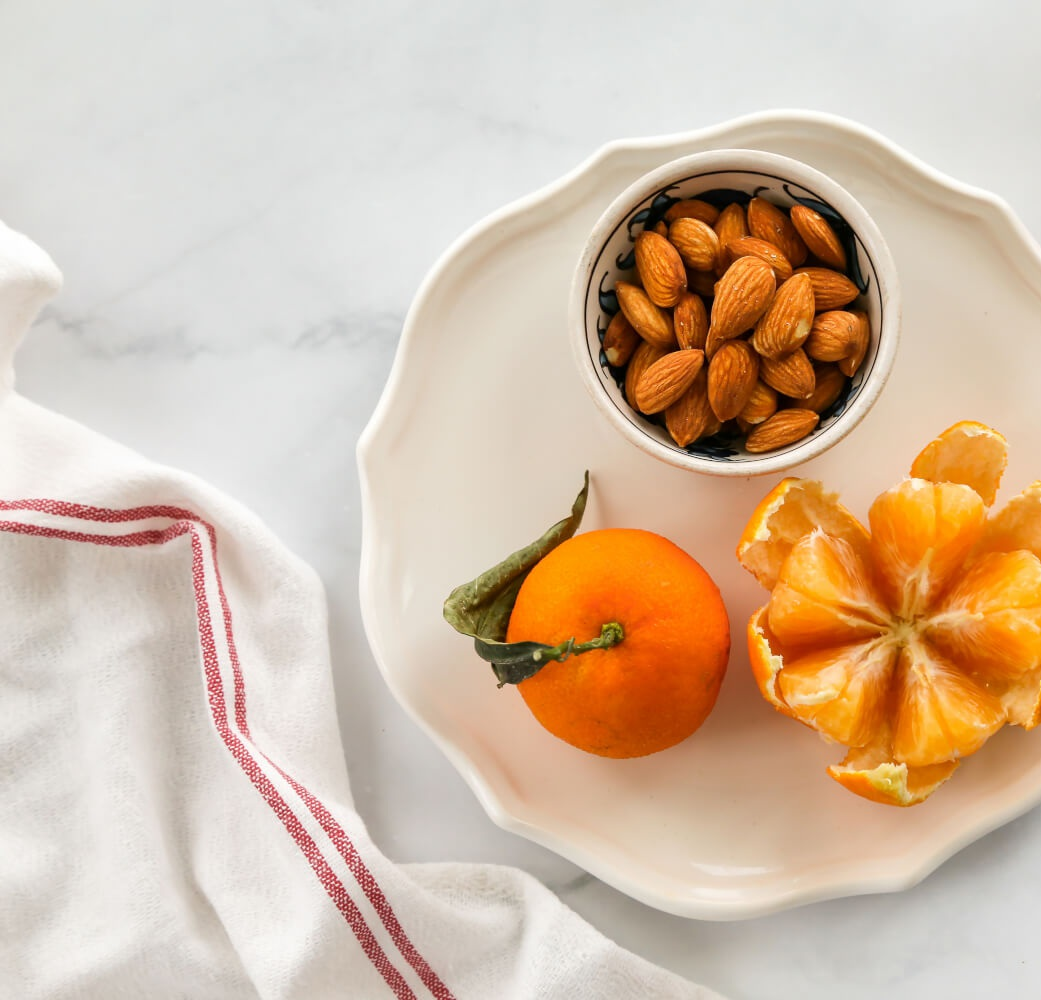
Gallbladder Diet
The Gallbladder Diet is a nutrient-dense approach designed to support overall gallbladder health and help manage symptoms associated with gallbladder disease. By focusing on specific nutrient balances, this plan aims to improve bile quality and regulate gallbladder contractions, which is essential for preventing stone formation and maintaining digestive comfort. This particular version of the plan is strictly soy-free and sugar-free, removing common inflammatory triggers that can exacerbate digestive stress. These dietary strategies align closely with insights from your PlexusDx report, particularly regarding genes like ABCG8 and ABCB4, which influence how your body transports cholesterol and phospholipids into bile. By prioritizing foods that support efficient lipid metabolism and bile composition, this diet works in harmony with your genetic predispositions to promote long-term digestive wellness.
Research suggests that a balanced diet plays a pivotal role in preventing gallstone disease and managing gallbladder health. Evidence indicates that while high intakes of saturated fat can increase risk, consuming healthy monounsaturated fats and omega-3s offers a protective effect. Additionally, fiber and lean proteins are known to lower the risk of symptomatic gallstone disease by influencing intestinal transit time and cholesterol levels. Based on these findings, this program includes the following key recommendations:
- Limit Saturated Fats: Keep saturated fat intake below 15 grams per day to reduce gallstone risk.
- Prioritize Healthy Fats: Focus on monounsaturated fats from olive oil and almond butter, as well as omega-3 fatty acids from sources like salmon and flax seeds.
- Choose Lean Proteins: Opt for lean animal proteins such as chicken breast and salmon, or plant-based alternatives like black beans and chickpeas.
- Increase Fiber Intake: Aim for up to 50 grams of daily fiber from legumes, fruits, vegetables, and whole grains to support digestive health.
- Focus on Micronutrients: Ensure adequate intake of Vitamin C, calcium, magnesium, and folate through a variety of fruits, nuts, and vegetables to help prevent stone development.
- Reduce Sodium: Maintain a daily sodium intake of less than 1300 milligrams, drawing inspiration from heart-healthy guidelines like the DASH diet.
Your PlexusDx report pairs these insights with a powerful meal planning tool designed to make sticking to your plan effortless. If you encounter a meal that doesn't fit your preferences or needs adjustment, you can easily find a suitable replacement using the "Swap" feature. Follow these steps to customize your weekly menu:
- Locate the meal
- Click the three dots
- Select “Swap recipe”
- Choose “Swap” vs “Swap all”
- Keep clicking “Swap” to find alternatives that match plan rules like GF/DF/egg-free
PlexusDx provides educational information about genetic predispositions only. This content is not medical advice. Always discuss genetic findings, test results, symptoms, and treatment decisions with your healthcare provider or an allergist to determine appropriate care for your situation.
Frequently Asked Questions About The Gallbladder Diet
What is the soy-free, sugar-free Gallbladder Diet designed to do?
The Gallbladder Diet is a nutrient-dense plan created to support gallbladder health and help manage symptoms linked to gallbladder disease. By improving bile quality and regulating gallbladder contractions, it aims to support digestive comfort and help reduce the risk of stone formation. This version is strictly soy-free and sugar-free to remove common inflammatory triggers that may worsen digestive stress.
How do nutrition choices in the Gallbladder Diet help lower gallstone risk?
Research suggests diet patterns can influence gallstone disease risk. This plan recommends limiting saturated fat (below 15 grams per day), prioritizing healthy monounsaturated fats and omega-3s, choosing lean proteins, and increasing fiber (up to 50 grams daily) to support digestive health and help manage cholesterol and intestinal transit time—factors associated with symptomatic gallstone risk.
How can I customize meals if they don’t fit the Gallbladder Diet rules?
Use the meal planning tool’s “Swap” feature to replace meals that don’t match your preferences or requirements. Steps include: locate the meal, click the three dots, select “Swap recipe,” choose “Swap” vs “Swap all,” then keep swapping until you find options that fit plan rules (such as GF/DF/egg-free). PlexusDx educational content is not medical advice—talk with your healthcare provider or an allergist about test results, symptoms, and next steps.
What tests can help me learn more about Gallbladder Diet?
The Functional Health Genetic Test delivers over 750 personalized genetic insights across 10 in-depth genetic reports to support whole-body, systems-level health understanding. The Diet and Nutrition Genetic Report translates your results into personalized, actionable guidance. Your healthcare provider can also recommend targeted blood tests based on your specific pathway results and health history to complement your genetic insights with current biomarker data.
Medical and Editorial Standards
Sources and evidence: PlexusDx educational content is developed using peer-reviewed research, clinical literature, and reputable medical references.
Important disclaimer: This content is for informational purposes only and is not a substitute for professional medical advice, diagnosis, or treatment. Always consult a qualified healthcare provider before making decisions about your diet, supplements, or health-related care.

Share:
Elimination Diet
Elimination Diet