
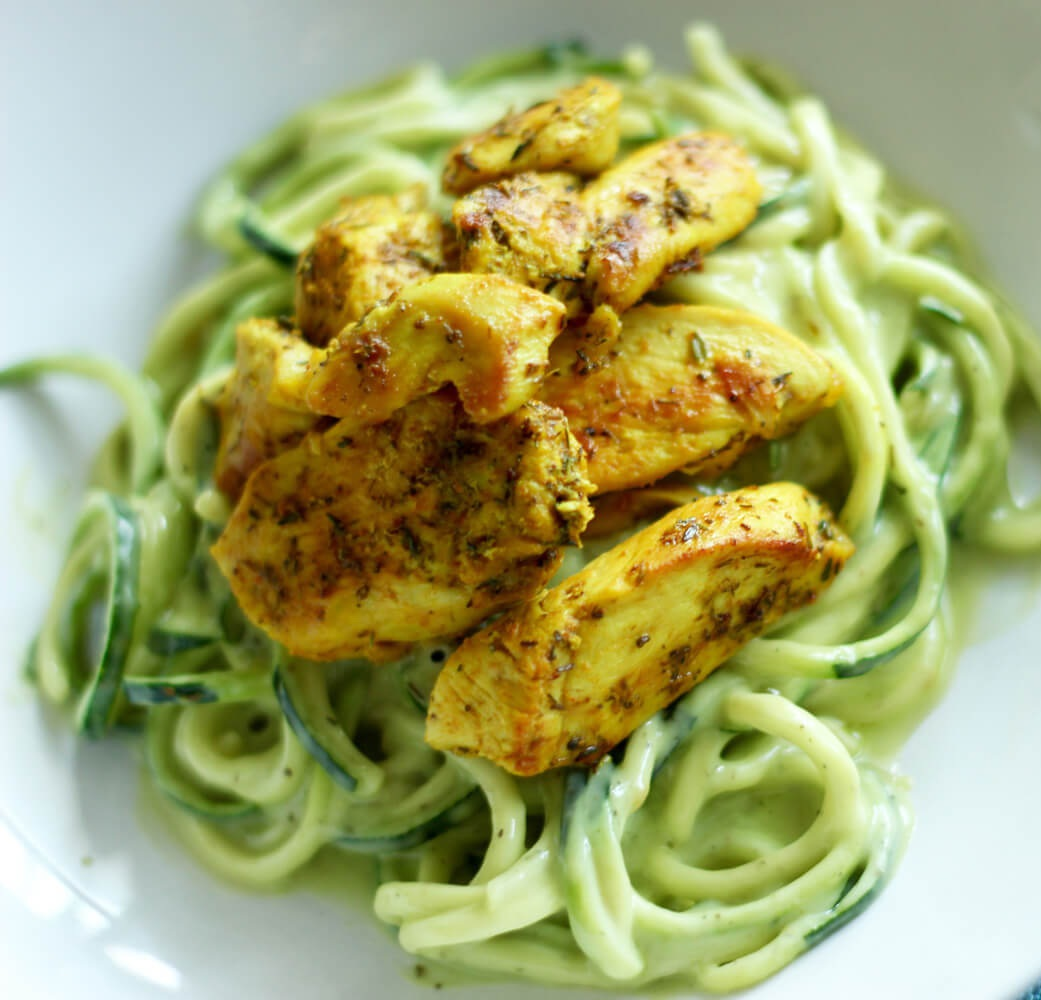
The Thyroid Health Diet: Nourishing Your Metabolic Engine
This ultra-nourishing meal plan is carefully designed to show a sluggish thyroid some love, supporting the complex biological machinery that regulates your energy, metabolism, and mood. By adhering to strict dairy-free, gluten-free, and soy-free standards, this protocol minimizes common dietary triggers that can interfere with optimal gland function while flooding your body with targeted nutrients. Your PlexusDx report highlights genes like DIO1 and DIO2, which are critical for converting inactive thyroid hormone (T4) into the active form (T3) that your cells actually use for energy. Additionally, genes such as TSHR and PTPN22 play roles in thyroid signaling and immune system regulation, processes that rely heavily on the specific micronutrients emphasized in this plan. This approach isn't just about restriction; it is about providing the essential building blocks—like selenium and iodine—that your specific genetic pathways require to function smoothly.
Evidence-Based Nutrition for Thyroid Support
The Thyroid Health Diet focuses on minimizing inflammation while maximizing the availability of co-factors required for hormone synthesis and conversion. The plan integrates healing foods such as bone broth and coconut fat with nutrient-dense seafood and greens to support the thyroid-pituitary axis. Based on the evidence provided in your program, here are the key recommendations:
- Prioritize Iodine Sources: Include foods like dulse, nori, salmon, and shrimp to support thyroid hormone synthesis and provide protective benefits.
- Boost Selenium Intake: Consume Brazil nuts, turkey, chicken, and eggs to meet daily allowances, supporting hormone metabolism and autoimmune regulation.
- Maintain Magnesium Levels: Eat chia seeds, bananas, avocados, and broccoli to support hormonal health and potentially reduce risks associated with hypothyroidism.
- Focus on Bone Health: Ensure adequate calcium and phosphorus intake through salmon, kale, broccoli, and fortified beverages to support parathyroid function.
- Optimize Iron Absorption: Pair iron-rich foods like lamb, poultry, spinach, and quinoa with vitamin C sources to prevent common deficiencies linked to thyroid disease.
Customize Your Meal Plan
Ready to get started? Click the button below to access your personalized PlexusDx meal planning tool. If you need to adjust a meal to better fit your preferences or pantry, you can easily find a suitable replacement that aligns with your genetic needs. Just follow this simple "Swap" flow:
- Locate the meal you wish to change on your daily planner.
- Click the three dots (…) on the recipe card.
- Select “Swap recipe” from the dropdown menu.
- Choose whether to “Swap” just this meal or “Swap all” occurrences of it.
- Keep clicking “Swap” to cycle through alternatives that match plan rules like gluten-free, dairy-free, and soy-free.
PlexusDx provides educational information about genetic predispositions only. This content is not medical advice. Always discuss genetic findings, test results, symptoms, and treatment decisions with your healthcare provider or an allergist to determine appropriate care for your situation.
Frequently Asked Questions About The Thyroid Health Diet
What foods are emphasized in the Thyroid Health Diet to support hormone function?
The Thyroid Health Diet is designed to support thyroid hormone synthesis and conversion by emphasizing iodine sources (dulse, nori, salmon, shrimp), selenium-rich foods (Brazil nuts, turkey, chicken, eggs), magnesium-supporting foods (chia seeds, bananas, avocados, broccoli), calcium/phosphorus for bone support (salmon, kale, broccoli, fortified beverages), and iron-rich foods paired with vitamin C (lamb, poultry, spinach, quinoa with vitamin C sources). This approach aims to improve the availability of key nutrients involved in thyroid health.
How do DIO1 and DIO2 genes relate to thyroid health in this meal plan?
DIO1 and DIO2 are highlighted because they help convert inactive thyroid hormone (T4) into the active form (T3) that your cells use for energy. The diet’s nutrient strategy is intended to support the biological pathways involved in this conversion, helping your metabolic engine and energy regulation function more smoothly. Your PlexusDx report uses this genetic context to guide targeted nutrition priorities.
How do I customize meals to stay dairy-free, gluten-free, and soy-free?
You can customize your daily planner using the PlexusDx “Swap” flow: locate the meal you want to change, click the three dots (…) on the recipe card, select “Swap recipe,” choose “Swap” for that meal or “Swap all” occurrences, and keep selecting alternatives that match the plan rules (gluten-free, dairy-free, soy-free). This helps you maintain the diet standards while aligning recipes with your genetic needs.
What tests can help me learn more about Thyroid Health Diet?
The Functional Health Genetic Test delivers over 750 personalized genetic insights across 10 in-depth genetic reports to support whole-body, systems-level health understanding. The Diet and Nutrition Genetic Report translates your results into personalized, actionable guidance. Your healthcare provider can also recommend targeted blood tests based on your specific pathway results and health history to complement your genetic insights with current biomarker data.
Medical and Editorial Standards
Sources and evidence: PlexusDx educational content is developed using peer-reviewed research, clinical literature, and reputable medical references.
Important disclaimer: This content is for informational purposes only and is not a substitute for professional medical advice, diagnosis, or treatment. Always consult a qualified healthcare provider before making decisions about your diet, supplements, or health-related care.

Share:
Sugar-Free Paleo Diet
Whole Food Plant Based Diet