Frequently Asked Questions

What blood biomarkers should women monitor for overall health?

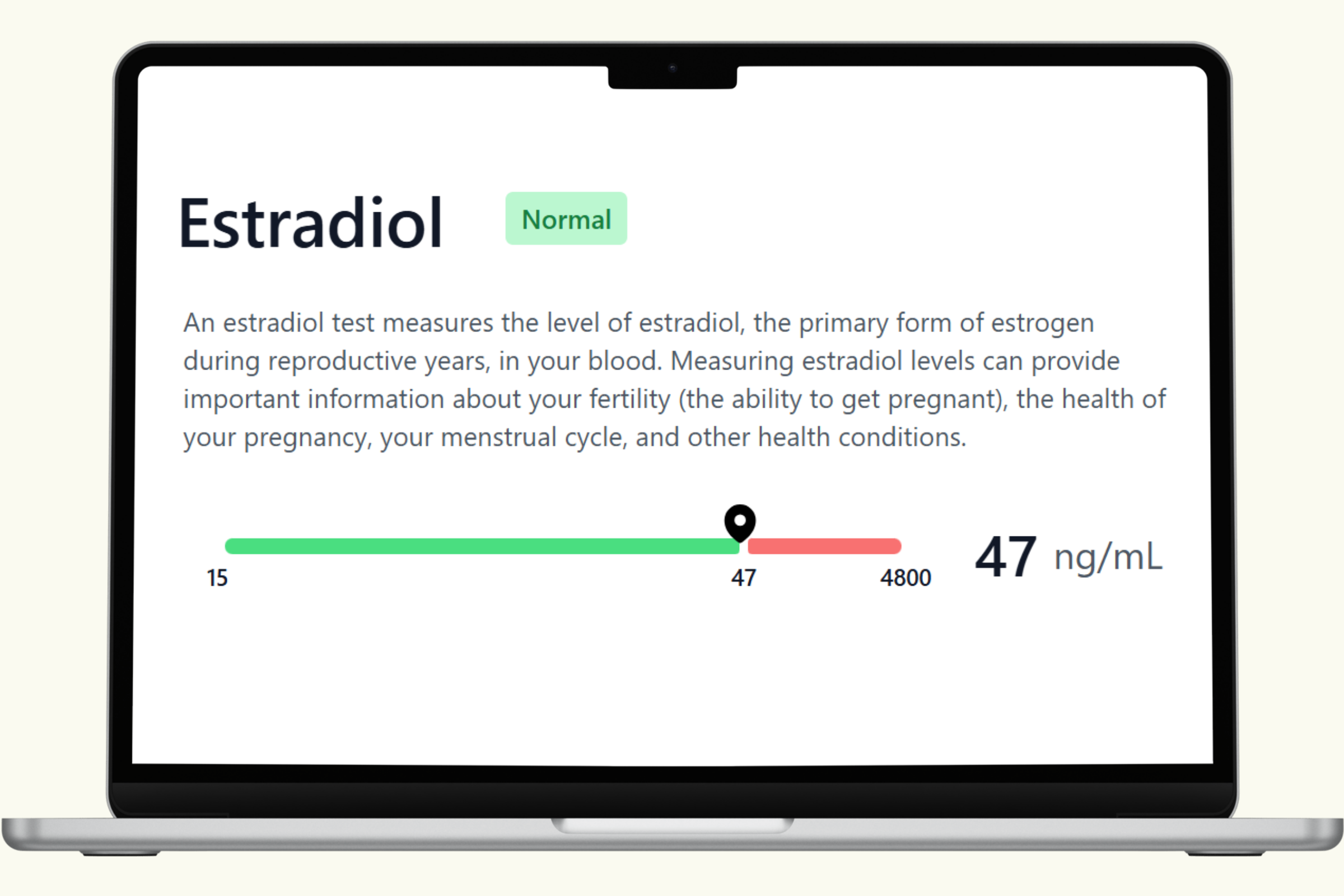
A comprehensive women's wellness panel covers several interconnected systems. Thyroid markers (TSH, Free T3, Free T4) assess metabolism and energy. A full lipid panel evaluates cardiovascular risk. CBC identifies anemia and immune status. Key nutrients — Vitamin D, B12, ferritin, and folate — affect energy, cognition, and reproductive health. Hormones including estradiol and DHEA-S complete the picture. Monitoring these together reveals patterns individual tests often miss.

How does thyroid function affect women's energy, weight, and mood?

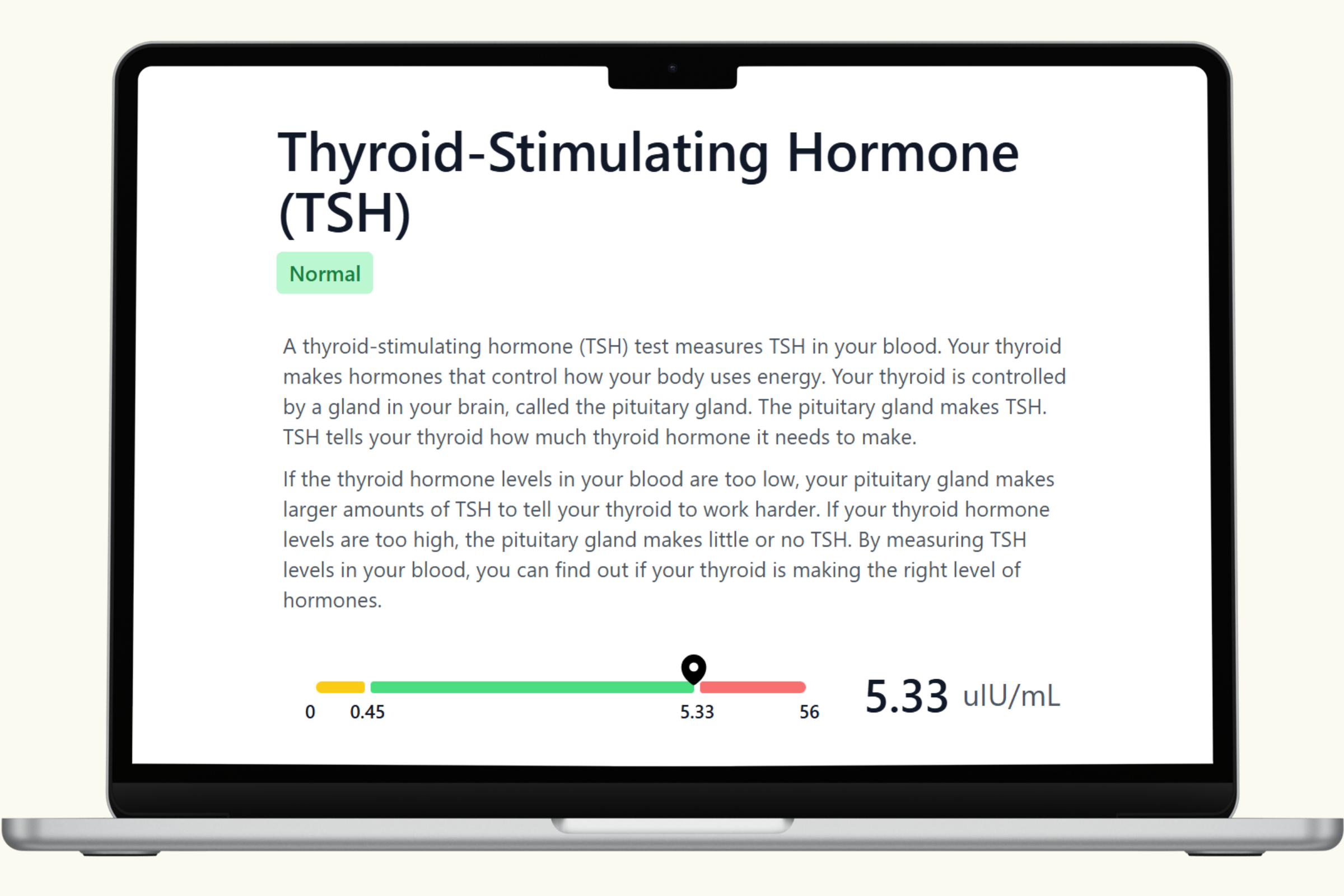
The thyroid regulates metabolic rate, body temperature, and energy production, making it central to how women feel day to day. Low thyroid function slows metabolism, causing fatigue, weight gain, brain fog, and depression. High function accelerates it, causing anxiety, heat intolerance, and weight loss. TSH alone can miss early dysfunction — Free T3 and Free T4 provide a more complete picture of actual thyroid hormone availability.

What does a CBC reveal in a women's wellness blood panel?

A Complete Blood Count measures red blood cells, white blood cells, hemoglobin, hematocrit, and platelets. For women, the most significant finding is often iron-deficiency anemia — low hemoglobin and MCV indicating insufficient iron for red blood cell production, frequently caused by menstrual blood loss or low dietary iron. CBC also screens for immune abnormalities and inflammatory states that can underlie persistent fatigue or recurrent illness.

Why is Vitamin D so commonly deficient in women and why does it matter?

Vitamin D deficiency is prevalent because few foods contain meaningful amounts, sun exposure is limited in many climates, and VDR genetic variants reduce receptor sensitivity in a significant portion of the population. In women, low Vitamin D is linked to osteoporosis, mood disorders, immune dysfunction, and pregnancy complications. Optimal functional levels are generally higher than the clinical deficiency threshold, making testing essential for accurate supplementation.

How often should women get a comprehensive wellness blood panel?

Annual testing is a reasonable baseline for most healthy women. More frequent monitoring — every 3–6 months — is appropriate when managing a health condition, adjusting supplements, or tracking recovery from deficiency. Key transition periods warranting additional testing include perimenopause, postpartum recovery, and significant dietary changes. At-home testing makes more frequent monitoring practical without clinic visits, enabling genuinely proactive health management.