Frequently Asked Questions

Which nutrient deficiencies can be detected through blood testing?

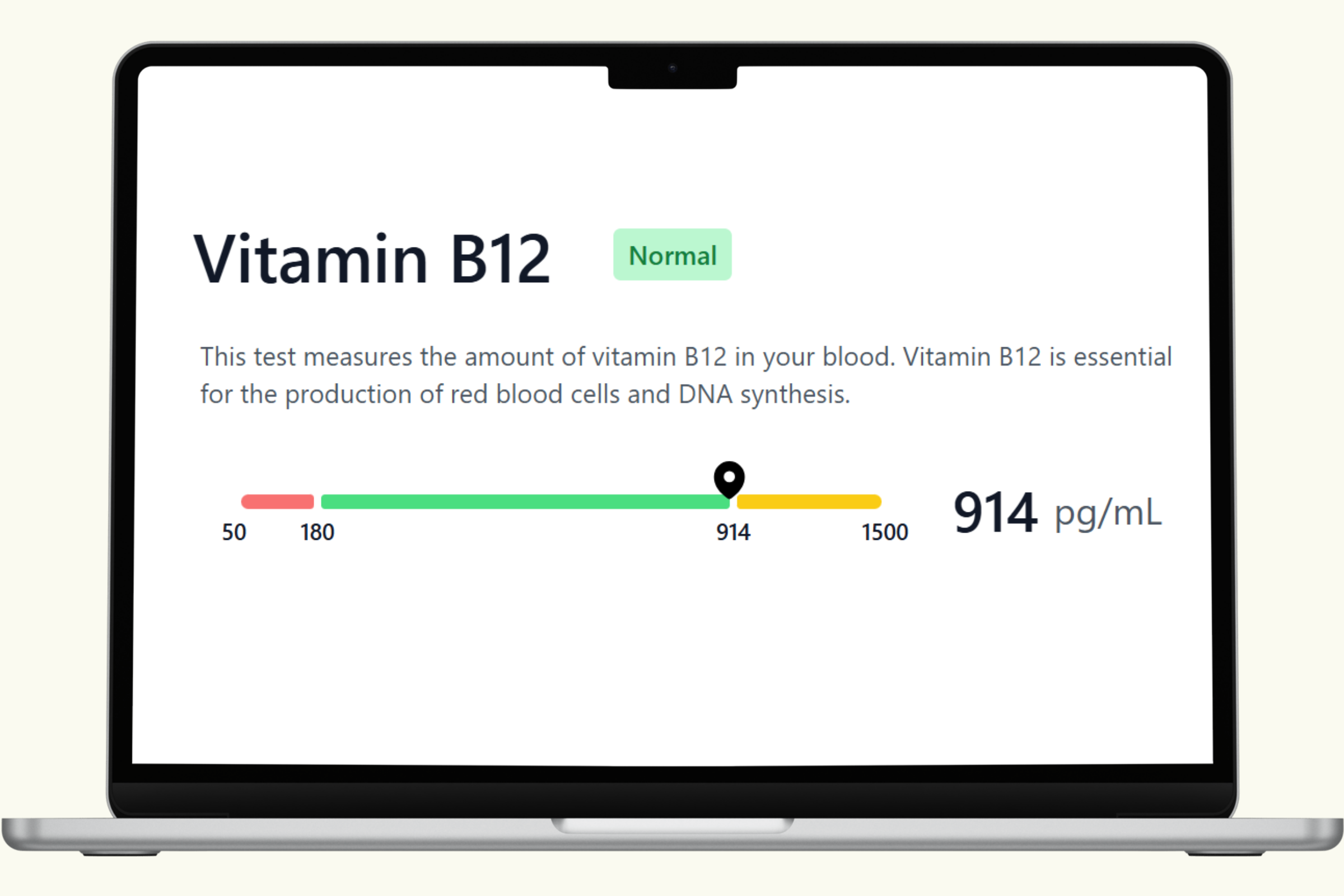
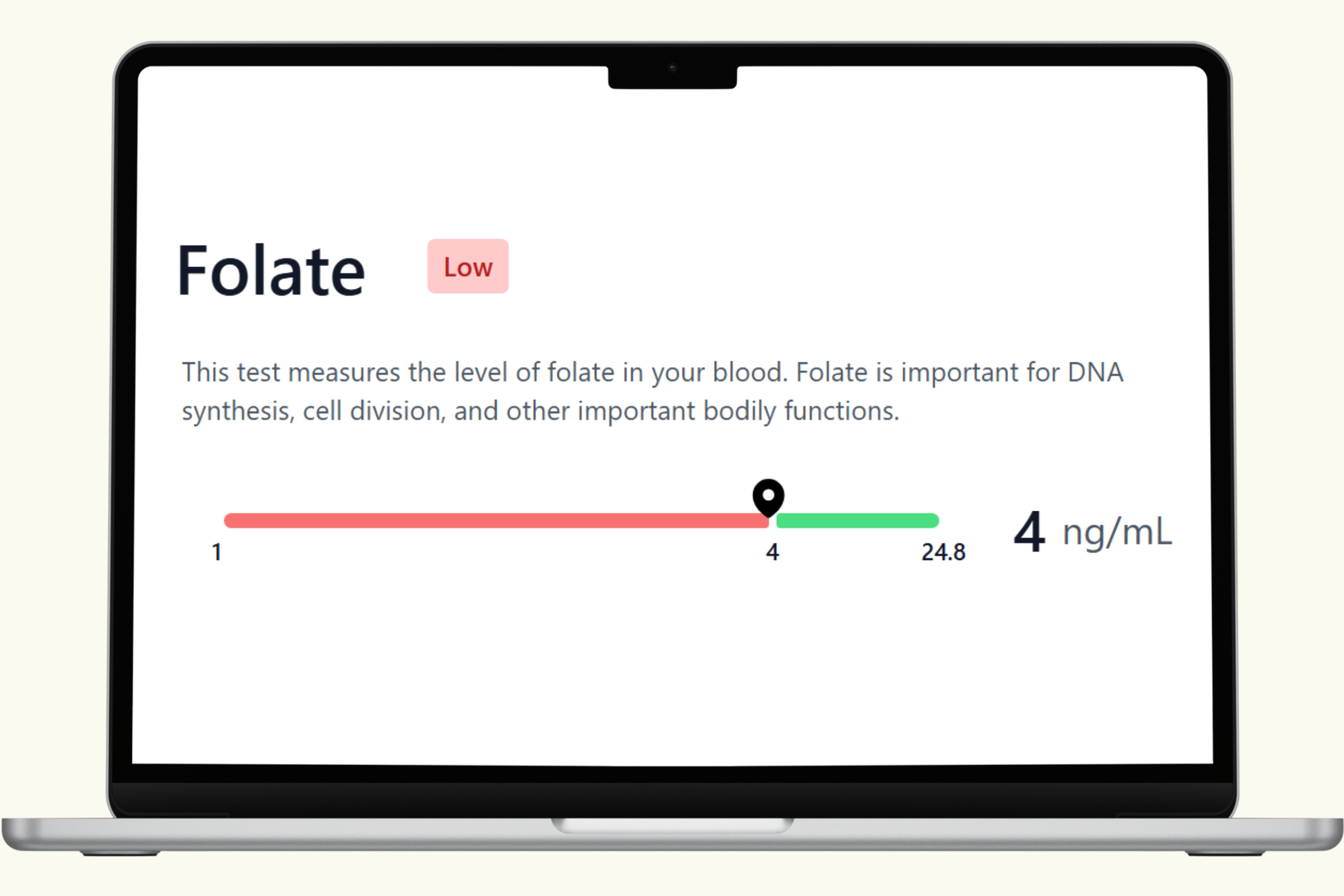
Blood testing reliably identifies deficiencies in Vitamin D (25-OH), Vitamin B12, folate (serum and RBC), iron (ferritin, serum iron, TIBC), RBC magnesium, zinc, and iodine. These are the most clinically prevalent micronutrient deficiencies in developed populations — and collectively the most treatable. Many present with non-specific symptoms like fatigue, hair loss, brain fog, and immune dysfunction before conventional screening would identify them.

Why is ferritin a more useful iron marker than serum iron?

Serum iron fluctuates throughout the day and with recent meals and stress, making it unreliable alone. Ferritin measures iron stored in tissues over time. Low ferritin is the earliest sign of iron depletion, often present months before serum iron drops and anemia develops. For women experiencing fatigue, hair loss, or reduced exercise tolerance, low ferritin is a common and frequently missed finding on standard wellness panels.

What is the optimal Vitamin D level and why does it differ from the deficiency threshold?

Clinical deficiency is defined as 25-OH Vitamin D below 20 ng/mL, with insufficiency at 20–29 ng/mL. However, functional health research consistently associates optimal outcomes — including immune function, bone density, mood, and cardiovascular health — with levels of 40–60 ng/mL. The clinical threshold identifies frank deficiency; the optimal range reflects levels associated with best health outcomes in well-designed intervention and observational studies.

Why is magnesium deficiency often missed on standard blood panels?

Standard panels measure serum magnesium, but only 1% of total body magnesium circulates in blood. The body regulates serum levels by drawing from bone and intracellular stores, so serum levels can appear normal when cellular stores are depleted. RBC magnesium measures intracellular levels more accurately. Given magnesium's role in 300+ enzymatic reactions — energy, muscle function, and sleep — subclinical deficiency has meaningful clinical impact.

How does zinc deficiency affect immune function and wound healing?

Zinc is essential for immune cell development, inflammatory regulation, wound healing, protein synthesis, and DNA repair. Deficiency impairs T-cell function, reduces natural killer cell activity, and prolongs healing — presenting as recurrent infections, slow recovery from illness, and taste or smell changes. Zinc status is assessed through fasting plasma or serum zinc. Deficiency is common in older adults, vegetarians, those with inflammatory bowel disease, and individuals with high alcohol intake.