Frequently Asked Questions

What blood biomarkers measure methylation cycle function?

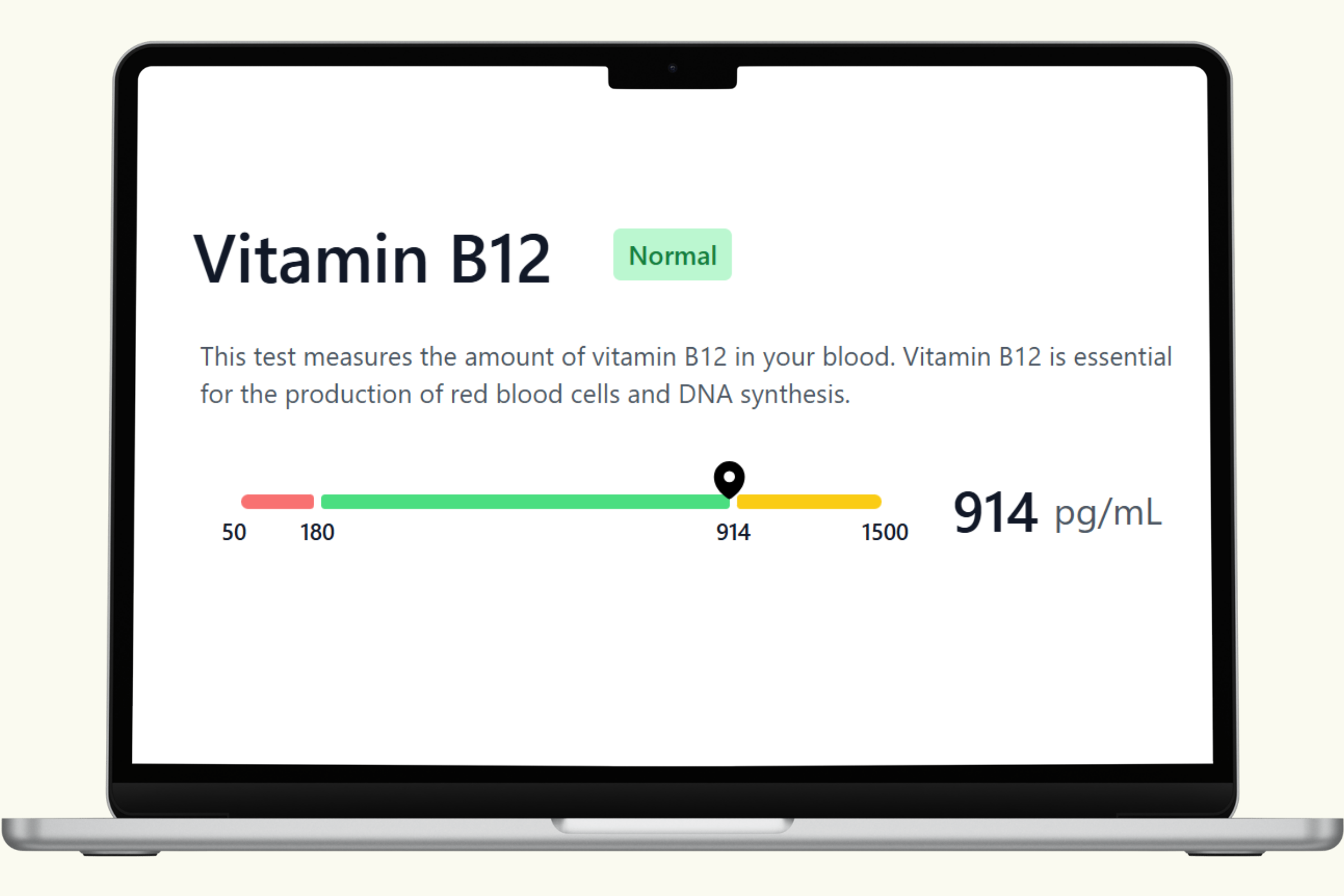
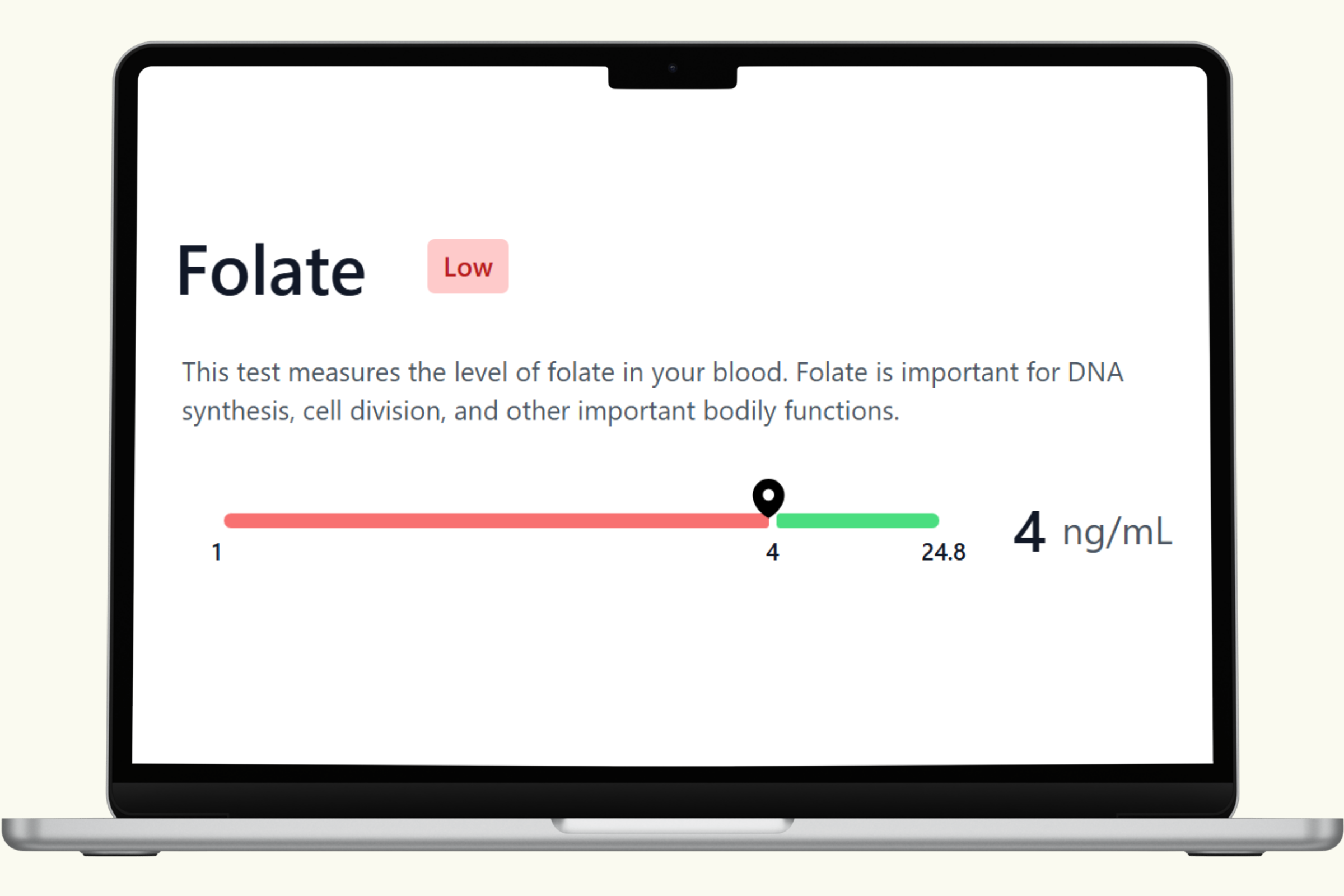
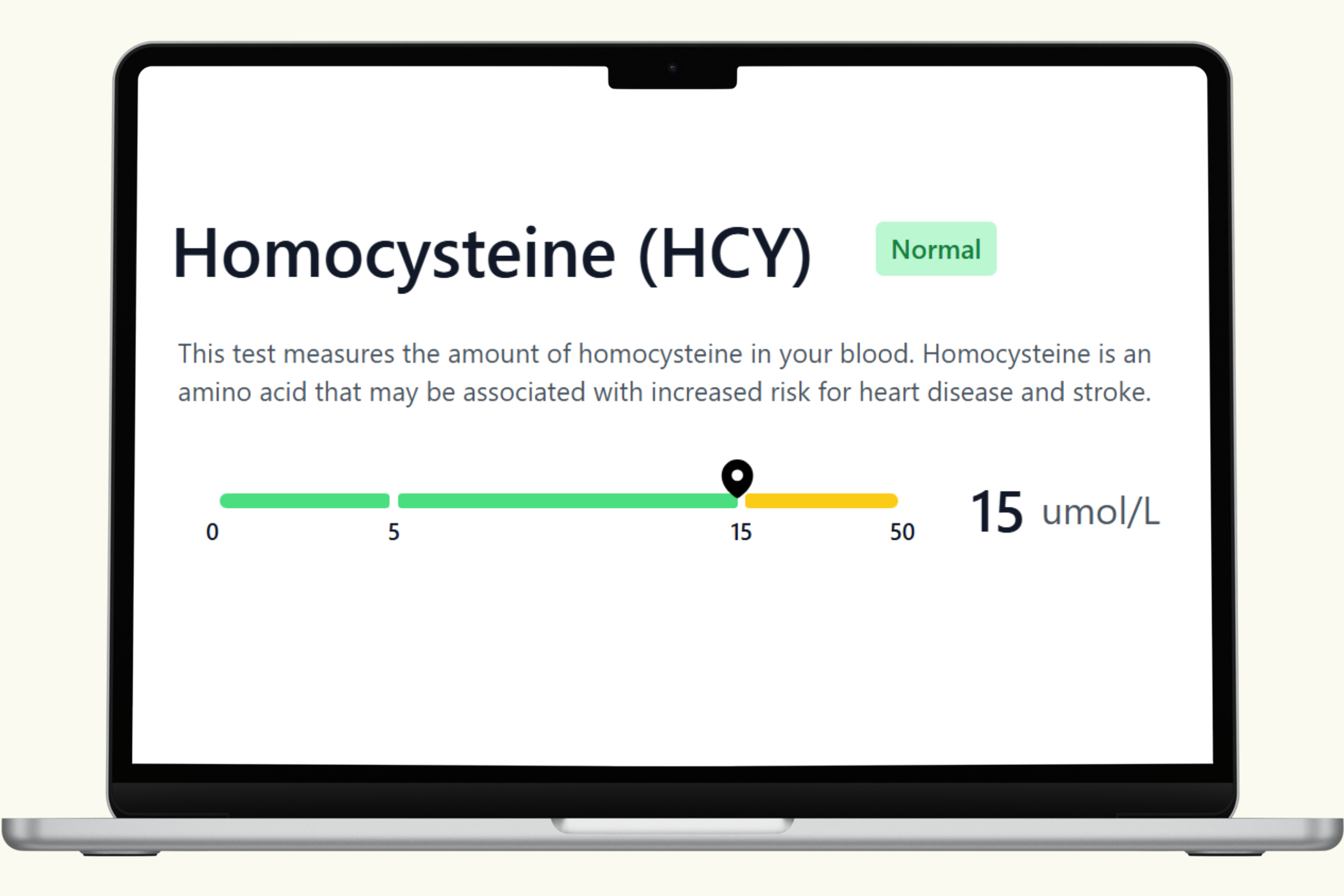
The methylation cycle is assessed through several blood markers. Homocysteine is the primary functional marker — elevated levels indicate impaired methylation regardless of cause. Serum folate and RBC folate measure folate status at different timeframes. B12 and methylmalonic acid (MMA) assess B12 adequacy and cellular utilization. Together these markers show how your methylation cycle is actually performing, complementing the predisposition data from genetic variant testing.

Why is homocysteine the central methylation blood marker?

Homocysteine accumulates when the methylation cycle cannot convert it back to methionine — due to MTHFR variants, B12 insufficiency, folate deficiency, or B6 inadequacy. Elevated homocysteine is a functional signal of methylation impairment regardless of upstream cause. Levels above 10–15 micromol/L are associated with cardiovascular disease, cognitive decline, bone loss, and pregnancy complications, making it one of the most actionable blood markers to monitor and correct.

What is the difference between serum B12 and active B12?

Serum B12 measures total circulating B12 — including inactive forms bound to haptocorrin that cannot enter cells. Many individuals with "normal" serum B12 have functionally insufficient active B12, particularly those on plant-based diets, over age 60, or taking proton pump inhibitors. Methylmalonic acid (MMA) is a more sensitive functional marker — elevated MMA indicates cellular B12 insufficiency even when serum B12 appears adequate.

What is the difference between serum folate and RBC folate?

Serum folate reflects recent dietary intake and can appear normal after a single folate-rich meal despite chronic insufficiency. RBC folate reflects folate status over the preceding 2–3 months — red blood cells accumulate folate during formation and retain it for their lifespan. RBC folate is the preferred marker for assessing true tissue folate status and is more relevant to methylation function, pregnancy risk, and supplementation response.

Can methylation blood markers identify the cause of fatigue?

Methylation dysfunction is a biologically plausible cause of persistent fatigue with measurable blood markers. Elevated homocysteine, low active B12, and low RBC folate indicate impaired methylation affecting energy metabolism, mitochondrial function, and neurotransmitter production. These markers provide actionable targets — correcting B12 and folate insufficiency and reducing homocysteine through targeted supplementation is associated with meaningful energy improvements in individuals with documented deficiencies.