
Nutrigenomics for Athletes: Boosting Performance with Personalized Nutrition
- 16 MIN READ
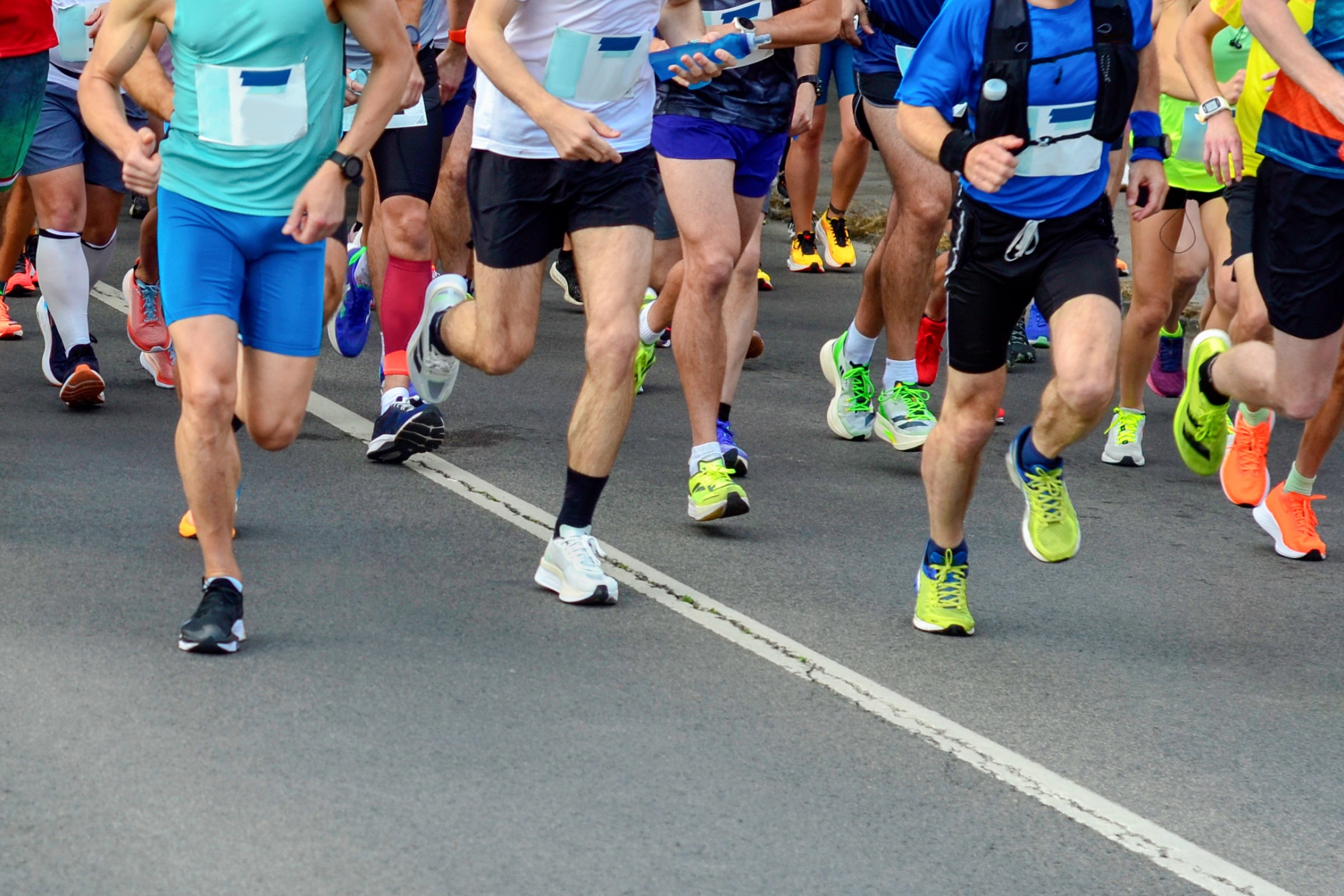
Nutrigenomics — the study of how inherited variation interacts with diet — has produced some genuinely well-replicated findings in sport, and a much larger volume of commercial panels whose clinical utility has not been demonstrated. The best-characterised example is ACTN3: a 2003 study in the American Journal of Human Genetics reported that alpha-actinin-3 is absent in 18% of healthy white individuals because of a common stop-codon polymorphism, and that elite sprint athletes of both sexes had significantly higher frequencies of the 577R allele than controls. That is a real association. It is not a training plan.
Alpha-actinin-3 is a skeletal-muscle actin-binding protein expressed specifically in fast-twitch myofibers, the fibres responsible for generating force at high velocity. Absence of the protein does not cause disease, likely because the homologous protein alpha-actinin-2 compensates.
The 2003 study found highly significant associations with athletic performance: elite sprint athletes of both sexes carried the 577R allele more frequently than controls. Among female athletes there were higher than expected numbers of 577RX heterozygotes in the sprint group and lower than expected numbers in the endurance group; no similar effect appeared in males.
The authors interpreted this as evidence that alpha-actinin-3 benefits forceful contraction at high velocity, and suggested the polymorphism may have been maintained in the population by balancing natural selection. Note the frame: population frequencies among elite athletes, not prediction of any individual's ceiling.
A frequency difference between elite athletes and controls tells you something about populations. It does not tell an individual whether to train for speed or endurance, because the overlap between groups is enormous — most people carrying the "sprint-associated" allele are not sprinters, and elite endurance athletes carry it too.
Effect sizes for single variants on complex performance traits are small relative to training history, recovery, nutrition, sleep, coaching, injury history and motivation. Those inputs are also modifiable, which the genome is not.
Commercial panels frequently package many such associations into confident-sounding recommendations. The associations may be real individually while the resulting advice remains unvalidated as a package.
The International Society of Sports Nutrition position stand reports that caffeine consistently improves exercise performance at 3 to 6 mg per kilogram of body mass, that aerobic endurance shows the most consistent moderate-to-large benefits, and that benefits appear in both trained and untrained individuals.
It also states that inter-individual differences in performance response, and adverse effects on sleep or feelings of anxiety following caffeine ingestion, may be attributed to genetic variation associated with caffeine metabolism — mediated largely by the liver enzyme CYP1A2.
Even here, the practical guidance is empirical. The position stand notes that very high doses such as 9 mg/kg carry a high incidence of side effects without appearing necessary, and that optimal timing depends on the caffeine source. Trialling in training rather than on competition day is the standard approach, and it does not require a test.
Lactose tolerance is the cleanest nutrigenomic trait in humans, driven by a regulatory element near the LCT gene that determines whether lactase production persists into adulthood. For an athlete relying on dairy for protein, that is a practical consideration.
Iron metabolism disorders such as hereditary hemochromatosis are clinically important and inherited, and they change how iron supplementation should be approached. That is a medical question for a clinician, not a performance-optimisation one.
Coeliac disease has a strong inherited component and requires specific diagnostic evaluation while gluten is still in the diet. Athletes who remove gluten before testing make accurate diagnosis considerably harder.
Total energy availability first. Under-fuelling relative to training load impairs adaptation, bone health, endocrine function and immunity regardless of any inherited variation, and it is one of the most common problems in endurance sport.
Then protein adequacy distributed across the day, carbohydrate availability matched to session demands, hydration, and sleep. The NIH Office of Dietary Supplements maintains an evidence review of supplements for exercise and athletic performance that is considerably more sober than most marketing.
Supplement contamination is a real risk for tested athletes, since dietary supplements are not approved by the FDA for safety and effectiveness before marketing. Third-party certification programmes exist for exactly this reason.
Treat it as context rather than instruction. An inherited tendency is one input among many, and it does not determine, optimise or predict how you will respond to a training block or a nutrition strategy.
Ask what decision a result would change. If a panel would tell you to trial caffeine carefully, eat adequate protein and monitor your sleep — all of which are advisable regardless — it has not added information.
And route medical findings to a clinician. Iron overload, coeliac disease and lipid disorders are health matters before they are performance matters, and a sports nutrition panel is not the right venue for diagnosing any of them.
Not everyone responds to GLP-1 medications the same way. Genetic variants — including GIPR rs1800437, FTO rs9939609, and MC4R rs17782313 — relate to the biological pathways these medications act on. These are pathway-level associations only and do not predict how much weight you will lose or how you will respond to any specific medication. PlexusDx maps 14 pathways, 49 peptides, and 150+ genetic insights so you and your provider can see how your genes relate to these pathways. It does not recommend, prescribe, or determine which medication, dose, or peptide is right for you. The PlexusDx Precision Peptide Genetic Test ($298) gives you and your provider pathway-level genetic context to support a more personalized conversation. Genetics is a guide, not a guarantee.
PlexusDx offers seven prescription GLP-1 protocols to all 50 states — no membership, no insurance required, async intake or live consult. The Tirzepatide Oral is $349/mo month-to-month, or from $279/mo on the 6-month plan. Medications are dispensed from licensed 503A compounding pharmacies following strict quality and safety standards. Add a Precision Peptide Genetic Test for $298 to personalize your protocol from day one.
No. The 2003 study reported that elite sprint athletes of both sexes had significantly higher frequencies of the 577R allele than controls, and that alpha-actinin-3 is absent in 18% of healthy white individuals. Those are population frequency differences with enormous overlap between groups. Training history, recovery, coaching and injury history influence individual performance far more.
The underlying associations can be real while the packaged recommendations remain unvalidated. Effect sizes for single variants on complex performance traits are small relative to training, sleep, nutrition and recovery — all of which are modifiable. Ask what specific decision a result would change; if the advice is sensible regardless, the test has not added information.
The International Society of Sports Nutrition position stand notes that inter-individual differences in performance response, and adverse effects on sleep or anxiety after caffeine, may be attributed to genetic variation associated with caffeine metabolism, mediated largely by the liver enzyme CYP1A2. Practical guidance remains empirical: trial doses in training, not on competition day.
The ISSN position stand reports consistent performance improvement at 3 to 6 mg per kilogram of body mass, with minimal effective doses possibly as low as 2 mg/kg. Very high doses such as 9 mg/kg are associated with a high incidence of side effects and do not appear necessary. Timing is commonly 60 minutes pre-exercise, though this depends on the caffeine source.
Total energy availability relative to training load, protein adequacy distributed across the day, carbohydrate availability matched to session demands, hydration and sleep. The NIH Office of Dietary Supplements maintains an evidence review on supplements for exercise performance. Supplement contamination is also a genuine risk, since supplements are not FDA-approved for safety and effectiveness before marketing.
Medical and Editorial Standards
Medical review process: This article was reviewed for medical accuracy, scientific clarity, evidence alignment, and appropriate discussion of genetics, medications, supplements, biomarkers, and health-related claims.
Sources and evidence: PlexusDx educational content is developed using peer-reviewed research, clinical literature, reputable medical references, and, where applicable, public health or regulatory guidance.
Commercial transparency: PlexusDx offers genetic testing, blood biomarker testing, personalized supplement recommendations, and related precision wellness services. Product mentions are intended to help readers understand available options and should not be interpreted as medical advice.
Important disclaimer: PlexusDx educational content is for informational purposes only and should not be used as a substitute for professional medical advice, diagnosis, or treatment. Always consult a qualified healthcare provider before making decisions about medications, supplements, genetic testing, lab testing, or health-related care.

PlexusDx is LegitScript certified.
LegitScript is an independent group that reviews health companies. Tap the seal to check our status yourself.
Share:
How Genetic Testing Can Enhance Mental Health Treatment Plans
Steps to Get Started with PGx and NGx Testing at Home: Understanding and Making Informed Health Changes