



Use the Power of Genetics to Take Control of Your Methylation, Detox, and Nutrition

With countless wellness options, finding what truly works for your body can be overwhelming. Precision Wellness Tests provide a personalized roadmap by analyzing how your unique genetics impact key health areas. These insights empower you to make informed decisions aligned with your goals—because health isn’t just about the genetic cards you’re dealt; it’s how you play them.

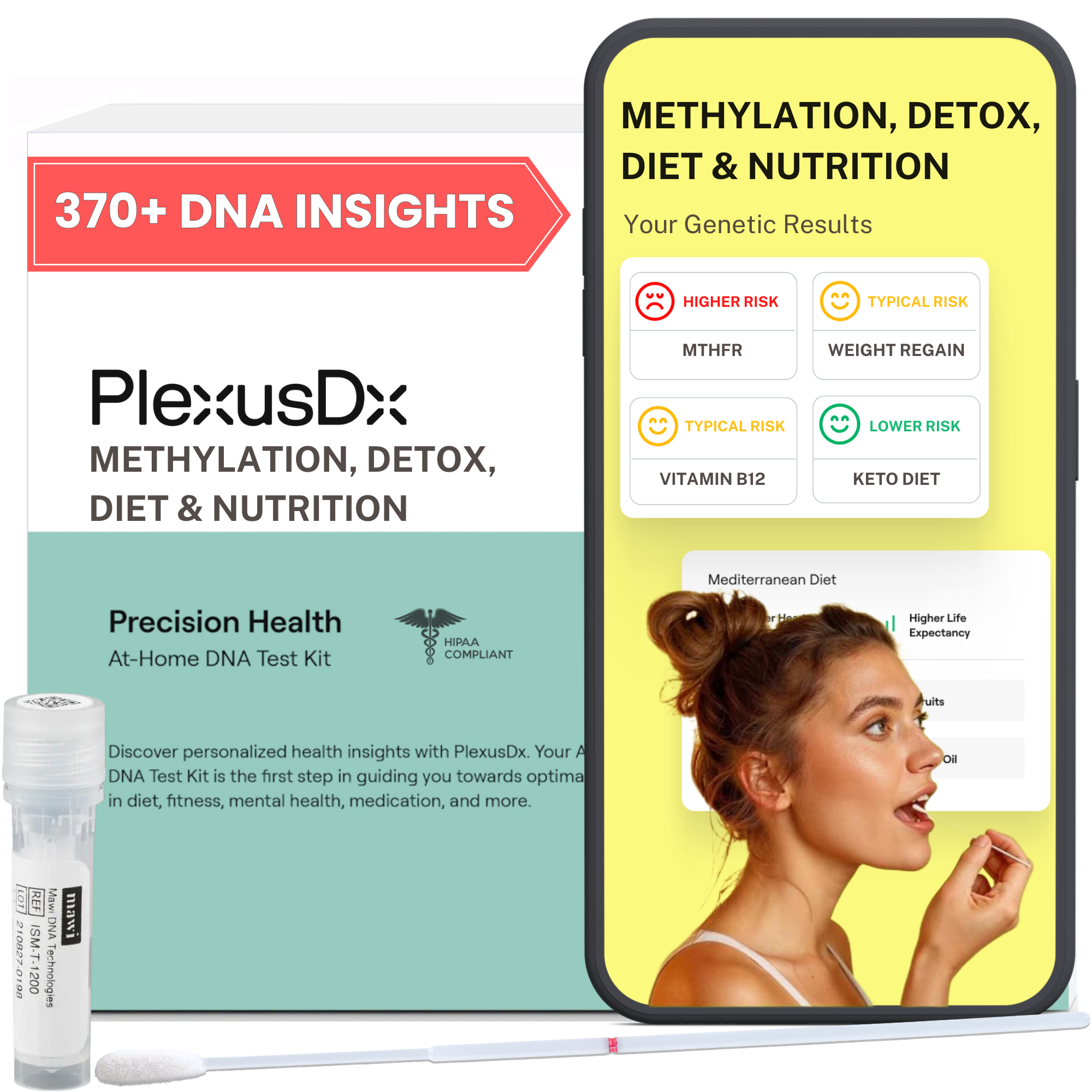
370+ DNA reports including MTHFR, COMT, BHMT, Weight Loss, Diet, Nutrition, and Folate Metabolism

The Methylation & Detox (expanded edition) Genetic Test offers a personalized approach to managing your health by examining the unique genetic factors that influence your metabolism, methylation, and overall nutritional needs. This test combines insights into the genetics of diet and nutrition, providing tailored food recommendations that support overall wellness. By revealing genetic influences on metabolic health, it offers actionable advice to help maintain balance in weight and blood sugar control. Additionally, the test explores how your body processes and distributes weight and fat, with customized strategies for effective weight management. With specific insights into blood sugar regulation and metabolism, this expanded edition test delivers a comprehensive toolkit to support you in managing your health and maintaining a balanced, health-conscious lifestyle.

Your Methylation & Detoxification (expanded edition) Genetic Test comes with evidence-based, actionable, and personalized supplement and meal plan recommendations including over 10,000 recipes.

  • WHAT YOU GET: 370+ personalized genetic reports and recommendations related to Methylation, Detoxification, Glucose, Insulin, HbA1c, Vitamins, Minerals and much more
  • WHY PRECISION HEALTH? Precision Health tailors wellness solutions targeting areas like Weight Management, Diet, Methylation Pathways and more based on your unique DNA
  • HOW DOES IT WORK? Once you've opened your kit, register by following the instructions inside. Then, collect your sample and mail it back to us using the prepaid return mailer.
  • ACTIONABLE REPORTS: Practical reports for improving your overall wellness, including insights for Blood Sugar, Folate Cycle, Keto Diet, Supplements, Diet and Lifestyle Recommendations
  • TARGETED INSIGHTS: Tailor your diet, supplements, and lifestyle to your genetic makeup for optimal health and performance.
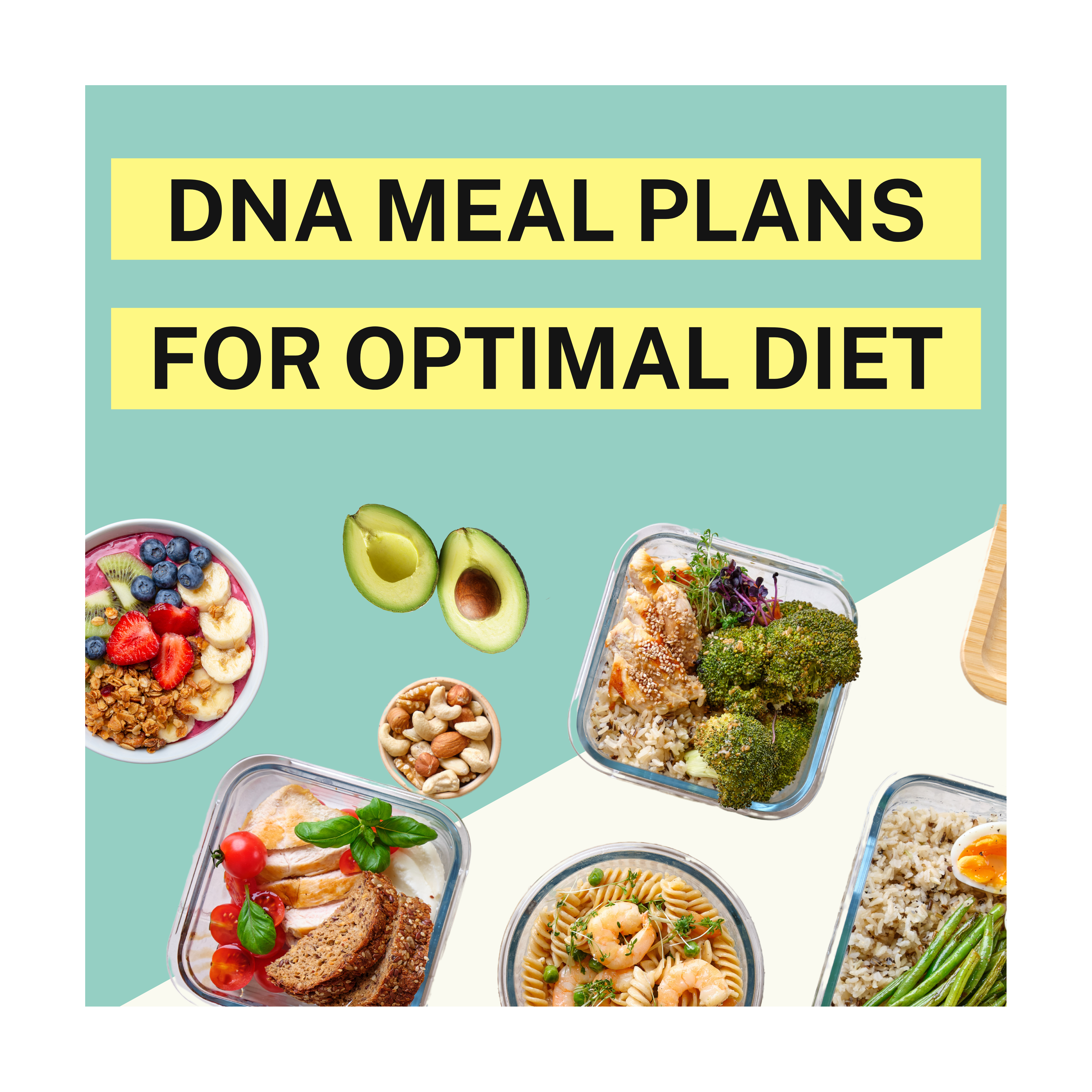
  • CUSTOM MEAL PLANS: Discover which foods and meal plans you should be eating based on your genetics. Identify optimal intake of macros, vitamins, and minerals. Includes over 10,000 recipes.
  • ADVANCED DNA TESTING: Get comprehensive reports with personalized diet, supplement, and lifestyle recommendations to achieve your health goals. Analysis of over 200 million genetic variants.
  • YOUR PRIVACY MATTERS: Your privacy is our priority. We use HIPAA compliant security and advanced encryption, ensuring your personal information is always protected.
  • One test for the rest of your life

    Personalized, actionable advice

    Achieve your health goals faster

    Optimize your diet, vitamins, and lifestyle

    Make Targeted Changes Based on Your DNA

    With personalized dietary, supplement, and lifestyle suggestions, you will understand why specific health recommendations are right for your body and tailored to meet your current health needs. Our recommendations are crafted based on your genetic profile because there is no such thing as one-size-fits-all.

    50 %
    of adults in the U.S. have at least one chronic health condition, many of which are impacted by genetic factors.1
    80 %
    of Americans have nutrient deficiencies, which can impact everything from cognitive function to immunity and metabolic health.2
    25 %
    of U.S. adults are affected by mental health conditions, where genetic predispositions play a key role in conditions such as anxiety, depression, and stress management.3

    How It Works

    Discover lifelong insights from one test.

    Order

    Select your test and purchase directly online. 3-5 days later, your kit will arrive at your door.

    Swab

    Follow the instructions included in your kit to ensure you collect an effective sample.

    Results

    Send your completed DNA specimen back and receive your personalized results.

    From Sofa to Science

    Experience the convenience of Precision Wellness right from your home. Just follow the simple steps included with your kit, and soon your detailed report will arrive at your doorstep.

    Your Kit Contains:

    1x INSTRUCTIONS & REGISTRATION CODE
    1x CHEEK SWAB & TRANSPORT TUBE
    1x BIOHAZARD BAG
    1x PREPAID RETURN MAILER

    Methylation & Detox Genetic Test

    The following questions are specific to the PlexusDx Methylation & Detox Genetic Test (Expanded Edition)

    What is the PlexusDx Methylation & Detox Genetic Test (Expanded Edition) and what reports are included?

    The PlexusDx Methylation & Detox Genetic Test (Expanded Edition) is an advanced DNA test that analyzes genetic variants to generate 370+ personalized reports for Methylation, Detoxification, Diet, Nutrition, and Weight Loss. The reports examine key genes like MTHFR, COMT, BHMT, AHCY, MTR, and MTRR that influence detoxification, methylation, nutrition, and overall wellness. Gain a deeper understanding of your genetic makeup and how it affects your body's ability to metabolize nutrients, detoxify, and maintain optimal health with the PlexusDx Methylation & Detox Genetic Test (Expanded Edition).

    What is included in the Methylation Pathway genetic report?

    Methylation is one of your body’s most essential behind-the-scenes systems, steadily supporting daily functions such as energy production, balanced brain chemistry, detox processes, cellular repair, and healthy aging. The PlexusDx Methylation Pathways panel examines the key genetic pathways that determine how effectively you make, recycle, and use methyl groups, which are the small biochemical switches your body depends on. It also highlights where targeted nutrition and lifestyle strategies may offer the most benefit.

    Core methylation cycles: the foundation of cellular function

    This section begins with the two primary centers of methylation:

    Folate cycle: Helps convert folate into active forms your body uses for DNA building, DNA repair, and methylation. Genetic differences in this cycle can influence methylation efficiency and may change which folate forms are most helpful in diet and supplement plans.

    Methionine cycle: Supports the production and recycling of SAMe, the body’s main methyl donor. This cycle affects methylation capacity, neurotransmitter balance, and how your body manages homocysteine.

    Together, these cycles shape how smoothly your body handles core maintenance tasks, especially during stress, poor sleep, intense training, or nutrient shortfalls.

    Pathways that link methylation with detox, antioxidant defense, and recovery

    Methylation works in coordination with other pathways that can strongly influence how you feel:

    Transsulfuration: Connects methylation with sulfur metabolism and plays a key role in producing glutathione precursors. This may affect antioxidant capacity, inflammation balance, and recovery from oxidative stress.

    Glutathione redox cycle: Assesses how efficiently your body may recycle glutathione, often called the master antioxidant, which supports cellular protection and resilience.

    Formate metabolism: Supports one-carbon metabolism, which is closely tied to methylation and DNA synthesis.

    These genetic insights can help explain why two people may eat similarly yet experience very different levels of stamina, recovery, and sensitivity to stressors.

    Brain and mood-related methylation: focus, calm, and sensitivity

    The panel also includes methylation pathways that directly relate to brain chemistry and nervous system balance:

    BH4 cycle: BH4 is a crucial cofactor for making neurotransmitters such as dopamine, serotonin, and norepinephrine, and it also supports nitric oxide signaling. Genetic differences here may relate to mood, focus, stress response, and overall neurological drive.

    Neurotransmitter methylation: Evaluates how your body may methylate and break down neurotransmitters, which can influence mental clarity, emotional steadiness, and stress responsiveness.

    Histamine degradation: Offers insight into histamine sensitivity patterns that may show up as headaches, flushing, congestion, skin reactivity, sleep disruption, or a wired-but-tired feeling for some people.

    Nitrogen balance and cellular growth pathways

    Two additional systems help complete the methylation picture:

    Urea cycle: Helps clear ammonia and maintain nitrogen balance, which matters for protein metabolism, exercise recovery, and cognitive clarity.

    Polyamine cycle: Polyamines support cell growth, repair, and healthy aging. Genetic differences in this pathway may affect how your body manages cellular turnover and resilience.

    Methylation cofactors: identifying the nutrients that matter most for you

    Genes may set the baseline, but nutrients can meaningfully influence performance. This panel includes genetic insights related to methylation cofactors your body relies on, including:

    • Betaine and choline, including the choline oxidation pathway, to support methyl donor production and one-carbon metabolism
    • Folate and vitamin B12 to support folate activation and methylation recycling
    • Vitamin B6 and riboflavin, also called B2, to support key enzyme steps across methylation and transsulfuration
    • Vitamin C, selenium, and zinc to support antioxidant systems and enzyme function
    • Magnesium and iron to support broad metabolic function and cofactor needs
    • Methionine, an amino acid input, to support SAMe production
    • NAC, also called N-acetylcysteine, to support glutathione building tied to antioxidant capacity

    Rather than generic suggestions, these insights help you focus on the nutrients and habits most likely to make a meaningful difference, so your plan feels more personal and less like trial and error.

    What you get from this panel

    With the Methylation Pathways panel, you can see where your biology may be naturally efficient, where extra support may help, and which diet and supplement strategies are most relevant for you. The goal is to turn complex biochemistry into practical, consumer-friendly guidance that supports smarter decisions around energy, mood, detox support, and long-term wellness.

    What is included in the Detoxification genetic report?

    Detoxification is your body’s built-in cleanup system, helping you process everyday exposures from food, air, water, personal care products, and lifestyle factors. The PlexusDx Detoxification panel examines genetic pathways that shape how efficiently you activate, neutralize, and eliminate common toxins, and how resilient your body may be to oxidative stress, which is the gradual wear-and-tear effect of stress, inflammation, and environmental burden. The purpose is straightforward: help you make smarter choices and personalize support in a way that aligns with your biology.

    The detox two-step: Phase 1 and Phase 2 clearance

    Detoxification is not a single pathway. It is a coordinated process:

    Phase 1 detox: Enzymes convert toxins into intermediate forms so they can be processed further. Some people have faster Phase 1 activity, which can create more reactive byproducts if Phase 2 clearance and antioxidant defenses are not keeping pace.

    Phase 2 detox: This is the neutralization and packaging step, where compounds are made more water-soluble so they can be eliminated through bile, urine, and sweat.

    Overall balance: Your genetics can influence whether your detox system leans more toward activation or more toward clearance. That balance can affect how you feel with exposures, including symptoms such as headaches, fatigue, brain fog, nausea, skin issues, or heightened sensitivity to smells and chemicals.

    This panel helps clarify whether you may benefit most from supporting clearance, reducing exposure, or strengthening antioxidant capacity.

    Oxidative stress and antioxidant defenses

    Many detox pathways produce reactive compounds that need to be neutralized. That is why this report also evaluates genetic tendencies related to:

    Oxidative stress: How strongly you may be affected by environmental stressors, inflammation, intense exercise, poor sleep, or a higher toxin load.

    Antioxidant protection: How resilient your body may be in buffering oxidative damage, which is important for energy, recovery, skin health, and long-term wellness.

    If your genetics suggest lower antioxidant protection, small improvements in sleep, hydration, diet, and targeted nutrients may have an outsized impact.

    Real-world exposure sensitivities and detox pathways

    This panel includes genetic insights related to common exposures many people encounter regularly:

    Alcohol detoxification: How efficiently your body may process alcohol and its byproducts, which can help explain sensitivity, recovery time, and next-day effects.

    Nicotine detoxification: Genetic differences that may affect how your body processes nicotine exposure, including secondhand exposure.

    Mold exposure and fungal toxins: Susceptibility patterns related to indoor air quality and mycotoxin-like exposures that can influence how you feel in certain environments.

    Heavy metals: Includes genetic insights related to lead exposure, arsenic detoxification, and mercury detoxification. This can help explain why some people are more sensitive to lower-level exposure and may benefit more from exposure reduction and supportive habits.

    Chemical and pollutant sensitivities: modern environmental load

    Everyday products and environments can contribute to chemical exposure. This panel evaluates genetics related to processing and sensitivity to:

    • BPA detoxification and phthalate sensitivity, which are common in plastics and packaging
    • PBDE sensitivity, which relates to certain flame retardants found in some furniture and household dust
    • Benzene sensitivity and PAH sensitivity, which are linked to vehicle exhaust, smoke, and some high-heat cooking exposures
    • Glyphosate sensitivity patterns related to herbicide exposure
    • Organophosphate pesticides and pyrethroid detoxification, two common pesticide classes

    These insights do not indicate that you are exposed. They help identify where reducing exposure may be especially worthwhile for you.

    What you get from this panel

    The Detoxification report translates complex genetics into practical, consumer-friendly guidance that helps you:

    • Understand your Phase 1 and Phase 2 detox balance
    • Identify potential sensitivities related to chemicals, mold, heavy metals, and pesticides
    • Strengthen antioxidant defenses and improve resilience to oxidative stress
    • Make smarter choices in your environment, diet, and lifestyle to reduce symptoms and support daily well-being

    It is a clearer way to reduce guesswork and focus on detox strategies most likely to help your body function at its best.

    What is included in the Diet & Nutrition genetic report?

    Most nutrition advice is one size fits all. Your biology is not. The PlexusDx Diet and Nutrition panel turns your DNA into practical guidance on how you may respond to different foods, macronutrient patterns, and key nutrients, so you can make more informed choices for energy, body composition, heart health, digestion, and long-term wellness. The goal is to help you focus on what is most likely to work for you, rather than what happens to be popular.

    Macronutrients and diet-style fit

    Your genes can influence how you process carbohydrates, fats, and protein, and which eating patterns may be a better match for you:

    Carbohydrates and higher-carbohydrate patterns: Insights into how your body may handle carbohydrates and whether a higher-carbohydrate approach may be a better or worse fit.

    Fatty acids, lipid metabolism, and lower-fat patterns: Looks at fat handling, conversion, and metabolism, which can help you tailor both fat intake and fat quality.

    Higher-protein patterns: Helps clarify whether higher protein intake may better support satiety, lean mass goals, and overall metabolic outcomes.

    Keto-style patterns: Genetics related to fat-based fueling and lipid handling can help indicate whether a keto-style approach is more likely to feel supportive or more likely to be challenging.

    Mediterranean-style patterns: Evaluates genetic tendencies often associated with cardiometabolic response, which can be useful if you are aiming for sustainable, heart-supportive habits.

    Instead of choosing a diet based on headlines, this panel helps you select an approach that better aligns with your physiology.

    Heart and metabolic health: lipids, blood fats, and body composition signals

    This panel includes genetic insights tied to cardiometabolic markers and how your body may regulate fat storage and blood lipids:

    Cholesterol and triglycerides: Helps you understand tendencies related to lipid levels and how strongly diet may influence them.

    Adiponectin: A hormone-like signal linked to insulin sensitivity, fat metabolism, and metabolic resilience. Genetic variation here may influence how easily your body maintains metabolic flexibility.

    Homocysteine: Levels can be influenced by genetics and nutrient status, and homocysteine is often used as a marker connected to cardiovascular and overall metabolic health.

    These insights can support more targeted decisions around fats, fiber intake, weight goals, and nutrient priorities.

    Digestion and food tolerance: gut and comfort-focused guidance

    How you feel after eating matters. This panel includes genetic factors that can help guide choices for digestion and gut comfort:

    FODMAP-related patterns: Helps identify whether a low-FODMAP approach may be worth exploring for bloating, gas, abdominal discomfort, or irregular bowel patterns.

    Microbiome-related influences: Highlights genetic factors that may shape the gut environment and how your body may respond to dietary patterns that affect microbiome balance.

    This is not a diagnosis. It is a more informed starting point for choosing foods that support day-to-day comfort.

    Micronutrients that matter: vitamins, minerals, and performance nutrients

    Nutrient needs and nutrient utilization can vary. This panel helps you prioritize vitamins and minerals that may matter most for your genetics, including:

    Core vitamins: Vitamin A, vitamin C, vitamin D, vitamin K, vitamin B12, vitamin B6, riboflavin (B2), biotin (B7), and folate.

    Key minerals: Magnesium, zinc, selenium, iron, copper, manganese, calcium, sodium, phosphate, molybdenum, and choline, included for its major role in brain function, liver fat handling, and methylation support.

    Cellular energy and fitness-support nutrients: CoQ10 for mitochondrial energy support, creatine for strength, power, and brain energy support, carnitine for fat transport into mitochondria, and lycopene for antioxidant support.

    The report helps you move beyond a random supplement approach and focus on nutrients with the greatest potential return.

    Lifestyle nutrition insights you can apply

    The panel also covers everyday factors that can meaningfully affect how you feel:

    Caffeine: Helps you understand whether you are more likely to be caffeine sensitive, metabolize caffeine more slowly, or tolerate caffeine well, which can be useful for sleep quality and energy balance.

    Antioxidants: Genetic tendencies that may influence how much you benefit from antioxidant-rich foods such as colorful plants, polyphenol-rich foods, and supportive nutrients.

    What you get from this panel

    The Diet and Nutrition report helps you:

    • Choose a diet style, such as keto-style, Mediterranean-style, higher protein, lower fat, or higher carbohydrate, that is more likely to fit your biology
    • Prioritize vitamins, minerals, and performance nutrients your body may benefit from most
    • Support heart and metabolic health with more targeted nutrition choices
    • Improve digestion and daily energy while reducing food trial and error

    It is a clearer, more personalized roadmap for eating and supplementing with confidence.

    What is included in the Weight & Body Fat genetic report?

    Weight loss is more than calories in and calories out. Appetite signals, cravings, blood sugar response, and fat storage patterns can all be influenced by genetics. The PlexusDx Weight and Body Fat panel helps you identify the specific drivers that may make weight management easier or more difficult for you, so you can build a plan that works with your biology rather than pushing against it.

    This section focuses on three practical areas: appetite and behavior, blood sugar and cravings, and fat storage and body composition.

    1) Appetite, cravings, and eating behavior

    Many people struggle not because of motivation, but because their biology applies more pressure.

    Hunger: Genetic tendencies that can influence appetite intensity and how quickly you feel satisfied.

    Snacking: Predisposition toward frequent grazing or between-meal cravings, which can help guide meal timing strategies.

    Overeating: Patterns connected to portion control and how your brain responds to highly palatable foods.

    Emotional eating: Tendency to eat in response to stress, mood shifts, or fatigue, which can help you choose strategies that reduce trigger-driven eating.

    Sugar cravings: Genetic tendencies related to sweet cravings or a stronger reward response to sugar-rich foods.

    These insights help you choose tactics that match your appetite profile, such as higher-protein meals, structured meal timing, fiber targets, and intentional planning around trigger foods, so your routine feels more sustainable.

    2) Blood sugar and weight-loss resistance

    Blood sugar stability can strongly influence hunger, cravings, energy, and fat loss progress.

    Blood sugar: Genetic patterns tied to glucose control and how strongly blood sugar swings may contribute to cravings or energy crashes.

    Weight loss response: Insights into how your body may respond to common weight-loss approaches and where more precision may help, including macros, meal timing, activity, and recovery.

    Weight regain: Tendency to rebound after dieting, often linked to appetite signaling, metabolic adaptation, and food reward sensitivity.

    This section helps you prioritize strategies that support steadier energy and easier consistency, which is often the difference between short-term progress and long-term success.

    3) Fat storage patterns, body composition, and metabolic tendency

    Not all weight is the same. Where you store fat and how easily you build and maintain muscle can affect both health outcomes and how manageable fat loss feels.

    Fat distribution: Genetic tendencies related to storing fat more centrally versus more peripherally, which can be useful for cardiometabolic risk awareness and targeted lifestyle decisions.

    Fat sensitivity: How strongly your body may respond to dietary fat intake, which can help you fine-tune fat quality and quantity.

    Muscle mass: Genetic influences on muscle maintenance and development, which affects metabolic rate, glucose control, and overall ease of fat loss.

    This panel also includes broader genetic patterns tied to overall weight tendency:

    Body weight, body mass index, and obesity: Baseline predispositions that can influence how strongly you may need to prioritize habits such as protein intake, daily movement, resistance training, sleep quality, stress management, and your food environment.

    4) Nutrition levers that directly affect body fat outcomes

    Small dietary changes can have a bigger impact when they align with your genetics:

    Fiber: Genetic markers related to how strongly fiber may support fullness, blood sugar balance, and weight control for you.

    Monounsaturated fats and saturated fats: Insights into how your body may respond to different fat types, which can help you build a plan that supports satiety and metabolic health while staying aligned with your goals.

    What you get from the Weight and Body Fat panel

    This report helps you:

    • Identify your biggest weight-loss challenges, including hunger, sugar cravings, snacking, overeating, and emotional eating
    • Improve consistency using strategies that fit your appetite and food reward profile
    • Support steadier blood sugar for better energy and fewer cravings
    • Understand fat distribution and body composition tendencies so you can train and eat more effectively
    • Reduce the risk of weight regain by building a plan you can maintain

    It is a DNA-guided roadmap designed to make weight loss feel more predictable, less frustrating, and more sustainable.

    Orders

    Find questions related to ordering.

    Does my doctor need to order these tests?

    No. You can order the test directly.

    Can I order these tests for someone else?

    Yes. You can purchase a test for another person. They will need to activate their test kit on our website upon receipt. For minors, parental or guardian consent is required for activation.

    Once someone has successfully responded to PGx registration questions, PlexusDx's Clinician Network will order your test for you.

    How long does it take to receive my results?

    Once we receive your sample at the lab, it takes approximately 10-14 business days to complete the review and analysis for PGx tests and 2-4 weeks for NGx tests.

    Can I use FSA/HSA to cover these tests?

    Yes, the cost of each test is typically reimbursable through both Flexible Spending Accounts (FSA) and Health Savings Accounts (HSA).

    What is Flex and what is their relationship with PlexusDx?

    PlexusDx has partnered with Flex to allow you to use your Health Savings Account (HSA) or Flexible Spending Account (FSA). This means you can now use your HSA or FSA debit card to buy health and wellness tests with pre-tax dollars, resulting in net savings of 30-40%, depending on your tax bracket.

    How do I pay with my HSA or FSA card?

    To use your HSA or FSA debit card, add products to your cart as usual. At checkout, select "Flex | Pay with HSA/FSA" as your payment option, enter your HSA or FSA debit card, and complete your checkout as usual. If you don't see "Flex | Pay with HSA/FSA," you may be in Shop Pay. Select "checkout as guest" to view more payment options.

    What if I don't have my HSA/FSA card available?

    If you don't have your HSA or FSA card handy, still select "Flex | Pay with HSA/FSA" as your payment method. Enter your credit card information and Flex will email you an itemized receipt to submit for reimbursement.

    Why can't I see Flex as a payment method?

    The key here is to make sure you are logged out of Shop Pay. One of the easiest ways to do this is to go through checkout in an incognito window.

    Why is my HSA/FSA card being declined?

    HSA/FSA cards are debit cards, and the most common reason for declines is insufficient funds. Reach out to your HSA/FSA administrator to confirm your balance.

    I submitted my Flex itemized receipt for reimbursement and my FSA requires more information.
    Please forward us the request from your FSA, and we will work with the Flex team to issue you a new receipt.
    Help! I didn't receive an email from Flex with my itemized receipt and/or letter of medical necessity. What should I do?

    Please check your spam folder, as sometimes emails from notifications@withflex.com may be automatically filtered as spam by some email service providers. If you still can't find it, please email support@withflex.com and let them know the email address associated with your order.

    I would like to use multiple HSA/FSA cards to pay for an item. Can I do that?

    No, unfortunately, this isn't a supported feature right now. If there are insufficient funds in a single HSA or FSA account, you can instead enter a credit card on the Flex checkout page. You will receive an itemized receipt and/or Letter of Medical Necessity from Flex, which you can submit for reimbursement.

    Is sales tax covered by HSA/FSA funds, or is it treated separately?

    Sales tax for eligible items is also covered by HSA/FSA funds. If the customer has a split cart, the tax will be divided among the cards based on the items.

    My HSA/FSA Claim was denied. What should I do?

    We strongly recommend checking with your HSA/FSA provider to see if a purchase is eligible prior to completing the purchase. However, if you believe your claim has been wrongly denied, please send over any response from your HSA/FSA provider to us so we can share it with Flex and receive guidance on the next best steps to take. Please note that employer-sponsored FSAs can determine what products are eligible beyond the IRS's guidelines, so it's extremely important to check prior to purchase.

    Can a customer purchase a product now and apply for FSA reimbursement in the next calendar year?

    The ability to apply for FSA reimbursement in a future calendar year depends on the policy of the specific FSA provider. Most FSA administrators require that the purchase be made during the time of coverage. For example, if the FSA coverage is for 2025, all purchases typically need to be made and/or submitted for reimbursement within that coverage period. However, some administrators may have more flexible rules regarding the timing of when the expense occurred. We recommend that customers review their plan policy to confirm the details. Note: Health Savings Accounts (HSAs) are different and generally allow for reimbursement at any time, even in future years.

    Can old (non-Flex) customers use their order confirmation email to apply for HSA/FSA reimbursement?

    Unfortunately, for purchases made without using Flex in the checkout to receive an itemized receipt, it may be difficult to apply for reimbursement. For Health Savings Accounts (HSAs), consumers can use an itemized receipt for reimbursement anytime after they have made the purchase, even if it is many years later. For Flexible Spending Accounts (FSAs), most accounts require that the purchase was made in the calendar year during which the consumer had the FSA, as FSAs typically do not roll over. Some FSAs offer a buffer window, allowing customers additional time to submit receipts for expenses incurred during the previous calendar year.

    Can I speak to a live person?

    Customer Support is available 9am – 5pm EST Monday – Friday.

    877-760-2333

    support@tests.plexusdx.com

    Reporting & Results

    Below are common questions about the test results and reports.

    What is covered by the Precision Wellness Test reports?

    The PlexusDx Precision Wellness Tests cover over 1000 genetic reports related to your overall health. Here is a small sample...

    How you process macronutrients: 

    • Dietary protein
    • Dietary fats
    • Carbohydrates

    Choosing the right types of dietary fat:

    • Saturated fat
    • Omega-3
    • Unsaturated fat

    Getting enough vitamins:

    • Vitamin B6
    • Vitamin E
    • Vitamin D
    • Vitamin B12
    • Folate
    • Vitamin B2
    • Vitamin C
    • Vitamin A
    • Vitamin K

    Getting enough minerals:

    • Zinc
    • Magnesium
    • Iron
    • Potassium
    • Selenium
    • Calcium

    Improving your eating habits:

    • Tendency to overeat
    • Sugar cravings
    • Snacking 
    What steps should I take after getting my test results?

    Receiving your results marks a significant moment in your health journey. They serve as an insightful tool in managing your healthcare effectively. Should you have any inquiries about your results or if you're interested in obtaining clinical advice, please don't hesitate to contact us at results@plexusdx.com.

    Additionally, every client who completes our tests has the opportunity to be connected with either a Clinical Pharmacist or Registered Dietitian through the PlexusDx Network upon request.

    Does this test provide ancestry information?

    This DNA test doesn't offer ancestry details. It focuses solely on how your genes affect your response to specific medications.

    Can this test predict my disease risk?

    This DNA test isn't designed to assess your likelihood of developing diseases, including cancer.

    Privacy

    Below are questions about how we are committed to protecting your privacy and information.

    How does PlexusDx handle my DNA sample?

    Your genetic data is utilized solely for report processing, with no storage or use beyond this requirement. Rest assured, we promptly discard your sample after processing is complete.

    Will you share my data with my insurance or employer?

    No. Your data is for you, and you only.

    Blog Posts

    View all

    How do genetic factors affect anal fissure susceptibility and can testing help?
    • 3 MIN READ

    How do genetic factors affect anal fissure susceptibility and can testing help?

    PlexusDx offers genetic insights on anal fissures, focusing on prevention and management through personalized health tests. Genetic predispositions and lifestyle factors play a role in this painful condition, with tips on diet, hydration, and exercise for gut health. Visit PlexusDx for Precision Health & Wellness tests to empower your wellness journey.
    What are the genetic factors in IBD risk and management strategies?
    • 4 MIN READ

    What are the genetic factors in IBD risk and management strategies?

    Genetics play a significant role in Inflammatory Bowel Disease (IBD), influencing risk and severity. Personalized genetic testing can provide insights for managing IBD effectively.
    What are the genetic factors in HPV infection and risk assessment?
    • 4 MIN READ

    What are the genetic factors in HPV infection and risk assessment?

    HPV infection, caused by human papillomavirus, can lead to various conditions like warts and cervical cancer. Genetic factors play a significant role. Early detection and medical guidance are crucial for effective management. Consider Precision Health & Wellness tests for personalized insights.
    What are the genetic factors in hoarding tendencies and effective management?
    • 4 MIN READ

    What are the genetic factors in hoarding tendencies and effective management?

    Hoarding behavior, often misunderstood, can be influenced by genetic traits. Signs include clutter accumulation and difficulty discarding items. Seek therapy and adopt organizational strategies for management.
    What are the genetic factors affecting bone density and osteoporosis risk?
    • 4 MIN READ

    What are the genetic factors affecting bone density and osteoporosis risk?

    Reduced bone density, especially in older women, can lead to fractures and osteoporosis. Genetic factors play a significant role in bone health. Seek medical advice if osteoporosis is suspected.
    Symptoms and treatment for Pernicious Anemia due to Vitamin B12 deficiency?
    • 4 MIN READ

    Symptoms and treatment for Pernicious Anemia due to Vitamin B12 deficiency?

    Pernicious anemia is a genetic form of vitamin deficiency anemia caused by low B12 levels. Symptoms include fatigue, nerve issues, and heart problems. Treatment involves B12 supplements and monitoring.
    Symptoms and treatment for Bone Infection (Osteomyelitis)?
    • 3 MIN READ

    Symptoms and treatment for Bone Infection (Osteomyelitis)?

    PlexusDx offers personalized health reports on genetic traits like Bone Infection (osteomyelitis), emphasizing early detection, symptoms, diagnosis (imaging, blood tests, biopsies), and treatment (antibiotics, surgery). Understanding genetic risks can help optimize health.
    Symptoms and risks of Subarachnoid Hemorrhage (SAH)?
    • 4 MIN READ

    Symptoms and risks of Subarachnoid Hemorrhage (SAH)?

    Subarachnoid hemorrhage (SAH) is a life-threatening stroke caused by bleeding around the brain. Recognizing symptoms like severe headaches and seeking prompt medical attention is crucial for effective management. Genetic predispositions may play a role, and Precision Health & Wellness tests can provide valuable insights for personalized healthcare.
    What are the genetic factors in kidney failure and risk management?
    • 4 MIN READ

    What are the genetic factors in kidney failure and risk management?

    Kidney failure is a serious condition affecting kidney function. Genetic predispositions, signs/symptoms, and management strategies are crucial for early detection and effective treatment. Lifestyle changes and medical interventions are key to preserving kidney health and overall well-being.
